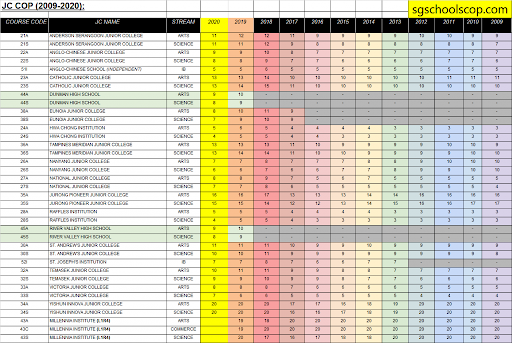

The ri cut off point plays a crucial role in determining student admissions into competitive institutions. It is the minimum score or ranking required to secure a seat in a specific course or program. Understanding this system is essential for students aiming to plan their academic future effectively.
In this guide, you will learn how the ri cut off point works, what factors influence it, and how you can use it to improve your chances of admission. Moreover, we will break down trends, calculation methods, and preparation strategies in a simple and practical way.
Whether you are applying for the first time or reapplying, this guide will help you make informed decisions with confidence.
Understanding Admission Benchmarks and Cut Off Systems
The admission benchmark system is designed to filter students based on academic performance and competition levels. The ri cut off point is one of the key indicators used to decide eligibility.
In most institutions, cut-off points are determined by a combination of exam scores, seat availability, and applicant demand. When demand is high, the cut-off naturally increases. However, in less competitive years, it may drop slightly.
Students often misunderstand cut-off points as fixed values. In reality, they change every year based on overall performance trends. Therefore, relying on previous years only gives an estimate, not a guarantee.
Understanding this system helps students set realistic expectations and choose backup options wisely. It also allows better subject and exam preparation planning.
In addition, many institutions publish expected ranges rather than exact numbers, helping applicants gauge their chances more effectively. This makes it important to study patterns rather than fixed values.
Factors Affecting Admission Score Requirements
Several important factors influence how the ri cut off point is determined each year. These factors are dynamic and change based on academic and institutional conditions.
Key influencing factors include:
- Number of applicants per program
- Overall exam difficulty level
- Availability of seats in institutions
- Performance distribution of students
- Institutional ranking and popularity
When more students apply for a limited number of seats, competition increases. As a result, the required score rises. On the other hand, if fewer candidates apply, the cut-off may decrease.
Exam difficulty also plays a major role. For example, if a test is considered difficult, average scores drop, which can lower the overall cut-off point.
Moreover, top-ranked institutions usually maintain higher thresholds due to demand. This creates a competitive environment where even small score differences matter significantly.
Understanding these factors allows students to predict possible changes and adjust their preparation strategies accordingly.
How Admission Cut Off Points Are Calculated
The calculation process behind the ri cut off point is based on statistical and merit-based systems. Institutions analyze applicant data and set thresholds accordingly.
Typically, the process involves:
- Collecting all applicant scores
- Ranking students from highest to lowest
- Determining available seats
- Selecting top-ranking candidates until seats are filled
Once this process is completed, the score of the last selected candidate becomes the cut-off point.
However, this is not the only method used. Some institutions also consider quotas, regional distribution, and reserved categories, which can slightly adjust final results.
For example, if 100 seats are available and 1000 students apply, only the top 100 students will be selected. The score of the 100th student becomes the benchmark.
This system ensures fairness while maintaining academic standards. It also helps institutions manage large volumes of applications efficiently.
Students should remember that this system is competitive and relative, not absolute.
Yearly Trends and Historical Analysis
Analyzing past trends of the ri cut off point can help students understand how competition evolves over time. In most cases, cut-off points gradually increase due to growing academic competition.
However, fluctuations are common depending on exam difficulty and applicant numbers. Some years may show a sudden drop, while others experience sharp increases.
For instance:
- Years with high exam difficulty often show lower cut-offs
- Years with easier exams show higher cut-offs
- Popular courses consistently maintain higher thresholds
Students should not rely solely on one year’s data. Instead, they should observe a range of 3–5 years to identify patterns.
This approach provides a more realistic expectation and helps in selecting suitable programs. Additionally, it reduces the risk of misjudging admission chances.
Historical analysis is also useful for identifying “safe score zones,” where students have a higher probability of selection.
Smart Preparation Strategy for Admission Success
A strong preparation plan can significantly improve your chances of meeting the ri cut off point. Instead of focusing only on scoring, students should adopt a strategic approach.
Effective strategies include:
- Setting target scores above previous cut-off trends
- Practicing past papers regularly
- Improving weak subject areas early
- Taking timed mock tests
- Tracking progress weekly
Additionally, students should always aim higher than the expected cut-off. This creates a safety margin in case of unexpected score increases.
Time management is another critical factor. Many students lose marks due to poor exam pacing rather than lack of knowledge.
Moreover, focusing on conceptual understanding rather than memorization helps improve long-term performance. This is especially useful in competitive exams.
Finally, maintaining consistency is key. Small daily improvements often lead to significant score gains over time.
Common Mistakes Students Should Avoid
Many students fail to meet the ri cut off point not because of lack of ability, but due to avoidable mistakes.
Common mistakes include:
- Ignoring previous year trends
- Relying on last-minute preparation
- Choosing unrealistic program preferences
- Poor time management during exams
- Not practicing under exam conditions
Avoiding these mistakes can significantly improve admission chances. Students should adopt a disciplined study routine and regularly evaluate their performance.
Another major mistake is not having backup options. Since cut-offs change every year, having alternative choices ensures better admission security.
Planning ahead is always better than reacting after results are announced.
Frequently Asked Questions (FAQs)
1. What is the ri cut off point?
It is the minimum score required to gain admission into a specific program or institution.
2. Does the ri cut off point change every year?
Yes, it changes based on demand, difficulty level, and available seats.
3. Can I get admission below the cut-off point?
In most cases, no. However, slight variations may occur in special categories or quotas.
4. How can I predict the ri cut off point?
You can analyze previous 3–5 years of data and consider exam difficulty trends.
5. What is the best way to prepare for it?
Focus on consistent study, mock tests, and aiming higher than past cut-off trends.
Conclusion
Understanding the ri cut off point is essential for students aiming for competitive admissions. It helps in setting realistic goals, choosing the right institutions, and planning effective preparation strategies.
Throughout this guide, we explored how cut-off points are calculated, what factors influence them, and how students can use historical data for better decision-making. We also discussed practical strategies to improve performance and avoid common mistakes.
The ri cut off point should not be seen as a barrier but as a benchmark to guide your preparation. With the right strategy, consistent effort, and smart planning, students can significantly improve their chances of success.
Start applying these insights today and build a focused preparation plan that aligns with your academic goals.