
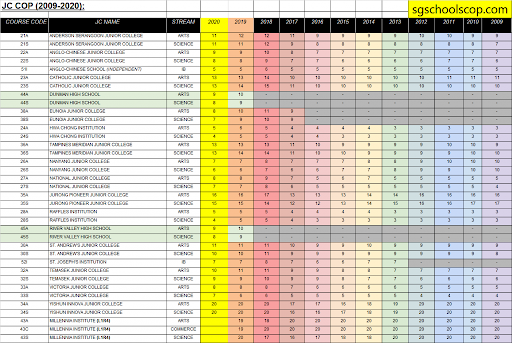
The ACSI cut off point plays a crucial role in determining student admission into various academic programs. It is one of the most important benchmarks used by institutions to evaluate eligibility based on academic performance and overall merit. Understanding how this system works can significantly improve a student’s chances of securing admission.
In this guide, you will learn what the ACSI cut off point means, how it is calculated, and what factors influence it. Moreover, you will discover practical strategies to improve your score and meet admission requirements successfully. Whether you are a student or a parent, this article provides clear and actionable insights.
Understanding ACSI Cut Off Point System
The ACSI cut off point refers to the minimum score required for admission into a specific academic program. It is used to filter applicants based on merit and available seats.
In simple terms, if your score meets or exceeds the cut-off, you are eligible for consideration. However, if your score is lower, admission becomes difficult.
The system is designed to ensure fairness and maintain academic standards. Different programs may have different cut off points depending on competition and demand.
For example:
- High-demand courses usually have higher cut off points
- Less competitive programs may have lower thresholds
The ACSI cut off point is not fixed permanently. It changes every year depending on student performance and institutional requirements.
Moreover, understanding this system helps students set realistic academic goals early. It also encourages better preparation and strategic subject selection.
In summary, the ACSI cut off point is a dynamic benchmark that reflects both academic competition and institutional capacity.
Factors That Influence ACSI Cut Off Point
Several important factors determine the ACSI cut off point, and understanding them can help students plan better.
1. Number of Applicants
When more students apply for a program, competition increases. As a result, the ACSI cut off point becomes higher.
2. Academic Performance Trends
If students in a particular year perform better overall, the cut off naturally rises.
3. Course Demand
Popular courses such as business, science, or technology often have higher cut off requirements.
4. Available Seats
Limited seat availability directly increases competition and raises the ACSI cut off point.
5. Institutional Policy Changes
Sometimes, schools adjust their admission criteria, which affects scoring thresholds.
Additionally, external academic reforms and grading systems can also influence cut off variations.
Therefore, students should never rely on previous year data alone. Instead, they should aim higher than the expected ACSI cut off point to stay safe.
How ACSI Cut Off Point is Calculated
The calculation of the ACSI cut off point is based on a structured evaluation system.
Generally, it includes:
- Academic grades from previous examinations
- Subject performance weightage
- Standardized test results (if applicable)
- Overall ranking among applicants
Each component contributes to the final admission score.
For example, core subjects may carry more weight than elective subjects. This ensures that students are evaluated fairly based on relevant academic strengths.
In addition, some institutions may normalize scores to maintain consistency across different grading systems.
The final ACSI cut off point is then determined after analyzing all applicants’ scores and selecting a threshold that matches available seats.
It is important to note that this process is highly competitive and data-driven. Therefore, even a small difference in marks can affect admission chances.
Students should focus on consistency across all subjects rather than excelling in only one area.
Yearly Trends of ACSI Cut Off Point
Over the years, the ACSI cut off point has shown noticeable changes depending on academic trends.
In recent years, there has been a gradual increase in cut off scores due to:
- Higher student performance levels
- Increased competition for top programs
- Growing demand for quality education
However, in some years, cut offs may slightly decrease when:
- More seats are introduced
- Fewer applicants apply for certain programs
Understanding these trends helps students predict admission difficulty.
Moreover, analyzing past patterns allows better academic planning. For instance, students aiming for competitive courses should always target above-average scores.
The ACSI cut off point trend clearly shows that academic excellence is becoming increasingly important for admissions.
Strategies to Meet ACSI Cut Off Point Successfully
Meeting the ACSI cut off point requires proper planning and consistent effort.
1. Focus on Core Subjects
Core subjects carry higher weight, so strong performance here is essential.
2. Improve Weak Areas
Instead of ignoring difficult subjects, students should allocate extra time to improve them.
3. Practice Past Papers
This helps understand exam patterns and improves speed and accuracy.
4. Time Management
Balancing study schedules ensures consistent progress across all subjects.
5. Set Target Scores
Always aim higher than the expected ACSI cut off point to stay competitive.
Additionally, students should stay updated with admission guidelines and requirements.
With proper preparation, achieving the required cut off point becomes more realistic and less stressful.
Common Mistakes Students Make
Many students fail to meet the ACSI cut off point due to avoidable mistakes.
Some common errors include:
- Ignoring subject weightage
- Relying only on last-minute preparation
- Misunderstanding admission requirements
- Not analyzing previous cut off trends
- Poor exam time management
These mistakes can significantly reduce admission chances.
Therefore, students should adopt a structured study plan and focus on consistency throughout the academic year.
Avoiding these errors increases the likelihood of meeting or exceeding the cut off point successfully.
Frequently Asked Questions (FAQs)
1. What is ACSI cut off point?
The ACSI cut off point is the minimum score required for admission into specific academic programs.
2. Does the ACSI cut off point change every year?
Yes, it changes depending on applicant performance and available seats.
3. How can I improve my chances of meeting it?
Focus on core subjects, practice regularly, and aim above the expected ACSI cut off point.
4. Is the cut off the same for all courses?
No, different courses have different cut off requirements based on demand.
5. Where can I check official admission updates?
You can check updates on official educational portals and admission announcements from institutions.
Conclusion
The ACSI cut off point is a critical factor in determining academic admission success. It reflects student performance, competition levels, and institutional requirements. Understanding how it works gives students a clear advantage in planning their academic journey.
Throughout this guide, we explored how the ACSI cut off point is calculated, what factors influence it, and how students can effectively prepare to meet it. We also discussed common mistakes that should be avoided and shared practical strategies for improvement.
Ultimately, success is not just about meeting the minimum requirement but exceeding expectations. Students who aim higher than the ACSI cut off point consistently improve their chances of securing admission into competitive programs.
Start applying these strategies early, stay consistent with your studies, and track your progress regularly. With the right approach, achieving your desired academic goals becomes much more achievable.