
The Singapore manufacturing industry is one of those rare economic engines that doesn’t just survive global changes—it adapts, evolves, and often leads them. If you’ve ever wondered how a small island nation with limited natural resources became a global powerhouse in electronics, semiconductors, biomedical production, and precision engineering, the answer lies deep within its manufacturing ecosystem.
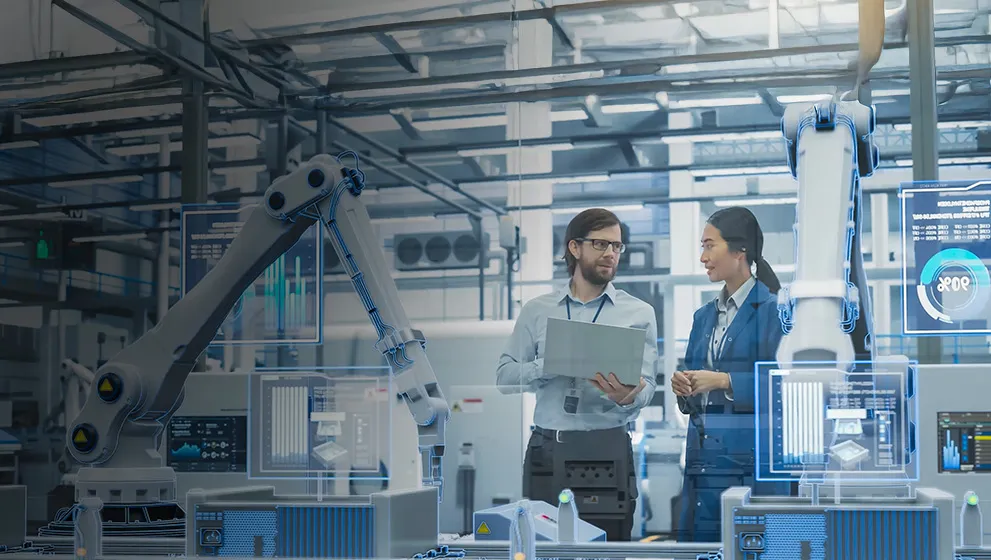
Today, the Singapore manufacturing industry is not just about factories anymore. It’s about automation, robotics, artificial intelligence, smart production lines, and highly skilled human capital working together in a tightly optimized system. And honestly, it’s impressive how far this transformation has gone. From old-school assembly lines to fully digitized “smart factories,” Singapore has rewritten what modern manufacturing looks like.
In 2026, the Singapore manufacturing industry growth is still strong despite global supply chain disruptions and shifting trade policies. Companies are investing heavily in advanced manufacturing, semiconductor fabrication, and biomedical innovation. And this is not just government talk—it’s visible in real infrastructure, real jobs, and real exports that continue to strengthen the country’s GDP.
What makes this industry even more interesting is how diversified it has become. You’ll find everything from aerospace components and robotics systems to pharmaceuticals and nanotechnology-based materials being produced within the same ecosystem. This level of diversity gives the Singapore manufacturing industry a resilience that many other economies struggle to achieve.
But there’s also a deeper story here. It’s about strategy. Singapore didn’t grow by accident. It invested in education, industrial policy, foreign partnerships, and long-term innovation planning. And now, as we move deeper into the digital age, the future of Singapore manufacturing industry looks even more connected to AI-driven production, sustainability goals, and global supply chain integration.
So in this guide, we’re going to break everything down—how it works, why it matters, what industries are involved, and where it’s heading next. If you’re a business owner, investor, student, or just curious about industrial growth in Asia, this is going to give you a full, practical understanding of the Singapore manufacturing industry from every important angle.

What is the Singapore Manufacturing Industry?
The Singapore manufacturing industry refers to the collection of industrial sectors responsible for producing goods ranging from electronics and chemicals to biomedical products and aerospace components. Unlike traditional manufacturing hubs that rely on mass production and cheap labor, Singapore has built a highly advanced, technology-driven system that focuses on precision, efficiency, and innovation.
At its core, the Singapore manufacturing industry is built around high-value production rather than low-cost output. This means companies operating here are not just assembling products—they are designing, engineering, testing, and exporting advanced solutions used worldwide. You’ll often hear terms like “advanced manufacturing,” “smart factories,” and “Industry 4.0” when discussing this ecosystem.
One of the strongest pillars of the Singapore manufacturing industry is electronics and semiconductors. Many global tech giants rely on Singapore-based facilities for chip production, microelectronics assembly, and precision components. This makes Singapore a critical node in the global technology supply chain.
Another important segment is biomedical manufacturing. Pharmaceutical companies and medical device manufacturers use Singapore as a regional hub because of its strict regulatory environment, skilled workforce, and strong logistics network. This sector alone contributes significantly to Singapore manufacturing output statistics every year.
But what truly defines the Singapore manufacturing industry is its integration with innovation. Government agencies actively support industrial transformation through funding, research partnerships, and innovation hubs. This has led to the rise of Singapore smart manufacturing transformation, where factories use AI, IoT sensors, and robotics to optimize production in real time.
So, when we talk about the Singapore manufacturing industry, we’re not just talking about factories—we’re talking about a fully connected ecosystem where technology, policy, and global trade come together to create one of the most efficient industrial systems in the world.
Why the Singapore Manufacturing Industry Matters
The importance of the Singapore manufacturing industry goes far beyond just economic numbers. Yes, it contributes a major portion of the country’s GDP, but its real value lies in how it strengthens global supply chains and positions Singapore as a strategic industrial hub in Asia.
First, the Singapore manufacturing industry growth directly supports thousands of high-skilled jobs. Unlike traditional labor-heavy industries, Singapore focuses on engineering, data science, robotics, and process optimization roles. This creates a workforce that is not only highly trained but also globally competitive.
Second, the industry plays a critical role in global exports. Singapore is one of the world’s largest exporters of electronics, semiconductors, and precision equipment. This makes the Singapore export-driven manufacturing economy a key driver of international trade stability, especially during supply chain disruptions.
Another reason it matters is innovation. The Singapore advanced manufacturing sector is deeply integrated with research institutions and universities. This allows companies to continuously develop new technologies and improve production efficiency. In fact, many breakthroughs in automation and robotics in Asia are tested first in Singapore before being scaled globally.
The Singapore manufacturing industry trends also show a strong shift toward sustainability. Companies are investing in energy-efficient factories, low-emission production systems, and circular economy models. This makes Singapore not just a manufacturing hub, but also a leader in green industrial transformation.
And finally, the strategic location of Singapore gives it a massive advantage. Positioned at the heart of Asia, it connects global trade routes between East and West. This allows the Singapore manufacturing supply chain system to operate with unmatched speed and reliability.
In short, the Singapore manufacturing industry matters because it combines innovation, stability, and global connectivity in a way very few countries can replicate.
Major Types and Sectors in Manufacturing
The Singapore manufacturing industry is not a single entity—it is a combination of several powerful sectors working together. Each sector plays a different role, yet they all contribute to Singapore’s overall industrial strength.
One of the most dominant sectors is electronics manufacturing. The Singapore electronics manufacturing industry includes semiconductors, circuit boards, and advanced computing components. Many global tech companies rely on Singapore for chip fabrication and precision assembly. This sector alone has helped Singapore become a critical player in the global digital economy.
Another major segment is biomedical manufacturing. This includes pharmaceuticals, vaccines, and medical devices. The Singapore biomedical manufacturing sector is known for its strict quality standards and advanced research integration. It attracts global pharmaceutical companies that need reliable and highly regulated production environments.
Precision engineering is also a key pillar. The Singapore precision engineering industry focuses on creating extremely accurate mechanical parts used in aerospace, robotics, and industrial machinery. This sector requires highly skilled engineers and advanced manufacturing tools.
Aerospace manufacturing is another growing area. Singapore produces aircraft components, maintenance services, and aviation systems. The Singapore aerospace manufacturing industry is supported by strong government investment and partnerships with global aviation companies.
Chemical manufacturing is also significant. The Singapore industrial manufacturing companies in this sector produce petrochemicals, specialty chemicals, and industrial materials that are exported worldwide.
Finally, smart manufacturing is transforming all sectors. The rise of Singapore automation in manufacturing industry has introduced robotics, AI-based quality control, and predictive maintenance systems across factories.
Together, these sectors make the Singapore manufacturing industry one of the most diversified and resilient industrial ecosystems in the world.
How the Singapore Manufacturing Industry Works
The working structure of the Singapore manufacturing industry is built on precision, efficiency, and technology integration. Unlike traditional systems where manual labor dominates, Singapore relies heavily on automation and digital intelligence.
At the core, the process begins with research and development. Companies invest heavily in innovation before production even starts. This ensures that every product manufactured in the Singapore manufacturing industry meets global quality standards.
Next comes design and engineering. Advanced CAD systems, simulation software, and AI-based modeling tools are used to create production blueprints. This stage is crucial for industries like semiconductors and aerospace where precision is everything.
Then comes production, where smart factories take over. The rise of Singapore smart manufacturing transformation means most production lines are now automated. Robots handle assembly, sensors monitor performance, and AI systems detect defects in real time.
Supply chain integration is another important factor. The Singapore manufacturing supply chain system is highly optimized, allowing raw materials to move quickly from suppliers to factories and finished goods to global markets.
Quality control is extremely strict. Every product undergoes multiple testing phases to ensure reliability. This is one of the reasons why the Singapore manufacturing industry competitiveness index remains so high globally.
Finally, logistics and export complete the cycle. Singapore’s world-class ports and airports ensure fast international distribution, strengthening its position as a global manufacturing hub.
Cost Structure and Investment Overview
Understanding the Singapore manufacturing industry cost structure is essential if you want to see why it attracts so many global investors despite being one of the more expensive regions in Asia. On the surface, Singapore is not a “cheap manufacturing destination.” Labor costs are higher than countries like Vietnam, India, or Indonesia. Utilities, land, and operational expenses also sit at a premium level.
But here’s the thing—companies don’t come to Singapore for cheap production. They come for efficiency, precision, and reliability. The Singapore manufacturing industry investment opportunities are built on high-value output rather than low-cost mass production.
Most manufacturing firms in Singapore operate under a capital-intensive model. This means heavy investment in robotics, automation systems, clean rooms, semiconductor fabrication plants, and advanced quality control systems. While initial setup costs are high, the long-term efficiency gains often outweigh the expenses.
For example, a semiconductor plant in the Singapore semiconductor manufacturing hub may cost billions to build, but it delivers extremely high returns through global chip demand. Similarly, biomedical production facilities require strict compliance and infrastructure, which increases setup costs but also ensures global export readiness.
Another important factor is government support. The Singapore government actively promotes Singapore manufacturing industry policy support, offering tax incentives, grants, and innovation funding for companies involved in advanced manufacturing, robotics, and R&D. This reduces the burden on investors and encourages long-term industrial growth.
Real estate and industrial land also play a big role. Since land is limited, factories are often built vertically or in highly optimized industrial parks. This creates a unique production environment where space efficiency is as important as machine efficiency.
In short, the cost of operating in the Singapore manufacturing industry is high—but so is the return in terms of productivity, global access, and technological advancement.
Key Companies and Industrial Ecosystem
The Singapore manufacturing industry companies ecosystem includes a mix of global giants and strong local enterprises. This blend is one of the reasons why Singapore maintains such a powerful industrial position in Asia.
Many multinational corporations operate large-scale facilities in Singapore, especially in electronics, chemicals, and biomedical sectors. These companies use Singapore as a regional production and export hub because of its stable governance, skilled workforce, and strong logistics network.
The Singapore industrial manufacturing companies ecosystem includes semiconductor leaders, aerospace engineering firms, pharmaceutical manufacturers, and precision equipment producers. These companies work closely with research institutions and government agencies to continuously upgrade production technologies.
Local firms also play an important role. Many of them specialize in niche areas such as robotics components, industrial automation systems, and advanced materials. These smaller companies often supply parts and services to larger multinational corporations, forming a tightly connected industrial chain.
One key feature of this ecosystem is collaboration. Unlike fragmented manufacturing hubs in other regions, Singapore promotes integration between industries. The Singapore industrial innovation strategy encourages companies to share research, collaborate on development projects, and adopt new technologies collectively.
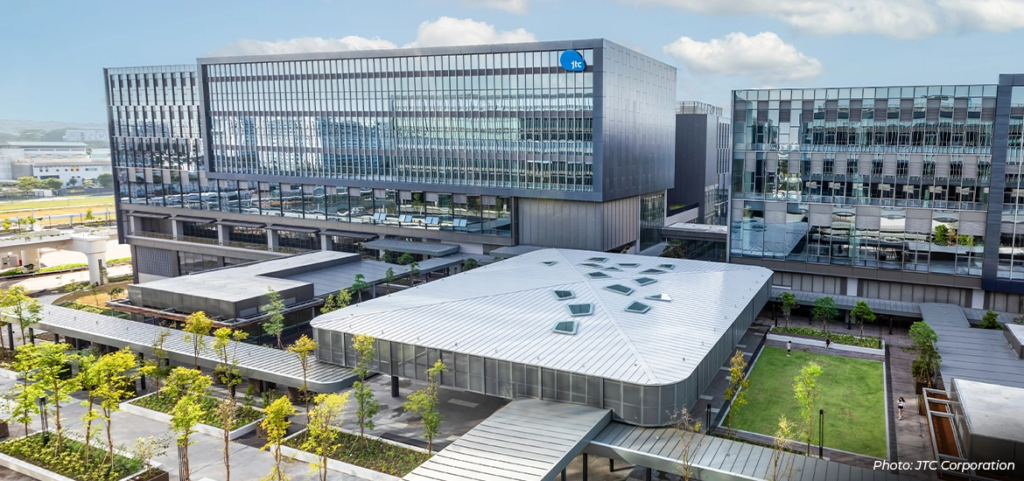
Industrial parks such as Jurong Island, Tuas, and one-north act as specialized clusters. Each cluster focuses on specific industries like chemicals, precision engineering, or biomedical research. This clustering improves efficiency and strengthens supply chain coordination within the Singapore manufacturing industry.
Overall, the ecosystem is highly organized, interconnected, and innovation-driven—making it one of the most advanced industrial networks in the world.
Comparison with Other Global Manufacturing Hubs
When comparing the Singapore manufacturing industry with other global hubs like China, Vietnam, Germany, or the United States, several unique differences stand out.
First, Singapore does not compete on cost. Countries like Vietnam and India offer lower labor expenses and cheaper land, making them ideal for mass production. However, Singapore focuses on high-tech, high-value manufacturing. The Singapore high-tech manufacturing clusters specialize in precision engineering, semiconductors, and biomedical production rather than bulk manufacturing.
Second, the level of automation is significantly higher. The Singapore robotics in manufacturing sector is far more advanced than many regional competitors. Factories are heavily digitized, reducing human error and increasing productivity.
Third, Singapore’s political stability and strong regulatory system give it an advantage over many other manufacturing hubs. Companies operating in the Singapore manufacturing industry benefit from predictable policies, strong intellectual property protection, and efficient business regulations.
Germany also competes in high-end manufacturing, especially in automotive engineering and machinery. However, Singapore has a stronger advantage in semiconductor production and biomedical innovation due to its strategic investments.
The United States leads in innovation and technology design, but production costs are higher. Meanwhile, China dominates mass manufacturing but is facing rising labor costs and geopolitical challenges.
Singapore sits in a unique position—it is small, but extremely efficient. The Singapore manufacturing competitiveness index consistently ranks high because it combines innovation, reliability, and global connectivity in one system.
In simple terms, while other countries compete on scale or cost, Singapore competes on precision and intelligence.
Expert Insights and Growth Strategies
Experts analyzing the Singapore manufacturing industry growth often highlight three key strategies that have driven its success: innovation, integration, and internationalization.
Innovation is the foundation. Singapore invests heavily in R&D through partnerships between universities, government agencies, and private companies. The goal is to continuously upgrade the Singapore advanced manufacturing sector with cutting-edge technology.
Integration is another critical factor. Different industries are not isolated—they are connected. Electronics, chemicals, biomedical, and aerospace sectors often share infrastructure, suppliers, and research facilities. This creates a highly efficient production network.
Internationalization is equally important. Singapore actively positions itself as a global hub for production and export. The Singapore global manufacturing position is strengthened by free trade agreements, strong logistics systems, and access to global markets.
Experts also emphasize the importance of digital transformation. The rise of Singapore manufacturing digitalization trend shows that companies adopting AI, IoT, and data analytics perform significantly better than traditional factories.
Another key strategy is workforce development. Singapore continuously trains engineers, technicians, and data specialists to support the evolving needs of the Singapore manufacturing industry.
Finally, sustainability is becoming a major focus. Green manufacturing initiatives are pushing companies to reduce emissions, optimize energy usage, and adopt circular production models.
Together, these strategies ensure that Singapore remains competitive in the global manufacturing landscape.
Common Mistakes to Avoid in Manufacturing Industry Understanding
Many people misunderstand the Singapore manufacturing industry, assuming it is similar to low-cost manufacturing hubs. This leads to several common misconceptions.
One mistake is assuming Singapore focuses on mass production. In reality, it focuses on high-value output. The Singapore manufacturing industry trends clearly show a shift toward advanced, not large-scale, manufacturing.
Another mistake is underestimating the importance of automation. Modern factories in Singapore are highly automated, and ignoring the Singapore automation in manufacturing industry aspect gives an incomplete picture.
Some also assume manufacturing is declining due to high costs. But data shows the opposite—the industry is evolving, not shrinking. The Singapore manufacturing industry future outlook remains strong due to continuous innovation.
Lastly, many overlook government involvement. Singapore’s success is not accidental; it is driven by long-term planning, industrial policy, and strategic investment.
Avoiding these misconceptions is important if you want to truly understand how the system works.
FAQs about Singapore Manufacturing Industry
1. What is the Singapore manufacturing industry known for?
It is known for high-tech production including semiconductors, biomedical products, precision engineering, and advanced electronics.
2. Why is the Singapore manufacturing industry important?
It supports the economy, drives exports, and strengthens global supply chains through innovation and technology.
3. What are the major sectors in the Singapore manufacturing industry?
Electronics, biomedical, chemicals, aerospace, and precision engineering are the main sectors.
4. Is manufacturing expensive in Singapore?
Yes, costs are higher, but productivity, efficiency, and global access make it highly valuable for investors.
5. What is the future of Singapore manufacturing industry?
The future focuses on automation, AI-driven production, sustainability, and smart manufacturing systems.
Conclusion: The Future of Singapore Manufacturing Industry
The Singapore manufacturing industry stands as one of the most advanced and strategically developed industrial ecosystems in the world. It is not built on cheap labor or mass production—but on intelligence, precision, and innovation.
From semiconductors and biomedical breakthroughs to robotics and aerospace engineering, Singapore continues to push boundaries in every direction. The Singapore manufacturing industry growth is not just steady—it is evolving into a smarter, greener, and more connected future.
What makes it even more powerful is its adaptability. Whether it’s global supply chain disruptions, technological shifts, or economic uncertainty, Singapore manages to stay ahead through planning and innovation.
If you’re an investor, researcher, or business owner, this industry offers long-term opportunities that go beyond traditional manufacturing models. And with the rise of Singapore smart manufacturing transformation, the next decade is likely to bring even more automation, efficiency, and global influence.
The message is simple: Singapore isn’t trying to be the biggest manufacturing hub in the world—it’s trying to be the smartest. And right now, it’s well on its way.