
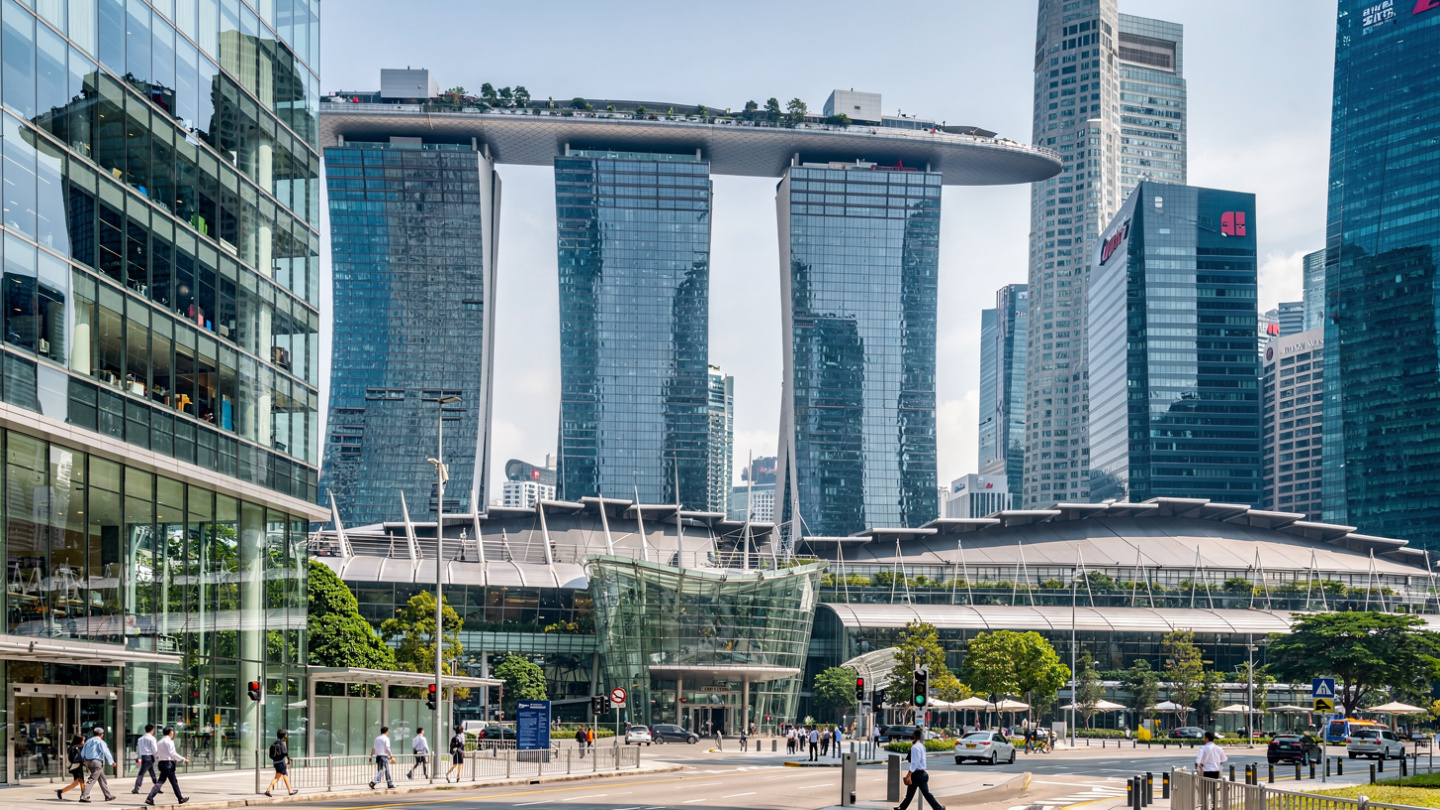
Getting a job abroad is exciting… but also confusing. And when it comes to Asia, one country always stands out — Singapore. It’s clean, modern, high-paying, and full of opportunities. But here’s the catch: you can’t just land there and start working. You need a proper legal entry, and that’s where the Singapore work permits guide becomes important.
If you’re planning to work in Singapore, you’ve probably already searched things like “how to get Singapore work permit in 2026” or “Singapore work visa requirements for foreigners.” The truth is, the system is structured but not overly complicated—if you understand it properly. Most people struggle not because it’s hard, but because they don’t follow the right steps or miss small details like eligibility, documents, or job category rules.
In this Singapore work permits guide, we’ll break everything down in a simple, human way. No complicated government language, no confusing jargon. Just real, practical explanation that feels like someone experienced is talking to you directly.
We’ll explore everything from types of permits, application process, salary requirements, costs, and even rejection reasons. Whether you’re a skilled professional, construction worker, or domestic helper, this guide is built for you.
And yes, we’ll also cover common searches like “Singapore employment pass vs work permit,” “Singapore MOM work permit process,” and “Singapore work permit eligibility criteria” so you don’t need to jump between different websites.
So if you’re serious about working in Singapore, this is where your journey actually starts.
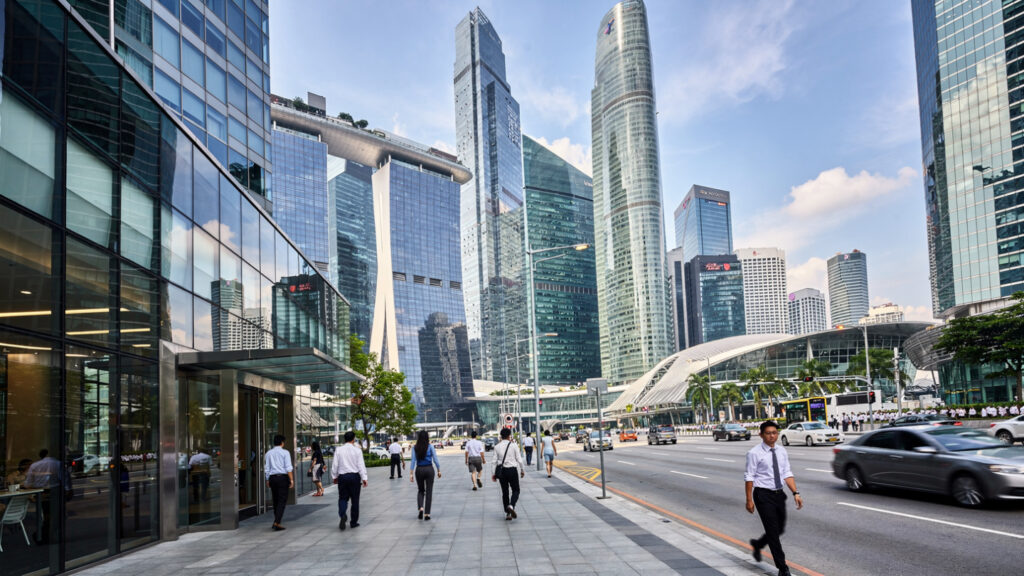
What is Singapore Work Permits Guide
The Singapore work permits guide is basically a complete roadmap that helps foreign workers understand how to legally work in Singapore. It explains different visa types, eligibility rules, documents, and approval steps set by the Ministry of Manpower (MOM).
At its core, the Singapore system is designed to balance local employment and foreign labor demand. That’s why you’ll see different categories like Work Permit, S Pass, and Employment Pass. Each one has different rules depending on your skill level, salary, and job type.
For example, the Singapore work permit application process for construction workers is different from a software engineer applying for an Employment Pass. That’s why this guide is so important—it helps you identify where you fit before applying.
Many people make the mistake of applying blindly without checking Singapore work permit eligibility criteria, and that leads to rejection. Others don’t understand Singapore foreign worker quota rules, which limit how many foreign employees a company can hire.
This Singapore work permits guide also explains Singapore work visa requirements for Pakistanis, Indians, Bangladeshis, and other countries where many workers apply from. It helps you understand documents needed like passport validity, medical checkups, job offer letters, and employer sponsorship.
In short, this guide is not just information—it’s a step-by-step roadmap that helps you avoid mistakes and improve approval chances.
Deep Dive into Singapore Work Permits Guide (Eligibility, Sectors & Real Ground Reality)
When people first hear about working in Singapore, they usually imagine high salaries, clean streets, and stable jobs. And yes, all of that is true—but what most people don’t see is the structured system behind it. The Singapore work permits guide becomes extremely important here because it reveals how strict, organized, and rule-driven the entire employment system actually is.
If you skip understanding this part, you might feel lost later during application or even face rejection without knowing why. So this section is going deeper than basics—it’s about real eligibility logic, hidden rules, job sectors, and what actually matters when applying.
Understanding Real Eligibility Beyond Basic Requirements
On paper, Singapore work permit eligibility criteria look simple: a job offer, valid passport, and employer sponsorship. But in reality, things go much deeper.
For example, two people can have the same qualification, but only one gets approved. Why? Because Singapore doesn’t just look at education—it looks at job demand, employer quota, salary structure, and even industry priority.
In this Singapore work permits guide, one important thing to understand is that eligibility is not “fixed”—it changes depending on the job sector. Construction workers, healthcare assistants, IT professionals, and domestic helpers all fall under completely different approval logic.
Another hidden factor is nationality demand. Some countries have higher approval chances due to bilateral agreements, while others go through stricter checks. That’s why many applicants search “Singapore work visa requirements for Pakistanis” or similar queries, trying to understand their chances.
Also, your employer plays a massive role. Even if you are eligible, a low-rated or quota-exhausted employer can cause rejection instantly. So eligibility is not just about you—it’s about your job placement too.
Major Job Sectors Covered Under Singapore Work Permits Guide
One of the most important parts of the Singapore work permits guide is understanding which industries actually hire foreign workers.
Let’s break it down in a realistic way:
1. Construction and Infrastructure Sector
This is one of the largest hiring sectors. Workers in this category usually fall under Work Permit schemes. Jobs include electricians, welders, scaffolders, general labor, and site helpers.
Singapore constantly develops new infrastructure, so demand stays high. However, it is also highly regulated. Companies must follow strict foreign worker quota rules, which limit hiring capacity.
2. Domestic and Service Workers
Domestic helpers, cleaners, and caregivers also fall under the Work Permit category. These roles require employer sponsorship and strict compliance with Singapore MOM rules.
Live-in domestic workers are very common in households across Singapore, but they must follow contract-based employment rules.
3. Manufacturing and Production
Factories, electronics assembly, and production lines hire thousands of foreign workers. This sector is stable but requires physical endurance and shift work flexibility.
4. IT, Engineering & Finance
This is where Employment Pass (EP) applicants come in. These roles require higher education, specialized skills, and higher salaries.
Jobs like software engineer, project manager, and financial analyst fall under this category.
5. Hospitality and Retail
Hotels, restaurants, and retail chains hire both S Pass and Work Permit workers depending on skill level.
Understanding these sectors is critical because the Singapore work permits guide is not one-size-fits-all—it depends heavily on industry classification.
Hidden Rules Most Applicants Don’t Know
Now here’s where things get interesting… and where most people fail without realizing it.
The Singapore system has certain “unwritten but very real” rules.
First, quota limitations. Every company is allowed a limited percentage of foreign workers compared to local employees. Even if you are qualified, if the quota is full, your application stops right there.
Second, dependency on employer credibility. MOM (Ministry of Manpower) reviews employer history. Companies with previous violations or high turnover of foreign workers face stricter checks.
Third, salary mismatch issues. If your salary offer is too low for your job category, your application may be rejected even if everything else is fine.
Fourth, timing matters. Some industries experience seasonal hiring waves. Applying at the wrong time can reduce approval chances.
And lastly, documentation accuracy. Even small inconsistencies—like spelling differences in certificates—can delay or reject your application.
These are the kind of details most people miss when they only read basic guides online. But in reality, this is exactly what determines approval or rejection.
Step-by-Step Mental Model of How Approval Actually Works
Let’s simplify the real approval mindset used in Singapore work permits guide systems.
Think of it like a filter:
- Job Offer Filter – Do you have a valid employer in Singapore?
- Quota Filter – Is the company allowed to hire more foreign workers?
- Salary Filter – Does your pay match government standards?
- Skill Filter – Does your experience match job demand?
- Compliance Filter – Are all documents accurate and verifiable?
If you pass all five filters, approval is likely. If even one fails, rejection happens.
This is why applicants who understand the system deeply usually succeed faster than those who apply randomly.
Role of Agencies and Job Platforms
Many people rely on recruitment agencies to navigate the Singapore work permits guide process. And honestly, this can help—but only if the agency is licensed.
Licensed agencies act as a bridge between employers and foreign workers. They help match your profile with available jobs and handle documentation.
However, there’s also a risk. Unverified agencies may promise guaranteed jobs or fast approvals, which is not how the system actually works.
The safest approach is always to verify employer legitimacy and ensure the job offer is real and MOM-compliant.
Why Understanding This Section Matters
This deeper understanding is what separates successful applicants from confused ones.
Most people only look at “how to apply,” but they don’t understand “how approval decisions are made.” And that’s the real difference.
The Singapore work permits guide is not just about forms and documents—it’s about understanding how an entire labor system works behind the scenes.
Once you understand eligibility logic, job sectors, quotas, and hidden rules, the process becomes much clearer and less stressful.
And honestly, once you see the system properly, you stop guessing and start planning strategically.
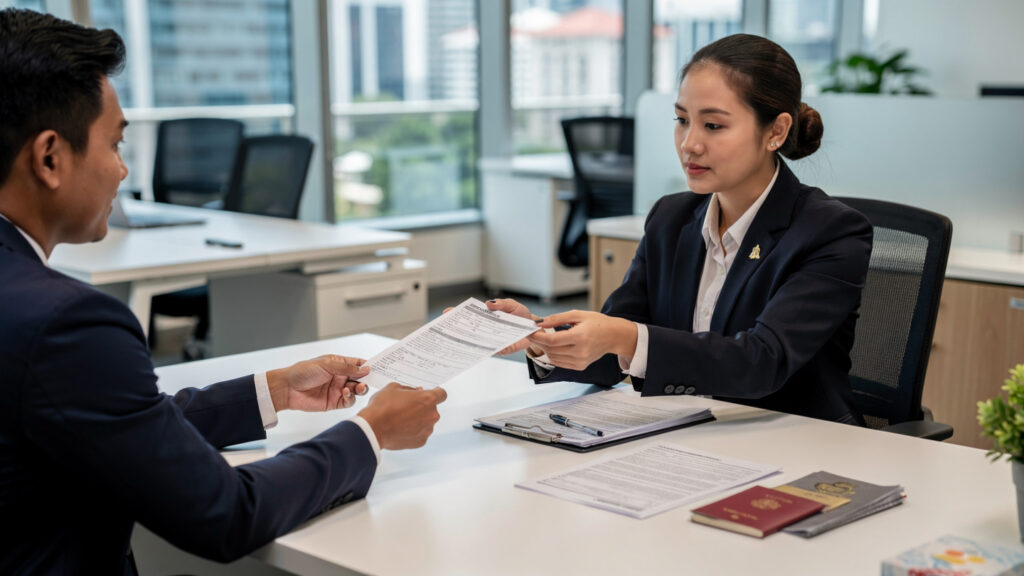
Why Singapore Work Permits Guide Matter
If you think a work permit is just paperwork, think again. In Singapore, it’s everything. Without it, you cannot legally earn, stay, or even switch jobs. That’s why the Singapore work permits guide is essential for anyone planning to move there for work.
First, Singapore is one of the strictest labor-regulated countries in Asia. The Ministry of Manpower (MOM) ensures that foreign workers are hired fairly and that local jobs are protected. This means every applicant must follow strict Singapore work permit rules.
Second, salaries in Singapore are attractive, but competition is also high. Understanding Singapore employment pass salary requirements or S Pass eligibility helps you target the right job category instead of wasting time on wrong applications.
Third, employers in Singapore only hire candidates who already understand the legal process. If you already know the Singapore work permit process explained step by step, you automatically become a stronger candidate.
Another important reason is rejection prevention. Many applicants face Singapore work permit rejection reasons like incomplete documents, low salary offers, or wrong job category selection. A proper Singapore work permits guide helps avoid these issues.
Finally, it gives you confidence. Instead of guessing, you know exactly what to do—from documents needed for Singapore work permit to processing time and approval expectations.
So yes, this is not just a guide… it’s your entry ticket to working legally in one of the most developed job markets in Asia.
Types of Singapore Work Permits Guide
Understanding the types is one of the most important parts of this Singapore work permits guide. Singapore offers several categories depending on your skills, salary, and job role.
The main types include:
- Work Permit (WP) – for semi-skilled or unskilled workers like construction, manufacturing, and domestic helpers.
- S Pass – for mid-skilled workers with technical qualifications.
- Employment Pass (EP) – for professionals, managers, and executives with higher salaries.
Each category has different singapore work permits guide eligibility criteria. For example, Work Permit holders are usually tied to a specific employer and cannot freely change jobs. On the other hand, Employment Pass holders have more flexibility.
If we talk about Singapore construction work permit guide, most workers fall under the Work Permit category. Meanwhile, IT professionals and engineers usually apply under Employment Pass.
There’s also a difference in salary requirements. The Singapore employment pass salary requirement is much higher compared to S Pass or Work Permit.
Another important variation is Singapore domestic helper work permit rules, which are very specific and require employer sponsorship and insurance coverage.
Understanding these categories helps you avoid confusion and ensures you apply for the right visa. This is where many applicants fail—they don’t match their profile with the correct permit type.
So before applying, always study the category that fits your skill level. This single step can increase your approval chances significantly.
Application Process Explained (Step-by-Step)
The Singapore work permits guide application process is structured but straightforward if followed correctly. This section of the Singapore work permits guide breaks it into simple steps.
First, you need a job offer from a Singapore employer. Without this, you cannot apply. The employer is responsible for submitting your application to MOM.
Second, the employer checks Singapore foreign worker quota rules to ensure they are allowed to hire you. If the quota is full, your application cannot proceed.
Third, required documents are submitted. These include passport copy, educational certificates, medical reports, and sometimes skill certifications depending on job type.
Fourth, MOM reviews the application. This is where Singapore work visa processing time comes in, usually ranging from a few days to several weeks depending on the case.
Fifth, once approved, you receive an In-Principle Approval (IPA) letter. This allows you to enter Singapore and complete medical and fingerprint checks.
Finally, after arrival, you collect your work permit card and officially start working.
Many people search “how to get Singapore work permit in 2026,” and the answer is simple: follow the process correctly and avoid missing documents.

Cost, Salary & Requirements
Cost and salary expectations are a major part of the Singapore work permits guide. While the government fee is not very high, the real cost comes from agency fees, medical tests, and relocation expenses.
Work Permit fees are usually paid by employers, but S Pass and Employment Pass applicants may face indirect costs.
Salary depends on job type. For example, Employment Pass holders must meet Singapore employment pass salary requirements, which are significantly higher than Work Permit holders.
Requirements include:
- Valid passport
- Job offer from Singapore company
- Medical clearance
- Educational or skill certificates
- Employer sponsorship
Understanding Singapore work permit cost and fees helps you prepare financially before applying.
Comparison with Other Work Visas
Compared to other countries, Singapore has a more structured system. Unlike many countries, Singapore does not allow freelancing on work permits.
When comparing Singapore employment pass vs work permit, the biggest difference is flexibility and salary level.
Other countries may offer easier entry, but Singapore offers better job security and higher income potential.
This is why the Singapore work permits guide is so important—it helps you understand where you stand globally.
Expert Tips for Approval
Experts recommend:
- Apply through licensed agencies
- Ensure documents are accurate
- Match job role with correct permit type
- Avoid salary mismatch issues
- Understand MOM requirements clearly
These small steps improve approval chances significantly.
Common Mistakes to Avoid
Many applicants fail due to simple mistakes:
- Applying without job offer
- Wrong permit selection
- Missing documents
- Ignoring quota limits
- Fake or incomplete details
Avoiding these mistakes is key to success.
FAQs
1. What is Singapore work permits guide?
It is a complete explanation of visa types, rules, and application process for working legally in Singapore.
2. How long does approval take?
Usually a few days to a few weeks depending on job type and documents.
3. Can I change jobs on a work permit?
No, most Work Permit holders are tied to one employer.
4. What is the salary requirement?
It depends on pass type; Employment Pass requires higher salary than Work Permit.
5. Is medical test required?
Yes, medical clearance is mandatory for most applicants.
Conclusion
The Singapore work permits guide is your complete roadmap to working legally in one of Asia’s strongest job markets. From understanding types to application steps, salary rules, and mistakes, everything matters if you want approval.
If you’re serious about working in Singapore, don’t rush the process. Prepare your documents, choose the right permit, and follow the rules carefully.
And if you want help with job placement or application support, working with an experienced consultant or agency can make things much easier.
Your journey doesn’t start with the flight—it starts with the right knowledge. And now you have it.