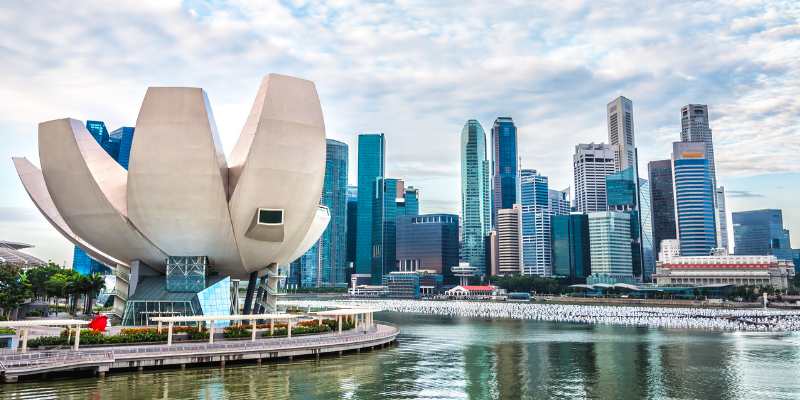

Let’s be honest — walking into a business meeting in Singapore without knowing the local culture is like showing up to a black-tie dinner in jeans. You might get through it, but you’ll feel it. And your counterparts will, too.
Singapore business culture is one of the most fascinating and layered professional environments in the entire world. It’s a city-state where Chinese Confucian values sit comfortably alongside British colonial formality, Malay warmth, Indian relationship-building traditions, and the fast-moving energy of a global financial hub. That mix — it’s extraordinary. And for any foreigner, entrepreneur, or expat trying to build real business relationships here, understanding that mix isn’t optional. It’s essential.
Singapore has consistently ranked as one of the easiest places in the world to do business, regularly appearing at the very top of the World Bank’s Ease of Doing Business Index. But “easy to start a business” and “easy to navigate professionally” are two very different things. The legal infrastructure is excellent, yes. The corruption is virtually non-existent. The infrastructure is world-class. But the cultural side of doing business in Singapore? That takes a little more understanding, a little more patience, and — let’s be real — a little more reading.
This guide covers everything you need to know. Whether you’re relocating to Singapore, flying in for a deal, or building a remote team with Singaporean colleagues, these 12 insights into Singapore business culture will help you show up prepared, respected, and ready to build something real.

What Is Singapore Business Culture?
Singapore business culture is, at its core, a carefully maintained balance between efficiency and relationship, between directness and diplomacy, and between global ambition and deeply rooted Asian values. It didn’t arrive fully formed — it evolved over decades of colonial history, rapid economic development, and deliberate nation-building by a government that understood the power of turning a tiny island into a global business capital.
When you talk about singapore business culture, you’re really talking about a blend of at least three major cultural influences. The majority Chinese population brings Confucian values to the table — ideas about respect for elders and authority, the importance of face (or “mianzi”), harmony in relationships, and the belief that long-term relationships matter more than short-term transactions. The Malay community contributes warmth, hospitality, and an emphasis on community and social harmony. The Indian community — both Tamil and North Indian — brings a tradition of hospitality, family-oriented thinking, and a strong respect for education and professional achievement. And layering over all of this is the legacy of British colonialism, which left behind a legal system, a deeply formal approach to written contracts, and a certain appreciation for punctuality and professional decorum.
What makes Singapore particularly unique is that this cultural blending doesn’t happen in a haphazard way. Singapore’s government has actively shaped its national identity since independence in 1965, promoting meritocracy, multiracialism, and pragmatism as core national values. These aren’t just slogans on a wall — they genuinely filter into how business is conducted. Singaporeans tend to be pragmatic problem-solvers. They value results. They’re not big on wasting time or engaging in unnecessary formality for its own sake, but they will absolutely follow social protocols if those protocols carry relationship significance.
And that’s the key insight about singapore corporate culture: it’s not bureaucratic for bureaucracy’s sake. Every cultural norm exists for a reason — usually to preserve harmony, show respect, or build the kind of long-term trust that underpins serious business relationships. Once you understand the “why” behind the customs, the customs themselves start to feel natural rather than arbitrary.
The singapore workplace culture also varies depending on the type of company you’re dealing with. A government-linked corporation (GLC) will feel very different from a Western multinational that’s set up a regional office in Singapore. And a Singaporean startup in the Tanjong Pagar tech district is going to feel very different from a traditional family-owned Chinese business in a shophouse. Context always matters when you’re navigating singapore professional culture.
Why Understanding Singapore Business Culture Matters
Some people arrive in Singapore thinking: “It’s English-speaking, it’s modern, it can’t be that different from back home.” That assumption — that’s usually where things start to go sideways.
Understanding singapore business culture matters because it directly affects outcomes. The quality of your negotiations, the speed at which trust is built, the ability to close deals, retain talent, and sustain partnerships — all of these are affected by cultural fluency. Research consistently shows that cross-cultural competence is one of the strongest predictors of international business success. And in a region as culturally rich and complex as Southeast Asia, Singapore is often the gateway. Get the singapore business culture right here, and you’re better equipped to do business across the entire region.
There are practical reasons, too. Singapore is a hub for regional operations for thousands of multinationals. When a company sets up its Asia-Pacific headquarters in Singapore — and many do — its Singaporean team often serves as the cultural bridge between the Western parent company and markets in China, Indonesia, Malaysia, Thailand, and beyond. Understanding singapore business culture customs and traditions helps you work more effectively with that team. It helps you avoid the kind of unintentional offense that can quietly derail an otherwise solid professional relationship.
And let’s talk about reputation, because in Singapore, reputation matters enormously. Singapore is a small city-state with a relatively tight business community. Word travels. If you’re seen as culturally insensitive, arrogant, or uninterested in building genuine relationships, that reputation follows you. Conversely, if you demonstrate cultural awareness, humility, and a genuine respect for local customs, that reputation also follows you — and it opens doors.
The economic stakes are not trivial, either. Singapore’s GDP per capita is among the highest in the world. It’s one of the world’s leading financial centers, a major shipping and logistics hub, a global biomedical and pharmaceutical player, and a growing tech powerhouse. The professionals you’re doing business with are often extraordinarily accomplished — educated at top universities, experienced across multiple markets, and deeply aware of how they want to be treated in a professional setting. Cultural awareness isn’t just polite in this environment. It’s expected.
The Role of Hierarchy in Singapore Business Culture
If there’s one concept that shapes singapore business culture more than almost any other, it’s hierarchy. And understanding how it works — not just that it exists — is critical.
Hierarchical thinking in Singapore draws heavily from Confucian philosophy, which places enormous value on structured relationships. In a traditional Confucian worldview, every relationship has a defined structure: parent and child, teacher and student, employer and employee, senior and junior. Each role comes with both responsibilities and respect. The senior person in a relationship has a duty to lead, protect, and guide. The junior person has a duty to show deference, work diligently, and avoid causing embarrassment or conflict.
In practice, this means that in many Singaporean companies — particularly older, more established firms and family businesses — decisions flow from the top down. Employees don’t typically challenge or openly contradict their superiors, even when they privately disagree. This isn’t about submission or weakness; it’s about maintaining harmony and showing respect. Disagreement, when it happens, tends to be communicated indirectly — through questions, through silence, or through a trusted intermediary.
For foreigners used to flat organizational structures or cultures that celebrate open debate, this can be disorienting. You might interpret silence as agreement. You might read deference as enthusiasm. You might push for a decision and not understand why the room seems reluctant to commit. The answer is usually hierarchy — someone with more authority hasn’t spoken yet, or the junior staff member in the room doesn’t feel empowered to contradict a senior colleague in front of outsiders.
When doing business in singapore, always try to identify the most senior person in the room early. Direct your most important points to that person, even if others do most of the talking. If you’re presenting to a team, find out in advance who the decision-maker is. And be patient — decisions may need to be referred upward before you get a firm answer, and that’s not a stalling tactic. It’s simply how the process works.
It’s also worth noting that singapore business culture hierarchy doesn’t mean that junior employees are invisible or voiceless. Singapore’s workforce is highly educated, and Singaporean companies do value analytical thinking, initiative, and problem-solving. The hierarchy determines how communication happens, not whether good ideas can emerge from any level. The smart foreign professional learns to work within the structure rather than trying to flatten it.
Communication Style and Business Etiquette in Singapore
Singapore’s approach to communication in business is one of the most nuanced aspects of singapore business culture — and one of the most commonly misunderstood by foreigners.
Singaporeans, broadly speaking, are high-context communicators. What that means is that a great deal of meaning is conveyed through context, tone, implication, and what is left unsaid rather than through blunt, direct statements. This is particularly true in situations that could create conflict or cause someone to lose face. If a Singaporean business contact says “that could be difficult,” they probably mean “no.” If they say “we’ll see what we can do,” that’s not a promise — it might actually be a polite decline. Learning to read between the lines is a real skill in singapore business culture communication.
That said, Singapore’s communication style is somewhat more direct than you’d typically encounter in, say, Japan or Thailand. English is the language of business, which brings with it a certain directness. Singaporeans will tell you when a deadline is tight, when a proposal isn’t workable, or when expectations aren’t being met — particularly in professional contexts where time and efficiency are valued. But they’ll do it in a way that preserves everyone’s dignity. Blunt criticism, especially in front of others, is considered deeply inappropriate.
The concept of “face” — saving one’s own dignity and protecting others’ dignity — is absolutely central to singapore corporate culture. Causing someone to lose face, whether by criticizing them publicly, contradicting them sharply in front of colleagues, or making them look incompetent in front of their superiors, is one of the most serious social missteps you can make. It doesn’t matter how well-intentioned you are. The impact is the impact.
Business etiquette in singapore also places a strong premium on formality in written communication, especially in the early stages of a relationship. Emails should be professional, well-structured, and free of overly casual language. Using proper titles — Mr., Ms., Dr., Professor — until explicitly invited to use first names is standard practice. And meeting recaps, agreed terms, and decisions should always be confirmed in writing. Singaporeans appreciate clarity, and written records prevent misunderstandings in a multicultural environment where communication styles can vary even within the city itself.
Singapore is a place where people tend to be precise with language, particularly around numbers, timelines, and deliverables. Vague commitments are noticed. Overpromising and underdelivering is a serious credibility issue. If you say you’ll send a report by Thursday, send it by Thursday. Better yet, send it Wednesday. That kind of reliability builds the kind of trust that singapore business relationships are built on.
Singapore Business Culture Meeting Etiquette
Business meetings in Singapore follow a rhythm and a set of unspoken rules that, once you understand them, make the whole experience significantly smoother.
Punctuality is non-negotiable. Singapore business culture treats lateness as a sign of disrespect — both for the other person’s time and for the business itself. Being even five minutes late without advance notice can create a negative impression that takes time to overcome. If you’re running late, always send a message in advance. Always. It’s a small gesture that carries significant weight.
When you arrive, greetings matter. In a multicultural context like Singapore, greetings may vary. The standard professional greeting is a handshake — firm but not aggressive — accompanied by eye contact and a genuine smile. With more traditional or senior Chinese colleagues, a slight nod of respect alongside the handshake is appreciated. With Malay colleagues, particularly more observant Muslims, be aware that some men and women may not shake hands across genders. The respectful approach is to let your counterpart take the lead. If someone presses their hands together in a slight bow, mirror that gesture. It takes two seconds and means a great deal.
Introductions in singapore business culture meetings typically go from the most senior person to the most junior. Pay attention to this order — it tells you the hierarchy of the room. Acknowledge the most senior person first with a direct greeting, then work your way through the group.
At the start of a meeting, especially a first meeting, expect some small talk before diving into business. This isn’t time-wasting — it’s relationship-building. Singapore business culture values knowing who you’re dealing with before committing to anything serious. Questions about where you’re from, how you find Singapore, how your journey was — these are genuine invitations to connect, not filler. Engage with them warmly.
Presentations should be thorough and well-prepared. Singapore professionals respect detail and competence. Come prepared with data, with a clear agenda, and with materials that have been proofread. Visual clutter, vague claims, or poor preparation signals disorganization — which undermines trust in your ability to deliver.
During the meeting itself, avoid interrupting. Let speakers finish their thoughts. Silence is not always an invitation to fill the air — it can mean reflection, consideration, or consultation. Resist the urge to rush in and fill every quiet moment with words.

Business Card and Gift-Giving Customs
Business cards are serious business in singapore business culture — and in East Asian business culture generally. The exchange of business cards at the beginning of a meeting isn’t just a formality. It’s a ritual with real meaning, and getting it wrong sends a message.
When presenting your card, use both hands, with the card oriented so the recipient can read it as they receive it. Look at them as you hand it over. And when you receive someone else’s card, take a moment to actually read it. Acknowledge what you see — their name, title, company. Then place it respectfully on the table in front of you for the duration of the meeting, or place it carefully in a card holder. Do not write on it. Do not shove it in your back pocket. Do not bend it. These actions are considered disrespectful.
If your company name is well-established, having your cards printed in English on one side and Mandarin Chinese on the other is a thoughtful touch that will be noticed and appreciated, particularly by Chinese Singaporean counterparts.
Gift-giving in singapore business culture is appropriate in certain contexts — particularly when visiting someone’s office for the first time, during festive seasons like Chinese New Year, Hari Raya, or Deepavali, or when returning from an overseas trip. But it requires some cultural sensitivity. Be aware of food restrictions — many Malay and Indian Muslim colleagues don’t consume pork or alcohol. Many Indian Hindu colleagues don’t eat beef. Offering alcohol as a gift to a Muslim counterpart is a significant social error. When in doubt, high-quality corporate gifts like quality stationery, tasteful desk items, or premium local food products (check the contents first) are safe choices.
The value of the gift should be appropriate to the relationship stage — extravagant gifts early in a relationship can feel uncomfortable or even be misinterpreted as a bribe, which is a serious concern in Singapore given the country’s rigorous anti-corruption laws.
Building Relationships and Networking in Singapore Business Culture
One of the most important things to understand about doing business in singapore is that Singaporeans, much like their regional neighbors, tend to prefer doing business with people they know and trust. The formal contract matters enormously — Singapore is a rule-of-law society and written agreements are strictly upheld. But underneath the legality, the relationship is the real foundation.
This concept connects loosely to the Chinese idea of guanxi — a network of relationships based on mutual benefit, trust, and reciprocity. In singapore business culture, guanxi doesn’t operate as explicitly as in mainland China, but the underlying principle is the same: people do business with people they like, respect, and feel comfortable with. That means that investing time in relationship-building before pushing for a deal is not wasted time. It’s an essential investment.
Singapore business networking typically happens in a variety of settings. Industry events, Chamber of Commerce functions, alumni gatherings, and informal dinners are all important networking venues. LinkedIn is widely used and well-regarded as a professional networking platform. Singapore’s government also runs a range of business development programs, trade associations, and enterprise events that connect local and international professionals.
If you’re new to Singapore, finding a local connector or trusted introducer can dramatically accelerate the relationship-building process. Being introduced by a respected mutual contact carries significant weight in singapore professional culture. It transfers a portion of the introducer’s credibility to you — which is why maintaining good relationships with everyone in your network matters. You never know who will vouch for you next.
Business dining is a major part of relationship-building in singapore business culture. Singapore has one of the world’s great food cultures, and sharing a meal is a significant act of connection. If you’re invited to dinner, accept. If you’re hosting, put thought into the restaurant choice — somewhere that can accommodate different dietary requirements (Singapore’s multicultural workforce often includes people with specific halal, vegetarian, or other dietary needs). And during the meal, keep business talk light. The dinner is about relationship, not transaction.
Singapore Business Culture Dress Code and First Impressions
First impressions in singapore corporate culture count more than many foreigners realize. Singapore’s business environment is generally formal, particularly in banking, law, government, and large corporate settings. Conservative, professional attire is expected for most initial meetings and client-facing situations.
For men, a well-fitted suit with a collared shirt and tie is appropriate for formal settings. In many day-to-day corporate environments, business casual — a collared shirt with dress trousers — is acceptable. Singapore’s tropical climate is something to be mindful of: the humidity outside is significant, though offices are usually air-conditioned, sometimes aggressively so. Dressing in light but professional fabrics is a practical and appropriate choice.
For women, professional dress means suits, blouses with trousers or skirts, or conservative dresses. Singapore is relatively progressive in its gender norms in the professional context, and women occupy senior roles across industries. That said, conservative attire — nothing too revealing — is the standard expectation, particularly in formal or traditional business environments.
In the tech and startup world, the dress code is noticeably more relaxed. Singapore’s growing startup scene, concentrated in areas like one-north, Buona Vista, and the Central Business District, tends toward smart casual. But even in these environments, showing up in torn jeans and flip-flops to a first meeting with potential investors is unlikely to create the impression you’re hoping for. Read the room, and when in doubt, overdress rather than underdress.
Personal grooming matters, too. Singaporeans tend to present themselves neatly and professionally. Clean, well-maintained appearance signals that you take the meeting, and the relationship, seriously.
Negotiation Style in Singapore Business Culture
Negotiation in singapore business culture is a process — not a confrontation. This distinction is crucial, and misunderstanding it is one of the more common mistakes made by Western professionals who are used to more aggressive, zero-sum negotiating styles.
Singaporeans tend to negotiate with a long-term perspective. They’re not trying to win every single point in a single meeting. They’re trying to reach an agreement that both sides can live with, execute well, and build upon over time. This means that pushing too hard, making ultimatums, or trying to “win” by forcing concessions can backfire — it might get you the deal on paper, but it kills the relationship underneath it.
The singapore business culture negotiation style is typically methodical. Expect multiple rounds of discussion before a decision is reached. Expect that key decision-makers may not be present in early meetings — those gatherings are often information-gathering sessions. The actual decision will be made internally, sometimes much later. Don’t interpret this as disinterest. It’s process.
In multi-ethnic business contexts in Singapore, the negotiation dynamic may shift depending on the cultural background of your counterpart. Chinese Singaporean negotiators may use silence strategically, may seem to revisit agreed points, and may be testing your patience and commitment as much as your offer. This isn’t bad faith — it’s due diligence. Indian Singaporean negotiators may engage in more dynamic conversation and direct back-and-forth. Malay Singaporean negotiators often prioritize relationships and mutual respect in the negotiation, and may pull back if they feel the atmosphere is too aggressive.
Always confirm agreements in writing promptly after any verbal understanding is reached. This is not because Singaporeans are untrustworthy — quite the opposite. Written confirmation is simply standard business practice in a culture that values clarity, precision, and accountability.
Multicultural Sensitivity in the Singapore Workplace
Singapore is home to Chinese, Malay, Indian, Eurasian, and expat communities, and its workforce reflects that extraordinary diversity. Singapore’s constitution and national values actively promote racial and religious harmony, and the culture takes this seriously. In a singapore workplace culture, being culturally sensitive isn’t just an HR policy — it’s the social contract everyone operates under.
Religious observances matter in this context. Muslim colleagues may observe daily prayer times, and many will fast during Ramadan. During this period, scheduling lunch meetings or having food prominently displayed in a meeting isn’t appropriate without acknowledgment. The workplace often adapts — flexible timing, designated prayer spaces, and a general atmosphere of accommodation are common in well-run Singaporean companies.
Chinese Singaporeans may observe festivals like Chinese New Year and the Hungry Ghost Month, the latter of which affects when major business decisions are made — some traditional businesses prefer not to sign contracts or make large financial commitments during this period. Indian colleagues may observe Deepavali, Thaipusam, or other Hindu festivals. Understanding these calendars and being mindful of scheduling around them demonstrates respect that will be genuinely appreciated.
Language is another dimension worth mentioning. While English is Singapore’s business language, many Singaporeans speak Mandarin, Hokkien, Tamil, or Malay at home. Don’t be surprised if colleagues switch between languages informally — it’s natural and normal. If you’re the only English speaker in a room and colleagues occasionally converse in Mandarin or another language, don’t take it as exclusion. It’s simply how multilingual people communicate comfortably. If it’s sustained and you genuinely need translation, politely ask.
Navigating this multicultural environment with grace and curiosity rather than anxiety is one of the markers of a truly effective international professional.
Common Mistakes Foreigners Make in Singapore Business Culture
Even well-intentioned professionals make mistakes when they’re new to singapore business culture. Knowing the most common ones in advance can save you a great deal of embarrassment.
The first and perhaps most common mistake is assuming Singapore is “just like the West” because everyone speaks English. English fluency doesn’t mean cultural alignment. The values, communication norms, relationship expectations, and decision-making processes are distinctly Singaporean — and distinctly Asian in many respects. Treating your Singaporean counterpart as a culturally interchangeable Western professional will lead to misreadings.
The second mistake is being too aggressive or impatient in negotiations. Pushing for a fast close, applying pressure tactics, or making aggressive counter-offers reads as disrespectful and short-sighted in singapore business culture negotiation. Singaporeans will often simply stop engaging with someone they find too aggressive — not loudly, but quietly. Meetings become less frequent. Responses slow down. The deal quietly dies.
The third mistake is neglecting the relationship-building phase. Jumping straight into business in a first meeting — before any real connection has been established — is considered premature and slightly rude. Take the time for small talk. Show genuine interest in your counterpart as a person, not just as a business partner.
Disrespecting the business card ritual is a small but surprisingly impactful mistake. Stuffing a card in your pocket without reading it, writing notes on it, or treating it carelessly signals carelessness about the relationship. These moments are noticed.
Making assumptions about people’s racial or cultural identity is another trap. Singapore is multiracial, and appearances don’t always match cultural backgrounds. Someone with a Chinese name might be culturally Malay. Someone with an Indian surname might be Christian. Don’t make assumptions — let relationships reveal those nuances naturally.
Lastly, public criticism or confrontation — even if done with good intentions — is a significant mistake in singapore corporate culture. If there’s a problem with a colleague’s work or a deliverable that misses expectations, address it privately, diplomatically, and constructively. Never put someone on the spot in front of others.
Expert Tips for Thriving in Singapore’s Professional Environment
After everything covered in this guide, here are the concentrated, practical tips that will actually move the needle for you in singapore business culture.
Learn the calendar. Know the major cultural and religious holidays — Chinese New Year, Hari Raya Puasa, Deepavali, Christmas. Don’t schedule major meetings or deadlines around these dates. Showing cultural calendar awareness is a meaningful gesture of respect.
Invest in a local relationship early. If you’re building a presence in Singapore, find a local professional — a business consultant, a trusted industry contact, or a well-connected local employee — who can serve as your cultural guide and introduction conduit. This person is invaluable.
Master the art of patience without passivity. Being patient in negotiations doesn’t mean being passive or disengaged. Continue nurturing the relationship, sending follow-ups, sharing relevant information, and staying visible. The goal is to signal long-term commitment, not just wait and hope.
Learn a few words in Mandarin or Malay. Even a simple “Ni hao” or “Selamat pagi” (good morning in Malay) will generate a warm response from colleagues and counterparts. It’s a small gesture that says “I made an effort” — and in relationship-oriented singapore professional culture, effort is deeply valued.
Stay curious and humble. Singapore’s business professionals are some of the most internationally experienced in the world. They’ve worked with people from every major culture and economy. What impresses them isn’t bravado or assumed authority. It’s genuine curiosity, cultural humility, and the kind of competence that comes from real preparation. If you want to connect with doing business in singapore effectively, bring your best professional self — but check your cultural assumptions at the door.
If you’re building a team in Singapore or expanding your regional operations, consider working with a local business consultant or cultural advisor who can bridge those gaps professionally. There’s no shame in getting expert guidance — it’s one of the smartest investments you can make.
FAQs About Singapore Business Culture
Q1: Is it true that Singaporeans are very formal in business settings?
Yes, particularly in initial meetings and in industries like finance, law, and government. While Singapore’s corporate culture has loosened somewhat — especially in tech and startups — a formal, professional approach is always a safe default, especially when meeting someone for the first time. As the relationship develops, the tone usually relaxes.
Q2: What is “face” and why does it matter in Singapore business culture?
“Face” refers to a person’s social dignity and reputation. Causing someone to “lose face” — through public embarrassment, sharp criticism, or contradiction in front of peers — is a serious social offense. Conversely, “giving face” — by acknowledging someone’s status, praising their work, or including them in a meaningful way — builds goodwill. This concept is deeply embedded in singapore business culture and affects everything from how feedback is given to how negotiations are conducted.
Q3: How should I handle religious diversity in Singapore business culture meetings?
Be aware and be prepared. Check whether there are dietary requirements before organizing a working lunch or dinner. Avoid scheduling critical meetings during important religious observances. Provide a neutral, respectful environment. When in doubt, ask your local contact privately rather than making assumptions. Singapore’s multiracial environment is well-practiced at accommodation — your sensitivity will be noticed and appreciated.
Q4: Is gift-giving expected in Singapore business culture?
It’s appreciated in specific contexts — first meetings, festive seasons, or returning from travel — but it’s not obligatory in every business interaction. The key is cultural appropriateness: avoid alcohol for Muslim counterparts, avoid beef products for Hindu counterparts, and keep gifts at a level that doesn’t feel like a bribe. Singapore has strict anti-corruption laws, and overly lavish gifts can create discomfort.
Q5: How do I build trust quickly when doing business in Singapore?
Trust in singapore business culture is built through consistency, reliability, and relationship investment. Show up on time, follow through on commitments, communicate clearly, and invest time in knowing the people you’re working with. Being introduced through a trusted mutual contact helps significantly. And demonstrating cultural awareness — as this entire guide has aimed to help you do — signals that you’re a serious, respectful professional worth doing business with.
Q6: How different is Singapore’s business culture from China’s or other Asian markets?
Singapore shares some values with East Asian cultures — hierarchy, face, relationship-orientation — but it’s distinctly its own. Singapore is more internationally exposed, more legally structured, more multilingual, and more comfortable with Western business norms than mainland China or many Southeast Asian markets. It’s often described as a “bridge” between East and West, which is precisely why so many multinationals base their Asia-Pacific operations there.
Conclusion
Singapore business culture is rich, nuanced, layered, and ultimately very learnable. It rewards patience, cultural humility, and genuine investment in relationships. It penalizes arrogance, impatience, and cultural assumptions. And once you get it — once you understand the hierarchy, the face dynamics, the multicultural sensitivities, the relationship-first orientation — you’ll find it’s an extraordinary environment to do business in. One of the best in the world, actually.
The professionals you’ll encounter in Singapore are world-class. The infrastructure is second to none. The legal protections are robust. And the city itself — vibrant, efficient, and genuinely exciting — is a place people love to work and live. But all of that is just the stage. The real work is in the relationships. And the relationships are built on cultural understanding.
If you’re serious about doing business in Singapore — whether you’re an entrepreneur, an executive, or an expat professional — take this guide seriously. Start building your cultural fluency now. And if you want expert support in navigating Singapore’s corporate culture, business etiquette, or regional expansion strategies, reach out to a qualified business consultant who specializes in this market. The investment will pay itself back many times over.
Singapore is open for business. The question is: are you ready for Singapore?