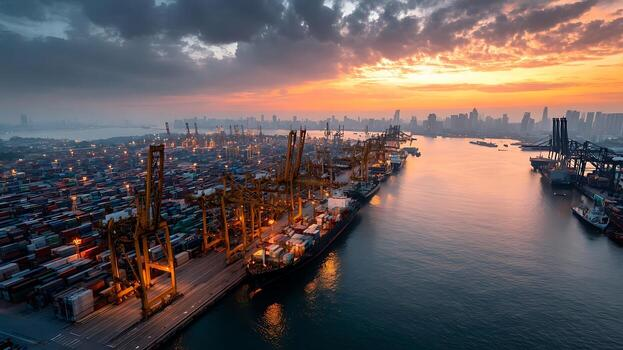
If you’re planning to ship products into Southeast Asia, you’ll quickly realize one thing—Singapore is one of the strictest yet most efficient trade hubs in the world. And that’s not just a saying. The entire system of Singapore import regulations is built to balance speed, safety, and compliance in a way that keeps the country’s trade ecosystem smooth and highly controlled.
Now, here’s the thing… a lot of new importers assume Singapore is “easy” because it’s business-friendly. And yes, it is—but only if you understand how the system works. One small mistake in classification, missing document, or wrong declaration can delay your shipment or even lead to penalties.
When people first search for Singapore import regulations, they usually want simple answers like:
“What can I import?”
“How much tax will I pay?”
“Do I need a license?”
But the reality is deeper than that. The rules cover customs clearance, GST on imports, restricted goods, documentation requirements, HS codes, and even special permits depending on what you’re bringing in.
And it doesn’t matter if you’re a small e-commerce seller, a logistics company, or a large importer—these rules apply to everyone equally.
In this guide, we’re going to break everything down in a very human way. No confusing jargon. No overly technical government language. Just real explanations of Singapore import regulations, how they work in 2026, and what you actually need to do to stay compliant.
So whether you’re importing electronics, food products, textiles, or industrial machinery, this article will help you avoid costly mistakes and understand the full import system in Singapore.
Let’s get into it.
What Are Singapore Import Regulations?
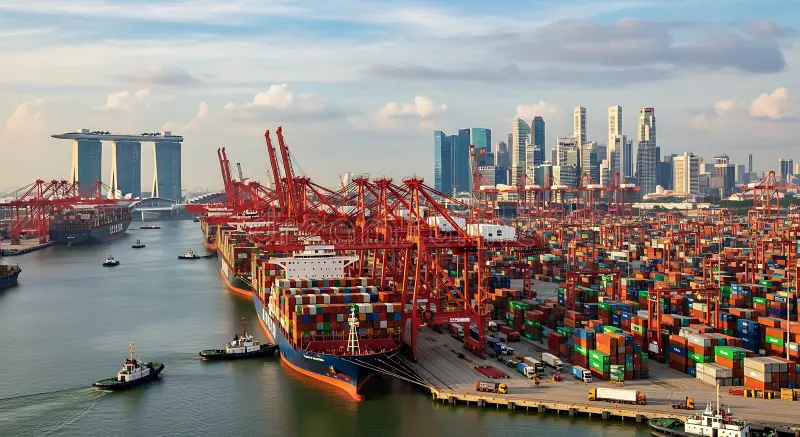
To understand global trade, you really have to start with Singapore. The country is small geographically, but massive in terms of international shipping and logistics. And this is exactly why Singapore import regulations exist—to control, monitor, and facilitate all goods entering the country in an organized way.
At its core, Singapore import regulations are a set of legal requirements enforced by Singapore Customs and related authorities. These rules determine what can be imported, how goods must be declared, what taxes apply, and whether special permits are needed.
Now, when someone hears “regulations,” it sounds complicated. But let’s simplify it.
Imagine every product entering Singapore is checked like a guest entering a highly secure building. Some guests walk in freely, some need ID verification, and some need special approval before entry. That’s basically how imports work.
For example:
- Electronics may require proper HS code classification under Singapore import regulations
- Food items may require health certifications
- Chemicals may require additional safety permits
These rules are not random. They are designed to protect consumers, support fair trade, and ensure tax compliance.
Another important part is documentation. Importers must submit accurate shipping invoices, packing lists, and customs declarations. Even a small mismatch can slow everything down.
The keyword Singapore import regulations also covers digital systems like TradeNet, which is used for electronic customs clearance. Most importers don’t interact manually with customs officers anymore—the system is highly automated.
So in simple words, Singapore import regulations are the backbone of the country’s import system, ensuring everything entering the country is legal, safe, and properly taxed.
Why Singapore Import Regulations Matter
If you’re serious about international trade, ignoring Singapore import regulations is not an option. And here’s why—it directly affects your costs, delivery speed, and even whether your goods get released or held at customs.
Singapore is one of the busiest shipping hubs in the world. That means thousands of containers arrive daily. Without strict rules, the system would collapse into chaos. So the government enforces clear import regulations to keep everything organized.
For businesses, this matters in multiple ways.
First, compliance affects cost. If you incorrectly declare goods under Singapore import regulations, you might overpay or underpay taxes. Either way, you lose money or risk penalties.
Second, it affects timing. A missing document or wrong HS code can delay clearance for days. In logistics, even a 24-hour delay can cause supply chain disruptions.
Third, it affects legal standing. Non-compliance can lead to fines or even bans on importing certain goods.
Now let’s talk about e-commerce sellers. This group is growing fast. Many online sellers importing products from China or other countries often underestimate Singapore import regulations for businesses. They think small shipments are ignored—but that’s not true. Even small parcels are subject to checks.
Another key point is GST. Singapore applies Goods and Services Tax on imports, which is calculated based on CIF value (Cost, Insurance, Freight). This is where many new importers get confused.
And then there’s restricted goods. Items like controlled chemicals, pharmaceuticals, and certain food products require approvals.
So why do these regulations matter so much?
Because they keep trade fair, safe, and predictable. And for businesses, predictability is everything.
Understanding Singapore import regulations is not just about compliance—it’s about building a smooth, scalable import operation that doesn’t get interrupted by avoidable issues.
Types of Singapore Import Regulations and Categories
When people search for Singapore import regulations, they often don’t realize there are multiple layers and categories involved. It’s not just one rule—it’s a structured system covering different types of goods and scenarios.
Let’s break it down in a practical way.
1. General Import Rules
These apply to almost all goods entering Singapore. They include customs declarations, proper documentation, and basic tax requirements under Singapore import regulations customs rules 2026.
2. Restricted Goods Regulations
Some products cannot be freely imported. These require special permits. For example, food, pharmaceuticals, and chemicals often fall under strict control.
3. Prohibited Goods
Certain items are completely banned. These are listed under Singapore trade import restrictions list. Importing such goods can result in legal action.
4. Duty and Tax Regulations
Not all goods are taxed the same way. Some are duty-free, while others require GST or customs duties. Understanding Singapore import GST rules explained is critical here.
5. Licensing Regulations
Certain industries require import licenses. For example, importing controlled electronics or medical equipment.
6. E-Commerce Import Rules
With the rise of online shopping, Singapore has updated rules for small parcel imports. These fall under Singapore e-commerce import rules.
7. Personal Import Allowance
Individuals bringing goods for personal use have different limits under duty-free import limits Singapore.
Each category plays a specific role in ensuring that imports are controlled but not restricted unnecessarily.
So when you think about Singapore import regulations, remember—it’s a layered system, not a single rulebook.
How Singapore Import Clearance Works (Process Explained)
Understanding the clearance process is the most important part of mastering Singapore import regulations. Because even if you know the rules, you still need to understand how things actually move through the system.
Here’s how it typically works.
First, the importer submits a declaration through Singapore’s TradeNet system. This includes details like product description, HS code, invoice value, and shipping information. This step is crucial under Singapore customs declaration process rules.
Next, the system automatically assesses duties and GST. If everything is correct, the declaration is approved almost instantly.
Then comes cargo arrival. Once the shipment reaches Singapore, it is matched with the declaration. If everything aligns, clearance is granted.
But if something doesn’t match—wrong HS code, missing document, or suspicious value—the shipment is flagged for inspection.
Inspection doesn’t always mean delay, but it can add time.
After approval, goods are released to the importer or logistics company.
This entire process is designed to be fast, but accuracy is everything.
Most delays under Singapore import clearance how it works happen due to simple mistakes:
- Incorrect invoice values
- Wrong classification
- Missing permits
And that’s why importers often rely on professionals or freight forwarders who understand Singapore import regulations shipping guidelines deeply.
Duties, Taxes, and Import Costs in Singapore
Cost is one of the biggest concerns for importers, and this is where Singapore import regulations tax system becomes very important.
Singapore applies GST on most imports, currently calculated based on CIF value (Cost + Insurance + Freight). Some goods may also have additional customs duties depending on category.
Under Singapore import GST rules explained, GST is generally applied at the standard rate, but exemptions exist for certain categories.
Let’s break down costs:
- Product cost
- Shipping cost
- Insurance cost
- Customs duty (if applicable)
- GST
All of this combined forms your landed cost.
For example, importing electronics under importing electronics to Singapore rules may only require GST, while alcohol or tobacco has additional duties.
There are also clearance charges from logistics providers, which fall under import clearance charges Singapore.
One thing many beginners don’t realize is that under-declaring value is risky. Singapore Customs has strict monitoring systems under Singapore border import control rules, and penalties can be heavy.
So the smart approach is simple: declare accurately, calculate properly, and plan your pricing accordingly.

Compliance Requirements for Importers
If there’s one thing that separates successful importers from struggling ones, it’s compliance. And Singapore import regulations compliance requirements are very strict but fair.
First, you need proper registration with Singapore Customs. Without this, you cannot legally import goods.
Second, accurate documentation is required for every shipment. This includes invoices, packing lists, permits, and certificates.
Third, businesses must use correct HS codes. This determines duty rates and tax classification under Singapore HS code classification rules.
Fourth, importers must ensure goods meet safety standards, especially for food, electronics, and chemicals.
Fifth, digital submission via TradeNet is mandatory.
Failure to comply can result in penalties under Singapore import penalties and fines regulations.
In short, compliance is not optional—it’s the foundation of the entire import system.
Common Mistakes Importers Make
Even experienced traders sometimes struggle with Singapore import regulations, and most issues come from simple mistakes.
One of the biggest mistakes is incorrect classification. Using the wrong HS code can lead to wrong taxes or shipment delays.
Another common issue is missing permits. Some goods require approvals, and importers often assume they don’t.
Undervaluing goods is another risky mistake. Singapore Customs is very strict about this.
Then there’s poor documentation. Missing or inconsistent invoices can trigger inspections.
Many new importers also ignore Singapore import documentation requirements, thinking small errors won’t matter—but they do.
Avoiding these mistakes is the key to smooth importing.
Comparison with Other Countries
Compared to many countries, Singapore import regulations are actually more streamlined.
For example:
- Faster clearance than most Asian countries
- Highly digitalized system (TradeNet)
- Transparent tax structure
- Strong enforcement but low corruption
However, compared to some Western systems, Singapore is stricter in documentation accuracy.
So while it’s efficient, it demands precision.
Expert Tips for Smooth Importing
If you want to master Singapore import regulations, here are some real-world tips:
- Always double-check HS codes
- Use experienced freight forwarders
- Keep documentation consistent
- Understand product-specific rules
- Plan for GST in advance
These small habits can save you huge costs and delays.
FAQs
1. What are Singapore import regulations?
They are rules governing how goods enter Singapore, including taxes, permits, and customs clearance.
2. Do I need a license to import goods into Singapore?
Some goods require licenses depending on category under Singapore import regulations licensing rules.
3. How is GST calculated on imports?
It is calculated based on CIF value (cost + insurance + freight).
4. What items are restricted in Singapore imports?
Food, chemicals, pharmaceuticals, and controlled goods may require permits.
5. How long does customs clearance take?
If documents are correct, clearance under Singapore import regulations clearance process can be very fast—sometimes within hours.
Conclusion
Understanding Singapore import regulations is not just about avoiding fines—it’s about building a smooth, scalable import business in one of the world’s most important trade hubs.
Whether you are a small seller or a large importer, these rules shape your entire logistics strategy.
If you take time to learn the system, follow compliance steps, and avoid common mistakes, importing into Singapore becomes surprisingly efficient.
And honestly, once you get used to it… it all starts making sense.
If you want help optimizing your import strategy or content for logistics SEO, you can always explore more guides or reach out for expert support.