Starting a business sounds exciting at first. You have the idea, maybe a small team, and that rush of motivation telling you this could actually work. But then reality kicks in. Funding becomes a problem. Office space costs too much. Finding the right mentors feels impossible. And honestly… most founders hit a wall much earlier than expected.
That’s exactly why business incubators Singapore startups rely on have become such a massive part of the country’s entrepreneurial ecosystem.
Singapore has quietly built one of the strongest startup environments in Asia. It’s not just about money anymore. Founders today need mentorship, networking opportunities, investor access, legal guidance, marketing support, and sometimes even emotional support during the difficult early stages. A good incubator can change the direction of an entire startup.
And the interesting thing is — many entrepreneurs still don’t fully understand how these incubators work or which ones are actually worth joining.
Some incubators are designed for tech startups. Others focus on biotech, fintech, AI, sustainability, or SME development. Some are backed by universities while others are funded by government agencies or private venture capital firms. Choosing the wrong one can waste months of your time. Choosing the right one can open doors you never thought possible.
This guide breaks down everything you need to know about business incubators Singapore entrepreneurs trust in 2026. We’ll cover how incubators work, what they cost, the best programs available, major benefits, common mistakes founders make, and practical strategies that actually help startups grow.
If you’re serious about launching or scaling a startup in Singapore, this article will probably save you a lot of trial and error.
What Are Business Incubators Singapore Startups Use?
At the simplest level, business incubators help startups survive the difficult early stage of growth. But honestly, that explanation barely scratches the surface.
The reality is much deeper than just giving startups office space or a few mentoring sessions. Modern business incubators Singapore founders join are built to guide entrepreneurs through some of the hardest business challenges imaginable. These programs often combine funding support, mentorship, investor networking, legal assistance, branding help, operational guidance, and startup training under one ecosystem.
Think of an incubator almost like a controlled environment for young businesses. Instead of building your startup completely alone, you get access to experienced professionals who’ve already gone through the painful lessons most founders face.
Singapore’s startup incubators are especially attractive because the country itself has positioned entrepreneurship as a major economic priority. Government agencies, universities, investors, and multinational companies actively support startup development here.
A typical startup incubator Singapore program may offer:
- Shared office space
- Access to venture capital investors
- Startup grants and funding support
- Mentorship from successful entrepreneurs
- Legal and compliance guidance
- Product development assistance
- Marketing and branding support
- Business networking opportunities
- Training workshops and seminars
- Access to technology labs or testing facilities
Some incubators even provide partnerships with universities, global corporations, or government-backed innovation programs. That creates opportunities many startups simply couldn’t access independently.
And here’s something many new founders misunderstand…
Business incubators are not only for tech companies. While tech startups dominate headlines, Singapore incubators also support healthcare startups, food businesses, logistics companies, sustainability ventures, education startups, and creative businesses.
The goal is usually the same: reduce startup failure rates while helping innovative businesses grow faster.
But not every incubator operates the same way. Some focus heavily on mentoring. Others care more about equity investment. Some are highly selective while others are more accessible for first-time founders.
That’s why understanding the entire incubator landscape matters before applying anywhere.
Why Singapore Became a Global Startup Hub
There’s a reason people from across Asia — and honestly from around the world — look at Singapore when launching startups.
Singapore didn’t accidentally become a startup powerhouse. The country intentionally built an environment where entrepreneurship could thrive.
And it worked.
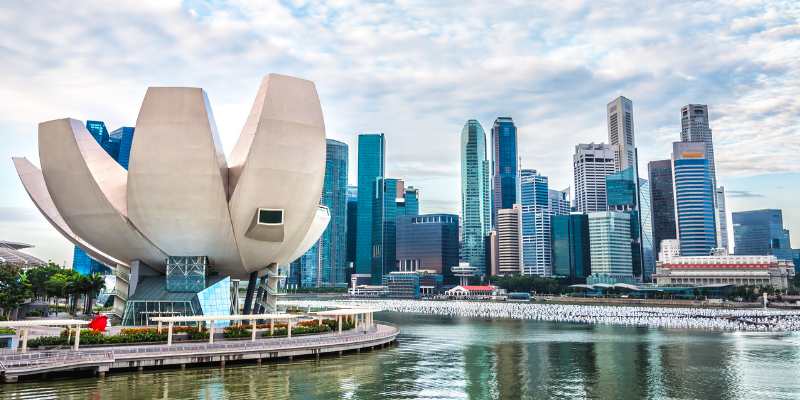
Today, Singapore is considered one of the strongest startup ecosystems globally. Investors trust the market. Regulations are business-friendly. Infrastructure is world-class. And startups gain access to international markets much faster than in many neighboring countries.
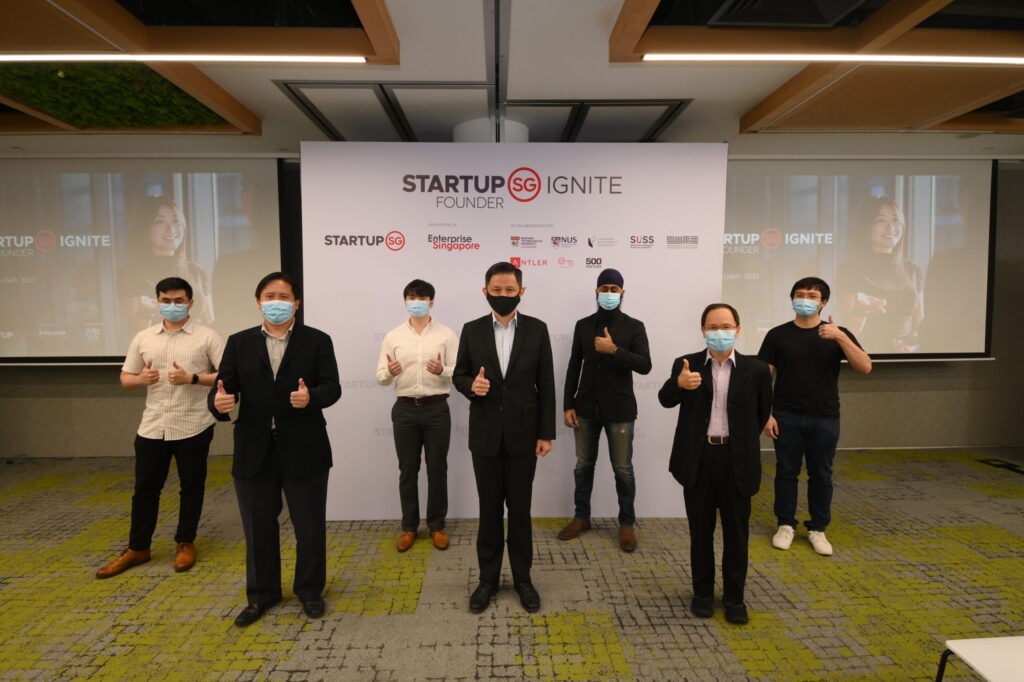
One major reason behind the success of business incubators Singapore offers is the government’s aggressive support for innovation. Agencies like Enterprise Singapore and Startup SG actively invest in entrepreneurship development.
Startup founders in Singapore benefit from:
| Startup Advantage | Why It Matters |
|---|---|
| Strong legal system | Protects businesses and investors |
| Tax incentives | Reduces startup operating burden |
| Global connectivity | Easier expansion into Asia |
| Government grants | Supports early-stage growth |
| Skilled workforce | Easier hiring for startups |
| Investor presence | Access to venture capital |
| Modern infrastructure | Reliable business environment |
Another reason Singapore attracts startups is its strategic location. Companies operating from Singapore can easily expand into Southeast Asia, one of the fastest-growing digital economies in the world.
Many global corporations also operate innovation labs in Singapore. This creates partnerships between startups and enterprise-level companies — something that dramatically increases startup credibility.
And then there’s the cultural shift.
Years ago, entrepreneurship in many Asian societies was viewed as risky or unstable. But Singapore helped normalize startup culture. Today, launching a startup is considered ambitious rather than reckless.
That cultural acceptance fuels the rise of startup incubators Singapore continues to develop every year.
The ecosystem now includes:
- University incubators
- Government-funded incubators
- Corporate innovation hubs
- Venture capital-backed incubators
- Industry-specific startup programs
- AI and fintech incubators
- SME innovation centers
And honestly… the competition is getting intense.
Singapore is no longer just competing regionally. It’s competing globally for startup talent.
That’s why incubators have become more specialized and more valuable than ever before.
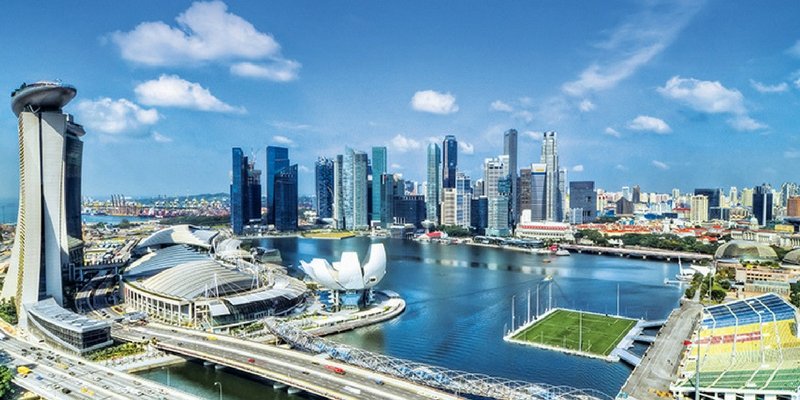
Major Benefits of Joining Startup Incubators Singapore
A lot of entrepreneurs think incubators are mostly about funding.
They’re wrong.
Funding matters, obviously. But the biggest advantage of joining business incubators Singapore founders trust is usually the speed of learning and access to high-level networks.
Startups fail for many reasons. Poor product-market fit. Weak branding. Bad hiring decisions. Running out of cash. Legal mistakes. Scaling too quickly. Lack of mentorship. The list goes on forever.
Incubators help reduce those risks.
One of the biggest hidden advantages is avoiding beginner mistakes before they become expensive disasters. Experienced mentors can often spot problems long before founders notice them.
That alone can save months of wasted effort.
Another huge benefit is credibility. Being accepted into a respected startup incubator Singapore program immediately improves investor perception. It signals that your startup passed at least some level of professional evaluation.
This becomes extremely important during fundraising.
Here are some of the biggest benefits startups gain:
Access to Investors
Many incubators have direct relationships with angel investors, venture capital firms, and government funding programs. Startups inside these ecosystems often get introductions much faster than independent founders.
And investor trust matters a lot more than most people realize.
Mentorship and Guidance
Founders frequently underestimate how emotionally difficult startup building can become. Having experienced mentors provides strategic clarity during chaotic periods.
Some mentors help with:
- Growth strategies
- Pricing models
- Market validation
- Hiring decisions
- Scaling operations
- Product development
- International expansion
Lower Startup Costs
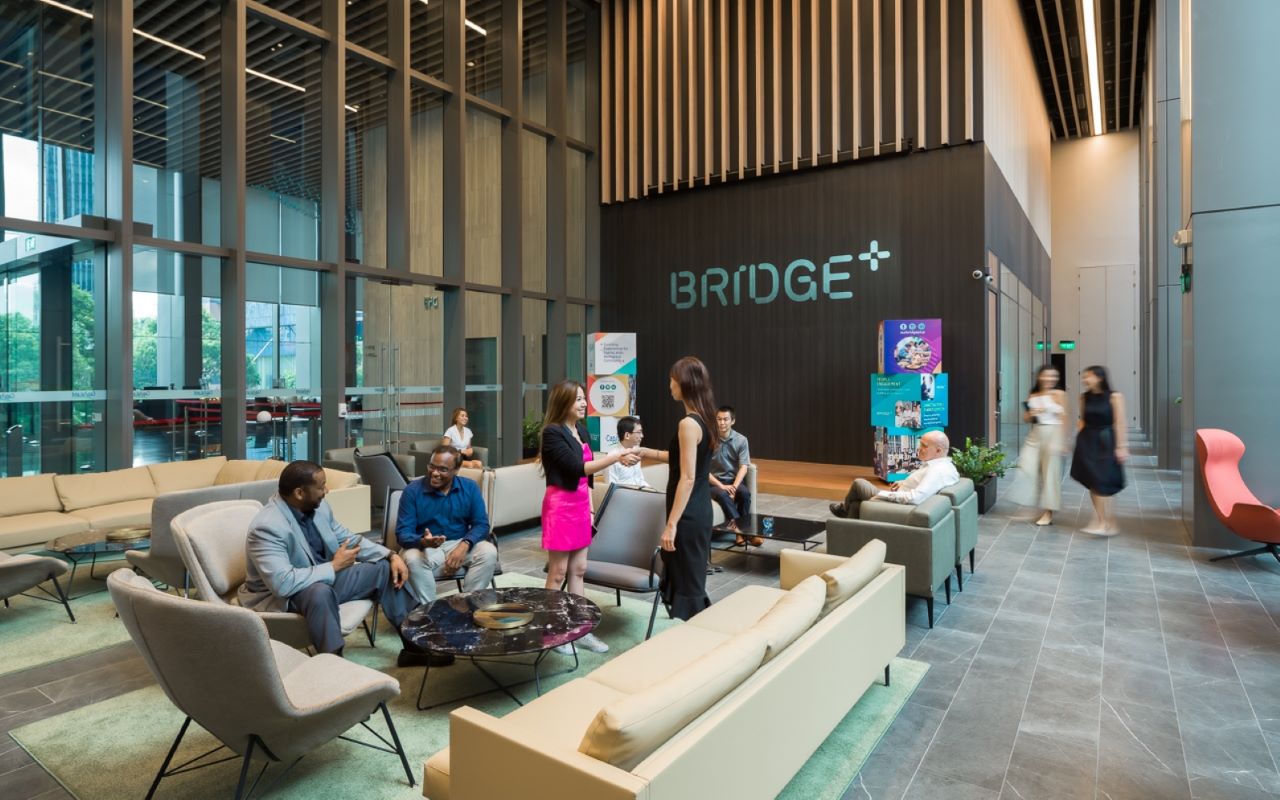
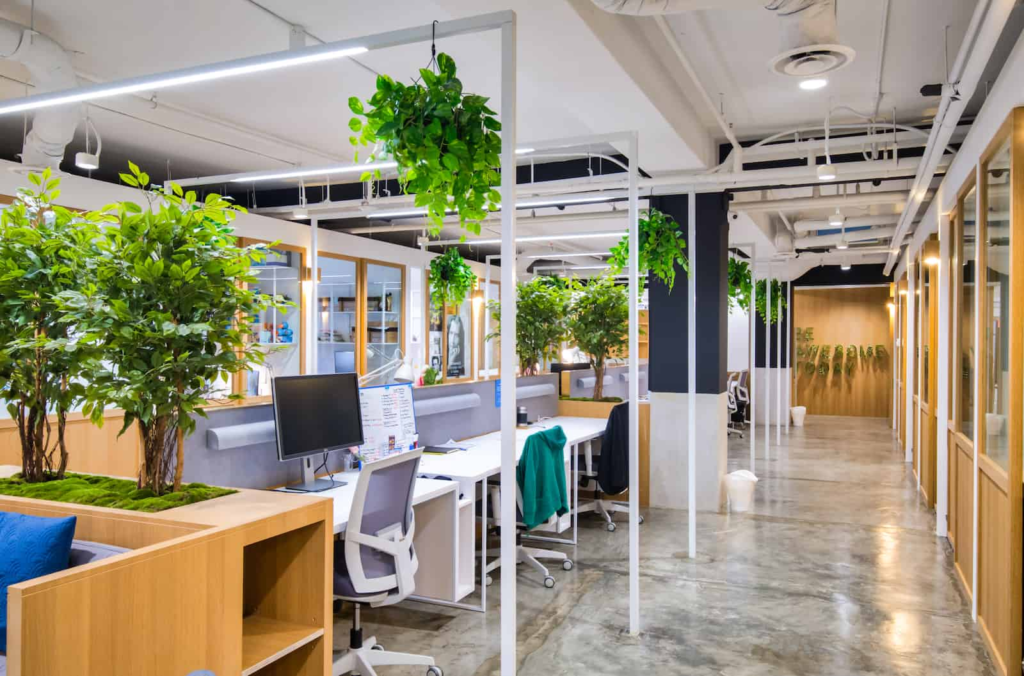
Office space in Singapore can be expensive. Many incubators provide affordable workspaces, shared facilities, internet access, meeting rooms, and operational support.
This lowers overhead during early growth stages.
Networking Opportunities
Startup ecosystems run heavily on relationships.
Incubators connect founders with:
- Investors
- Corporate partners
- Potential customers
- Other startup founders
- Technology experts
- Legal advisors
- Marketing specialists
Sometimes a single networking connection completely changes a startup’s future.
Faster Market Entry
The startup learning curve is brutal. Incubators compress that learning process dramatically. Instead of figuring everything out independently, startups gain structured guidance.
This speeds up execution.
And speed matters because markets move fast.
Especially in industries like AI, fintech, SaaS, and e-commerce.
Different Types of Business Incubators in Singapore
Not all incubators are built for the same purpose. That’s one of the biggest misconceptions new entrepreneurs have when researching startup programs.
Some founders apply randomly without understanding the incubator’s focus area. That’s usually a mistake.
The best business incubators Singapore startups choose often align closely with their industry, growth stage, or business model.
Here are the main types of startup incubators available in Singapore today.

Technology Startup Incubators
These are probably the most common. Tech incubators focus on software startups, SaaS businesses, AI companies, cybersecurity ventures, fintech startups, and digital platforms.
Most tech incubators provide:
- Product development support
- Investor access
- Software mentorship
- Technical partnerships
- Scaling strategies
Singapore’s tech ecosystem continues growing rapidly, making these incubators highly competitive.
University Startup Incubators
Several universities in Singapore run entrepreneurship programs and innovation labs.
These incubators support:
- Student entrepreneurs
- Research commercialization
- Academic innovation
- Early-stage startup ideas
University incubators are often ideal for first-time founders who need structured support.
Government-Backed Incubators
Government-supported startup incubators Singapore entrepreneurs use are designed to strengthen the national innovation economy.
These programs may provide:
- Startup grants
- Subsidized workspaces
- Funding assistance
- International expansion support
- Industry partnerships
Government-backed programs tend to focus heavily on long-term sustainability.
Corporate Innovation Incubators
Large corporations increasingly run startup incubator programs to discover innovative technologies.
These incubators allow startups to:
- Partner with enterprise companies
- Access corporate clients
- Test products in real business environments
- Secure pilot projects
And honestly, these partnerships can accelerate startup credibility extremely fast.
Industry-Specific Incubators
Some incubators specialize in sectors like:
- Biotech
- Healthcare
- Sustainability
- Fintech
- Artificial intelligence
- Green energy
- Logistics
- Education technology
Specialized incubators usually offer deeper industry expertise than general startup programs.
That can make a huge difference for founders working in highly technical industries.
How Business Incubators Singapore Programs Work
Most startup founders imagine business incubators singapore as simple office-sharing environments. But modern incubator programs are far more structured than that.
While every program differs slightly, most business incubators Singapore startups join follow a relatively similar process.
The first stage is usually the application process.
Founders submit:
- Business plans
- Pitch decks
- Market analysis
- Team information
- Financial projections
- Product demonstrations
Some incubators also conduct interviews or startup pitching sessions.
Selection criteria usually include:
- Market potential
- Innovation level
- Scalability
- Team quality
- Revenue potential
- Competitive advantage
Once accepted, startups enter a structured support environment.
Onboarding and Startup Evaluation
Most incubators begin with startup assessments. Mentors analyze the company’s current position, strengths, weaknesses, and market readiness.
This helps build customized growth plans.
Mentorship Programs
Mentorship is often the core of startup incubators Singapore founders value most.
Regular mentorship sessions may cover:
- Customer acquisition
- Product positioning
- Financial planning
- Branding strategies
- Investor preparation
- Scaling challenges
Mentors often include:
- Successful entrepreneurs
- Investors
- Industry specialists
- Corporate executives
Workshops and Training
Incubators typically run educational sessions covering:
- Startup finance
- Marketing
- Leadership
- Legal compliance
- Product-market fit
- Pitch training
These workshops help founders avoid costly beginner errors.
Funding and Investor Access
Some incubators directly invest in startups. Others connect companies with angel investors or venture capital firms.
Funding structures vary:
- Equity-based investment
- Grant funding
- Convertible notes
- Non-equity startup support
And yes… some business incubators singapore take equity in exchange for support.
That’s why founders must review terms carefully.
Demo Days and Networking Events
Many business incubators singapore host demo days where startups present to investors and corporate partners.
This exposure can lead to:
- Funding opportunities
- Strategic partnerships
- Media attention
- Customer acquisition
For some startups, demo days become turning points.
Government Support for Startup Incubators Singapore
Singapore’s government plays a massive role in the startup ecosystem. Honestly, it’s difficult to discuss business incubators Singapore offers without discussing government involvement.
Unlike many countries where startups struggle independently, Singapore actively invests in entrepreneurship development.
That support changes everything.
Programs like Startup SG, Enterprise Singapore, and various innovation initiatives provide financial and operational support for startups across multiple industries.
One major advantage is startup grants.
Singapore offers grants for:
- Product development
- Research and innovation
- International expansion
- Technology adoption
- Talent acquisition
This reduces financial pressure during early growth stages.
Government-supported incubators also create stronger investor confidence because startups are operating within credible ecosystems.
Some well-known support initiatives include:
| Program | Main Purpose |
|---|---|
| Startup SG | Startup ecosystem support |
| Enterprise Singapore | Business growth assistance |
| SGInnovate | Deep tech startup development |
| IMDA Programs | Digital innovation support |
| NRF Initiatives | Research commercialization |
Another important factor is collaboration.
Singapore’s startup ecosystem works because government agencies collaborate closely with:
- Universities
- Venture capital firms
- Multinational corporations
- Research institutions
- Startup communities
That interconnected structure creates opportunities startups rarely find elsewhere.
And there’s another subtle advantage…
Singapore’s regulatory environment is relatively startup-friendly. Business registration processes are efficient, intellectual property laws are strong, and international investors feel secure operating here.
All of this strengthens startup incubator ecosystems further.
For entrepreneurs entering Singapore’s startup world, government-backed support can significantly increase survival chances during the risky early stages.
Best Business Incubators Singapore Entrepreneurs Should Know
Not every incubator delivers the same value. Some are exceptional. Others honestly offer little beyond basic networking.
So which business incubators Singapore startups should actually pay attention to?
Here are some of the strongest and most recognized incubator programs operating in Singapore today.
SGInnovate
SGInnovate focuses heavily on deep technology startups including AI, biotech, robotics, and advanced engineering.
The organization supports:
- Deep tech funding
- Talent development
- Research commercialization
- Investor networking
This incubator is especially strong for highly technical startups.
BLOCK71
BLOCK71 has built a strong reputation within Singapore’s startup ecosystem. It supports early-stage startups through mentorship, networking, and workspace solutions.
Many successful startups began their journey here.
BLOCK71 also connects startups with international expansion opportunities.
NUS Enterprise
Connected to the National University of Singapore, NUS Enterprise helps student entrepreneurs and innovation-driven startups.
The incubator provides:
- Startup mentorship
- Entrepreneurship education
- Investor access
- International startup exposure
University-linked incubators often create excellent long-term networking opportunities.
JTC LaunchPad
LaunchPad Singapore acts almost like a startup ecosystem within a startup ecosystem.
It houses:
- Startup companies
- Venture capital firms
- accelerators
- incubators
- innovation labs
The environment encourages collaboration between entrepreneurs and investors.
ACE Startups
Action Community for Entrepreneurship (ACE) helps startups through mentorship, partnerships, and business support programs.
ACE focuses heavily on startup growth and ecosystem development.
FinLab
FinLab specializes in fintech startup incubation and digital innovation.
It’s particularly valuable for:
- Financial technology startups
- Digital banking innovation
- AI financial tools
- payment solutions
And because Singapore is a fintech powerhouse, these business incubators singapore attract strong investor interest.
Business Incubators vs Startup Accelerators Singapore
People constantly confuse incubators and accelerators.
They sound similar. They sometimes overlap. But they’re not the same thing.
Understanding the difference matters when evaluating business incubators Singapore startups can join.
Business Incubators
Incubators typically support very early-stage startups. Sometimes founders only have ideas or prototypes when joining.
Incubators focus on:
- Idea development
- Business validation
- Mentorship
- Long-term growth support
- Startup education
Programs are often flexible and may last several months or longer.
Startup Accelerators
Accelerators focus more on scaling businesses that already have traction.
These programs are:
- Faster-paced
- Highly competitive
- Growth-focused
- Investor-driven
Accelerators often end with demo days where startups pitch investors.
Main Differences
| Incubator | Accelerator |
|---|---|
| Early-stage support | Growth-stage scaling |
| Longer duration | Short intensive programs |
| Idea development | Rapid expansion |
| Flexible structure | Strict milestones |
| Mentorship-heavy | Investor-heavy |
Some startups actually move from incubators into accelerators later.
That’s becoming increasingly common in Singapore’s startup ecosystem.
And honestly… founders shouldn’t rush into accelerators too early. Without proper product validation, scaling aggressively can destroy startups faster.
Costs and Pricing of Incubator Programs
A common question entrepreneurs ask is whether business incubators singapore are expensive.
The answer depends entirely on the incubator model.
Some business incubators Singapore founders join are government-subsidized or university-backed, making them relatively affordable. Others may take equity stakes instead of charging direct fees.
Typical pricing structures include:
Equity-Based Models
Some incubators invest capital into startups in exchange for equity ownership.
For example:
- 5% to 10% equity stakes
- Seed funding packages
- Convertible investment agreements
This model aligns incubator success with startup success.
Membership Fees
Other incubators charge:
- Monthly workspace fees
- Program participation fees
- Training access fees
These are often lower than traditional office rental costs.
Hybrid Models
Some incubators combine:
- Small equity stakes
- Workspace fees
- Additional service charges
Founders must carefully evaluate long-term implications before agreeing.
Government Subsidies
Government-backed business incubators singapore entrepreneurs use may offer:
- Subsidized office space
- Startup grants
- Financial assistance
- mentorship funding
This significantly reduces startup expenses.
Typical Cost Range
| Incubator Type | Estimated Cost |
|---|---|
| Government-backed | Low or subsidized |
| University incubators | Affordable |
| Private incubators | Medium to high |
| Equity-based programs | Equity exchange |
| Corporate incubators | Often partnership-based |
And here’s something important…
The cheapest incubator is not always the best option. Sometimes paying more for stronger mentorship or investor access delivers far greater long-term value.
How to Choose the Right Startup Incubator
Choosing an incubator randomly is one of the worst decisions founders make.
A weak incubator wastes time. A strong one can completely change your startup trajectory.
When evaluating business incubators Singapore startups should focus on several factors beyond marketing hype.
Industry Alignment
Does the incubator understand your industry?
A biotech startup and an e-commerce company need completely different support systems. Specialized business incubators singapore usually provide more relevant mentorship and investor access.
Mentor Quality
Look beyond flashy branding.
Research:
- Mentor backgrounds
- Startup success stories
- Industry expertise
- Investor networks
Experienced mentors matter more than fancy offices.
Funding Opportunities
Some incubators are much stronger at connecting startups with investors.
Ask:
- What funding access exists?
- Which investors attend demo days?
- How many startups secured funding previously?
Alumni Success
Past startup results reveal a lot.
Strong incubators usually showcase:
- Startup exits
- funding rounds
- growth metrics
- international expansion stories
Network Strength
The best business incubators singapore founders join often provide ecosystem access rather than just office space.
Strong networks include:
- Investors
- Corporate partners
- government agencies
- media connections
- international expansion channels
Program Structure
Some founders need flexibility. Others need strict accountability.
Choose programs matching your startup stage and working style.
Expert Tips for Getting Accepted Into Incubators
Competition for top business incubators singapore is intense now. Thousands of founders apply every year.
So how do startups stand out?
Here are practical strategies entrepreneurs can use when applying to business incubators Singapore programs.
Validate Your Market First
Incubators rarely want raw ideas anymore.
Show:
- customer feedback
- market demand
- pilot users
- early traction
- revenue potential
Even small validation signals improve acceptance chances dramatically.
Build a Strong Founding Team
Investors and business incubators singapore care heavily about founder quality.
A balanced startup team often includes:
- technical expertise
- business strategy
- marketing skills
- operational capability
Solo founders face tougher evaluation.
Create a Clear Pitch Deck
Messy presentations kill applications quickly.
Your pitch should clearly explain:
- the problem
- your solution
- market size
- business model
- competitive advantage
- growth strategy
Keep it sharp and realistic.
Demonstrate Scalability
Incubators prioritize startups capable of scaling regionally or globally.
Show how your business can grow beyond a small niche market.
Research Each Incubator
Tailor applications carefully.
Generic applications usually fail because business incubators singapore can immediately tell when founders didn’t research the program properly.
Mistakes Startups Should Avoid
Startup incubators help businesses grow — but founders still make serious mistakes.
And honestly, some mistakes are surprisingly common.
Joining the Wrong Incubator
Some founders choose business incubators singapore based only on branding or office aesthetics.
That’s dangerous.
Industry alignment matters far more.
Ignoring Mentorship
Many founders become defensive during feedback sessions.
Bad move.
Mentorship is one of the biggest reasons incubators exist in the first place.
Chasing Funding Too Early
Not every startup should aggressively pursue investment immediately.
Weak product-market fit combined with rapid funding pressure can destroy startups fast.
Overestimating Market Demand
Founders often assume their idea is automatically valuable.
Real validation matters more than personal excitement.
Poor Networking
Startup ecosystems operate heavily through relationships.
Founders who isolate themselves inside business incubators singapore usually lose major opportunities.
Weak Financial Planning
Cash flow kills startups constantly.
Even promising businesses collapse due to poor financial management.
Future Trends in Singapore’s Startup Ecosystem
Singapore’s startup landscape keeps evolving rapidly.
The future of business incubators Singapore entrepreneurs use will likely become even more specialized and globally connected.
Several major trends are already shaping the ecosystem.
AI Startup Growth
Artificial intelligence startups are exploding across Singapore.
AI-focused incubators now support:
- machine learning startups
- automation platforms
- enterprise AI tools
- generative AI companies
Investor demand in this sector remains extremely strong.
Sustainability Innovation
Green startups are gaining momentum.
Singapore increasingly supports:
- clean energy innovation
- carbon reduction technology
- sustainable logistics
- climate-focused startups
Expect sustainability incubators to grow significantly.
Deep Tech Expansion
Deep tech startups require specialized infrastructure and mentorship.
Future business incubators singapore will likely focus more on:
- robotics
- advanced biotech
- semiconductor innovation
- cybersecurity
- quantum technology
International Startup Collaboration
Singapore is positioning itself as a global startup gateway.
More business incubators singapore now support:
- international founder relocation
- cross-border expansion
- regional partnerships
- global investor networks
And honestly… this trend will probably accelerate.
Hybrid Work and Virtual Incubation
Physical office space matters less than before.
Virtual incubators and hybrid startup programs are becoming increasingly common, allowing founders worldwide to participate remotely.

FAQs About Business Incubators Singapore
What are business incubators Singapore startups use?
Business incubators are organizations that support startups through mentorship, funding access, workspace solutions, networking, and operational guidance during early growth stages.
Are startup incubators in Singapore free?
Some government-backed incubators offer subsidized programs, while others charge fees or take startup equity in exchange for support and investment.
What is the difference between an incubator and an accelerator?
Incubators focus on early-stage startup development, while accelerators help more mature startups scale rapidly within shorter programs.
Can foreign entrepreneurs join Singapore incubators?
Yes. Many business incubators singapore offers actively welcome international founders, especially innovative technology startups.
Which industries are popular in Singapore incubators?
Popular sectors include fintech, AI, biotech, cybersecurity, sustainability, SaaS, healthcare, and logistics technology.
Do incubators provide funding?
Some business incubators singapore directly invest in startups, while others connect founders with angel investors, venture capital firms, or government grants.
How long do incubator programs last?
Programs vary widely. Some last a few months while others provide long-term startup support for one year or more.
Final Thoughts
Building a startup is exciting… but it’s also brutally difficult.
That’s why the rise of business incubators Singapore entrepreneurs trust has become such an important part of the country’s innovation economy. These business incubators singapore provide far more than office space or occasional mentoring sessions. They create ecosystems where founders gain access to funding, strategic guidance, partnerships, and real opportunities for long-term growth.
Singapore’s startup environment continues becoming more competitive every year. Investors expect stronger business models. Markets evolve faster. Technology changes constantly. Founders trying to navigate all of this completely alone usually face an uphill battle.
A strong incubator can reduce that pressure significantly.
But choosing the right incubator matters just as much as joining one. Founders should carefully evaluate mentorship quality, industry specialization, investor access, program structure, and long-term value before applying anywhere.
And honestly, startup success still depends heavily on execution. Even the best incubator cannot save a startup with poor leadership, weak validation, or unrealistic expectations.
Still… for entrepreneurs serious about building scalable businesses in Asia, Singapore remains one of the best startup ecosystems in the world.
If you’re planning to launch, scale, or invest in a startup, now is probably the perfect time to explore the opportunities Singapore’s incubator landscape offers.
The ecosystem is growing fast — and the founders who move early often gain the biggest advantages.