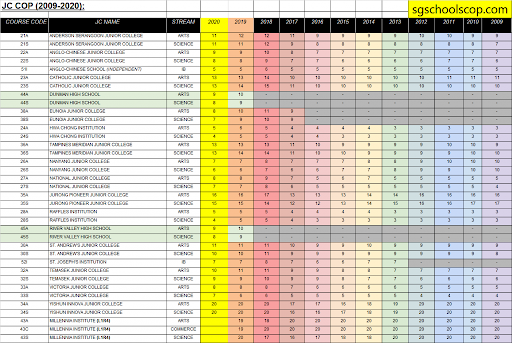

Choosing the right educational institution is one of the most important decisions for students. Before applying, many students want to understand the latest SP cut off points and how they affect admission opportunities. These cut off points help institutions select qualified candidates while ensuring that available spaces are filled by students who meet academic requirements.
Understanding SP cut off points can significantly improve your chances of successful admission. In this guide, you will learn what cut off points mean, how they are calculated, factors that influence them, admission requirements, and practical strategies to strengthen your application.
Whether you are applying for a competitive program or exploring your options, this article provides the information you need to make informed decisions.
What Are SP Cut Off Points?
SP cut off points refer to the minimum academic score or grade required for admission into a specific institution or program. These scores act as a benchmark during the selection process.
Admission offices use cut off points to determine which applicants meet the required academic standards. Students who achieve scores above the threshold generally have a stronger chance of receiving admission offers.
Several factors influence these admission benchmarks, including:
- Number of applicants
- Available program seats
- Academic performance trends
- Course popularity
- Institutional admission policies
As a result, SP cut off points may vary from year to year.
Why Cut Off Points Matter
Cut off points play a vital role in the admission process because they:
- Ensure fair candidate selection
- Maintain academic standards
- Help institutions manage enrollment
- Guide students during application planning
Understanding these benchmarks allows applicants to focus on realistic program choices and prepare effectively.
How SP Cut Off Points Are Determined
Many students assume that admission scores are fixed permanently. However, institutions typically review them annually.
Several important factors contribute to determining SP cut off points.
Number of Applicants
Programs that receive a large number of applications often have higher cut off points. Increased competition means institutions can select students with stronger academic records.
Available Spaces
Programs with limited seats generally require higher scores. When demand exceeds capacity, admission standards become more competitive.
Academic Performance Trends
Institutions review the overall performance of applicants each year. If average scores increase, cut off points may also rise.
Program Popularity
Certain courses consistently attract more applicants. Popular programs often maintain stricter admission requirements due to higher demand.
Because these factors change regularly, students should always check the latest admission updates before applying.
SP Admission Requirements Beyond Cut Off Points
Although SP cut off points are important, they are rarely the only factor considered during admissions.
Most institutions evaluate multiple criteria to assess applicants comprehensively.
Common admission requirements include:
- Academic transcripts
- Examination results
- Subject-specific qualifications
- Personal statements
- Interviews
- Entrance examinations
- Supporting documents
Meeting the minimum cut off score does not always guarantee admission. Strong applications often demonstrate both academic achievement and overall readiness for the chosen program.
Academic Qualifications
Applicants should ensure they satisfy all subject prerequisites. Some programs require strong performance in specific subjects such as mathematics, science, or language studies.
Supporting Documentation
Admission officers often review documents that verify academic history and eligibility. Missing documents can delay or negatively affect an application.
Preparing these materials early helps streamline the admission process.
Factors That Can Affect SP Cut Off Points
Every admission cycle is unique. Consequently, SP cut off points can increase or decrease depending on changing circumstances.
Several key influences include:
Increased Competition
When more students apply, institutions may raise admission thresholds to manage demand effectively.
New Academic Programs
The introduction of new courses can redistribute applicants across different programs. This may affect admission requirements for existing programs.
Changes in Educational Policies
Government regulations and institutional policies occasionally influence admission criteria.
Economic and Social Trends
Career opportunities and industry demand often impact program popularity. Courses linked to growing industries may attract more applicants, resulting in higher cut off points.
Understanding these influences helps students anticipate changes and prepare strategically.
How to Improve Your Chances of Meeting SP Cut Off Points
Students cannot control admission benchmarks, but they can strengthen their applications.
The following strategies can significantly improve admission prospects.
Focus on Academic Excellence
Consistent academic performance remains the most effective way to meet competitive requirements.
Students should:
- Create a study schedule
- Review lessons regularly
- Seek help when needed
- Practice past examination questions
Strong academic habits often produce better results over time.
Choose Subjects Carefully
Selecting subjects aligned with your intended program can improve eligibility and competitiveness.
Research program prerequisites before making academic decisions.
Apply Early
Early preparation allows applicants to gather documents, review requirements, and avoid last-minute mistakes.
Many successful applicants begin planning several months before admission deadlines.
Explore Multiple Programs
Rather than relying on a single option, consider several programs that match your qualifications and interests.
This approach increases your opportunities for admission.
Common Mistakes Students Make When Evaluating SP Cut Off Points
Many applicants misunderstand how admission benchmarks work.
Avoiding common mistakes can save time and reduce disappointment.
Assuming Last Year’s Scores Will Remain the Same
Historical data can provide guidance, but future cut off points may change significantly.
Always review current admission information.
Ignoring Program Requirements
Meeting the minimum score alone may not satisfy all eligibility conditions.
Applicants should carefully examine prerequisite subjects and additional requirements.
Applying Only to Highly Competitive Courses
While ambition is important, balancing aspirations with realistic options improves admission success.
Waiting Until Deadlines Approach
Late preparation often leads to incomplete applications and missed opportunities.
Planning ahead remains one of the most effective admission strategies.
Understanding Competitive Programs and Admission Trends
Some academic programs consistently attract exceptional numbers of applicants.
Examples often include:
- Business studies
- Engineering
- Computer science
- Health sciences
- Information technology
These programs frequently maintain higher SP cut off points because demand exceeds available spaces.
Students interested in competitive fields should focus on maximizing academic performance and strengthening all aspects of their application.
Monitoring Admission Trends
Tracking admission trends can provide valuable insights.
Students should:
- Review previous admission data
- Follow institutional announcements
- Attend admission information sessions
- Consult academic advisors
Although trends cannot predict future scores with certainty, they can support informed decision-making.
Preparing for Future Admission Success
Long-term preparation often produces the best results.
Students who begin planning early generally have more opportunities to improve their qualifications.
Important preparation steps include:
- Setting academic goals
- Monitoring progress regularly
- Participating in relevant extracurricular activities
- Seeking mentorship from teachers and counselors
- Staying informed about admission updates
By taking a proactive approach, students can position themselves more competitively regardless of future changes in SP cut off points.
Frequently Asked Questions About SP Cut Off Points
1. What are SP cut off points?
SP cut off points are the minimum academic scores required for admission into specific programs or institutions.
2. Do SP cut off points change every year?
Yes. Admission benchmarks often change based on applicant numbers, program popularity, and institutional requirements.
3. Can I gain admission if I meet the exact cut off point?
Meeting the minimum score improves eligibility, but admission may still depend on competition and additional requirements.
4. How can I improve my chances of meeting SP cut off points?
Focus on academic performance, meet prerequisite requirements, prepare early, and consider multiple program options.
5. Are cut off points the only admission requirement?
No. Institutions may also evaluate transcripts, subject qualifications, interviews, entrance examinations, and supporting documents.
Conclusion
Understanding SP cut off points is essential for students planning their academic future. These admission benchmarks help institutions select qualified candidates while maintaining educational standards. However, successful admission depends on more than simply meeting minimum requirements.
Students should focus on strong academic performance, understand program prerequisites, prepare application materials early, and stay informed about changing admission trends. By taking a strategic approach, applicants can improve their chances of securing admission into their preferred programs.
As admission requirements continue to evolve, keeping track of the latest SP cut off points remains an important step in the application journey. Start preparing today, research your options carefully, and position yourself for future academic success.