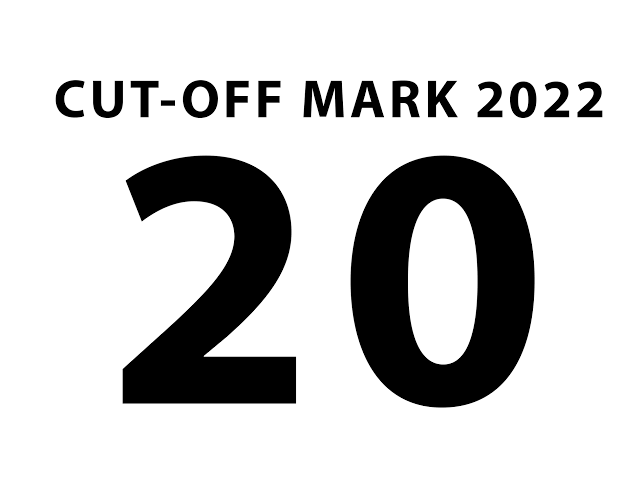

The cut off point 2021 JC is one of the most important factors students consider when selecting a Junior College (JC) in Singapore. Every year, students completing their O-Level examinations use JC cut-off points to assess their chances of admission into their preferred schools.
A cut-off point reflects the score of the last successful student admitted into a particular JC course or stream. Lower scores generally indicate higher competition and stronger academic demand.
In this guide, you will learn everything about the cut off point 2021 JC, including the complete list of Junior Colleges, Arts and Science stream requirements, admission trends, and practical tips for choosing the right institution. Whether you are a student or parent, this article will help you make informed decisions.
What Is the Cut Off Point 2021 JC?
The cut off point 2021 JC refers to the admission benchmark used during the Joint Admissions Exercise (JAE) for Junior College placements.
A JC cut-off point represents the net aggregate score of the last student admitted into a particular stream.
For example:
- Lower COP indicates higher competition.
- Higher COP indicates broader admission opportunities.
- Arts and Science streams may have different COPs.
- Popular schools often have stricter requirements.
Students use these figures to estimate their chances of entering their preferred colleges.
Why JC Cut-Off Points Matter
The cut-off point helps students:
- Create realistic school choices.
- Compare different colleges.
- Understand admission competitiveness.
- Plan future academic pathways.
- Reduce uncertainty during JAE applications.
Therefore, understanding the cut off point 2021 JC is essential for making smart educational decisions.
Complete Cut Off Point 2021 JC List
The following table shows the official 2021 Junior College admission cut-off points for both Arts and Science streams.
| Junior College | Arts | Science |
|---|---|---|
| Hwa Chong Institution | 5 | 4 |
| Raffles Institution | 5 | 4 |
| Nanyang JC | 6 | 6 |
| Eunoia JC | 8 | 7 |
| National JC | 8 | 7 |
| Victoria JC | 8 | 7 |
| River Valley High School | 9 | 8 |
| Anglo-Chinese JC | 9 | 8 |
| Dunman High School | 9 | 8 |
| Temasek JC | 9 | 9 |
| St Andrew’s JC | 11 | 10 |
| Anderson Serangoon JC | 11 | 11 |
| Tampines Meridian JC | 13 | 13 |
| Catholic JC | 13 | 13 |
| Jurong Pioneer JC | 16 | 15 |
| Yishun Innova JC | 19 | 20 |
These figures provide valuable insight into the competitiveness of each institution.
Top Junior Colleges Based on Cut-Off Scores
Several schools consistently attract high-performing students due to their academic reputation and strong university placement records.
Hwa Chong Institution
With Science COP 4 and Arts COP 5, Hwa Chong remained among Singapore’s most competitive colleges in 2021.
Key strengths include:
- Strong academic culture
- Leadership development
- Extensive co-curricular opportunities
- Excellent university placements
Raffles Institution
Raffles Institution shared identical cut-off scores with Hwa Chong Institution.
Students often choose RI for:
- Prestigious academic environment
- Research opportunities
- Broad subject offerings
- Strong alumni network
Nanyang Junior College
Nanyang JC achieved an impressive COP of 6 for both streams.
The college is known for:
- Consistent A-Level performance
- Student-focused support
- Strong Science departments
- Active campus culture
Arts vs Science Stream Cut-Off Points
One noticeable feature of the cut off point 2021 JC data is the difference between Arts and Science admissions.
Science Stream Trends
Science streams generally attract more applicants.
Reasons include:
- Popularity of STEM careers
- Engineering pathways
- Medical aspirations
- Technology-related opportunities
As a result, Science COPs are often lower than Arts COPs.
Arts Stream Trends
Arts streams remain highly competitive in leading institutions.
Students interested in:
- Law
- Humanities
- Social sciences
- Communications
often choose Arts pathways.
Despite lower demand compared to Science, top JCs maintain strict Arts admission standards.
Which Stream Should You Choose?
Consider:
- Personal interests
- Subject strengths
- Career goals
- University aspirations
Selecting a stream solely based on cut-off points may not produce the best long-term outcome.
Factors Influencing JC Cut-Off Points
Many students assume cut-off points remain stable each year. However, several factors influence annual changes.
Student Demand
Popular schools receive more applications.
Higher demand often leads to:
- Lower COPs
- Increased competition
- More selective admissions
Cohort Performance
When students perform exceptionally well in O-Levels, cut-off scores may shift.
Strong national results can:
- Increase competition
- Push COPs downward
- Affect admission trends
Available Vacancies
Each JC has a limited number of places.
Changes in:
- Intake size
- Programme offerings
- Policy adjustments
can affect admission scores.
Understanding these factors helps students interpret the cut off point 2021 JC more accurately.
How to Use JC Cut-Off Points Effectively
Many students misuse cut-off point data when selecting colleges.
Instead of focusing only on prestige, evaluate schools holistically.
Compare Multiple Factors
Consider:
- Location
- Subject combinations
- School culture
- Co-curricular activities
- Academic support
Create a Balanced Choice List
A strong application strategy includes:
- Dream schools
- Realistic options
- Safe choices
This approach increases placement success.
Visit Open Houses
Open houses provide valuable insights into:
- Teaching styles
- Campus facilities
- Student life
- Academic expectations
Combining these observations with the cut off point 2021 JC data creates a more informed decision.
Historical Trends and Future Predictions
Looking at historical COP trends helps students understand how admission standards evolve.
Several top JCs have maintained strong competitiveness for years.
Common patterns include:
- Stable rankings among elite institutions
- Small annual COP changes
- Increased competition for popular schools
- Growing interest in specialized programmes
Future cut-off points will continue to depend on student demand and national examination performance.
Therefore, students should use historical data as guidance rather than absolute prediction.
Tips for Students Applying to Junior Colleges
Focus on Academic Fit
Choose a school that aligns with your strengths and goals.
Research School Culture
Every JC offers a unique environment.
Ask questions about:
- Teaching style
- Student support
- Academic workload
- Campus activities
Plan Beyond Admission
Remember that admission is only the beginning.
Consider:
- A-Level preparation
- University pathways
- Career aspirations
- Personal development opportunities
The best school is not always the one with the lowest cut-off score.
Frequently Asked Questions
1. What does cut off point 2021 JC mean?
It refers to the score of the last student admitted into a specific Junior College stream during the 2021 Joint Admissions Exercise.
2. Which JC had the lowest cut-off point in 2021?
Hwa Chong Institution and Raffles Institution recorded the lowest Science COP of 4 and Arts COP of 5.
3. Are Science stream cut-off points usually lower?
Yes. Science streams often attract more applicants, resulting in lower and more competitive admission scores.
4. Can JC cut-off points change every year?
Yes. Student demand, examination performance, and available vacancies can all influence annual changes.
5. Should I choose a JC based only on cut-off points?
No. You should also evaluate school culture, subjects offered, location, and future academic goals.
Conclusion
Understanding the cut off point 2021 JC is crucial for students preparing for Junior College admissions in Singapore. These scores provide valuable insight into school competitiveness, admission trends, and educational opportunities.
However, cut-off points should not be the only factor influencing your decision. The best JC for you depends on your academic strengths, personal interests, future goals, and preferred learning environment.
By analyzing the cut off point 2021 JC, comparing different institutions, and researching school cultures, students can make more confident and informed choices. Use this information as a guide, explore your options carefully, and take the next step toward achieving your academic ambitions.
Start researching your preferred Junior Colleges today and build a strong pathway toward future success.