
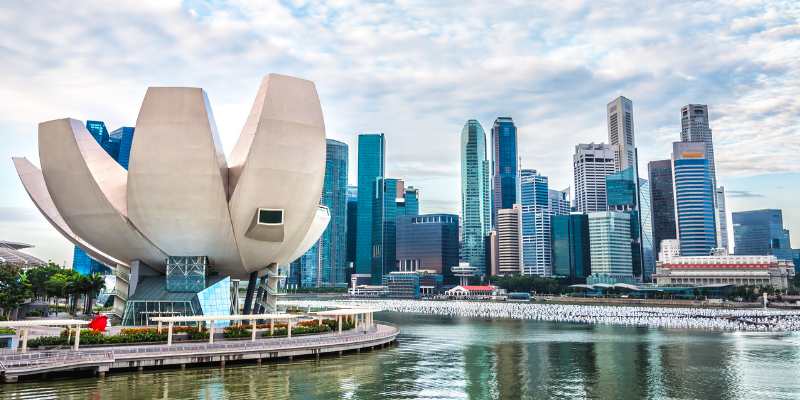
Singapore has quietly become one of the most influential innovation capitals in the world. And honestly… many people still underestimate just how fast the country is moving. While larger nations often dominate headlines with billion-dollar tech companies and massive startup valuations, Singapore innovation hubs are doing something different. They’re building sustainable ecosystems where startups, investors, universities, governments, and multinational companies actually work together instead of competing for attention.
That’s a big reason why entrepreneurs from Europe, the Middle East, India, and even Silicon Valley are paying close attention to Singapore right now. The country isn’t just another business destination anymore. It’s turning into a global experimentation zone for fintech, AI, biotech, sustainability, smart cities, and digital transformation.
Walk through areas like one-north, the Central Business District, or innovation-focused campuses around the city, and you’ll notice something interesting. People aren’t only discussing startup ideas over coffee. They’re building products that influence banking systems, transportation, healthcare, logistics, cybersecurity, and even urban planning across Asia. That shift matters — especially for businesses looking to expand into Southeast Asia.
And there’s another reason Singapore innovation hubs are attracting global attention in 2026. Stability. In a world filled with economic uncertainty, changing regulations, and fragmented digital policies, Singapore offers infrastructure, transparency, funding opportunities, and government support that many countries simply can’t match.
But here’s the thing most blogs miss…
Singapore’s innovation success didn’t happen overnight. It’s the result of long-term planning, education investment, startup-friendly regulation, global talent attraction, and a culture that rewards experimentation while still maintaining structure. That balance is rare.
This guide explores everything you need to know about singapore innovation hubs — how they work, why they matter, the biggest technology clusters, startup ecosystems, investment opportunities, innovation strategies, common mistakes businesses make, and what the future may look like over the next decade.
Whether you’re an entrepreneur, investor, tech founder, digital marketer, researcher, or business owner exploring expansion opportunities in Asia, this article will help you understand why Singapore continues to dominate conversations around global innovation.

What Are Singapore Innovation Hubs?
Singapore innovation hubs are specialized districts, ecosystems, campuses, and collaborative spaces designed to support technological advancement, entrepreneurship, research, and digital business growth. But reducing them to “office spaces for startups” would be completely inaccurate.
These hubs are designed to connect different industries together. Universities collaborate with startups. Government agencies support private innovation projects. Venture capital firms actively search for emerging founders. International companies establish regional headquarters inside these innovation zones to gain faster access to talent and technology.
That interconnected model is what makes innovation hubs in Singapore so powerful.
Instead of isolating industries, Singapore intentionally creates environments where sectors overlap. Artificial intelligence companies work alongside healthcare researchers. Fintech startups collaborate with cybersecurity firms. Sustainable technology developers partner with logistics providers. Those connections create faster experimentation and shorter innovation cycles.
And that matters because speed has become one of the biggest competitive advantages in the global economy.
Singapore also understands something many countries struggle with: innovation needs infrastructure. Talented founders alone aren’t enough. Businesses need high-speed internet, transportation systems, legal clarity, intellectual property protection, access to funding, skilled employees, and government support. Singapore built all of those systems together.
Another important factor is geographic positioning. Singapore sits at the center of Southeast Asia’s rapidly growing digital economy. Businesses entering Asian markets often use Singapore as their operational base because it offers international connectivity, financial stability, and easier regional expansion opportunities.
The country’s innovation hubs support industries including:
- Artificial intelligence
- Fintech
- Blockchain
- Biotechnology
- Green technology
- Smart city development
- Digital banking
- Cybersecurity
- Robotics
- Logistics technology
- E-commerce infrastructure
- Health technology
And unlike some startup ecosystems that rely heavily on hype, Singapore focuses strongly on scalability and commercial viability. Investors and policymakers often prioritize businesses with sustainable long-term potential rather than short-term trends.
That practical approach has helped Singapore build one of the world’s most respected innovation ecosystems.
Why Singapore Became a Global Innovation Leader
Singapore’s rise as an innovation powerhouse didn’t happen because of luck. It happened because the country made deliberate strategic decisions over several decades.
One of the biggest reasons Singapore innovation hubs succeeded is government involvement. In many countries, governments talk about innovation but fail to create systems that genuinely support entrepreneurs. Singapore took a different route. It invested heavily in digital infrastructure, education, research institutions, and startup incentives long before the global startup boom accelerated.
The government recognized early that Singapore could not compete through natural resources or land size. Innovation became an economic survival strategy.
That mindset changed everything.
Singapore started investing in research and development programs, international partnerships, startup grants, technology parks, and entrepreneurship ecosystems. Agencies supporting digital transformation were created to attract foreign businesses while also nurturing local talent.
Another reason Singapore technology hubs thrive is policy consistency. Investors and global businesses want predictability. Frequent policy changes create uncertainty, which slows innovation. Singapore became known for stable regulations, transparent business laws, efficient taxation systems, and strong intellectual property protection.
This gave international companies confidence.
Talent attraction also played a huge role. Singapore positioned itself as a global business gateway by attracting highly skilled professionals from around the world. Engineers, developers, researchers, marketers, and entrepreneurs relocated to Singapore because the ecosystem supported career growth and innovation opportunities.
Education investments strengthened this further.
Universities in Singapore developed strong connections with technology industries, creating direct pipelines between academic research and commercial innovation. Students entering the workforce often already had exposure to startup culture, digital transformation, and entrepreneurship.
And then there’s connectivity.
Singapore’s airport infrastructure, digital systems, financial networks, and international partnerships allow companies to scale regionally with fewer operational barriers. For startups targeting Southeast Asia, Singapore often becomes the logical headquarters choice.
But perhaps the most overlooked reason for Singapore’s innovation success is culture.
The country encourages calculated risk-taking while maintaining operational discipline. That balance creates environments where experimentation happens responsibly. Businesses innovate faster without descending into chaos.
This combination of structure and creativity has become one of Singapore’s biggest strengths in the modern digital economy.
The Core Elements Behind Singapore’s Innovation Ecosystem
Every successful innovation ecosystem shares certain characteristics. Singapore simply executes them more effectively than most countries.
The first major element is infrastructure. Singapore innovation hubs are supported by world-class transportation systems, reliable internet connectivity, modern office spaces, advanced telecommunications, and efficient logistics networks. Startups can scale operations quickly because the foundational systems already exist.
The second element is government support. Singapore offers grants, startup incentives, tax advantages, innovation funding programs, and regulatory sandboxes that allow companies to test new technologies safely. Fintech businesses especially benefit from this approach because they can experiment with digital banking systems under controlled frameworks.
Third comes investment capital.
Singapore’s venture capital ecosystem has expanded dramatically over the last decade. Global investors increasingly view Singapore as Asia’s safest innovation gateway. As a result, funding opportunities for startups continue growing across fintech, AI, biotech, sustainability, and digital commerce sectors.
Another major component is collaboration.
Many innovation ecosystems fail because industries operate in silos. Singapore intentionally encourages partnerships between corporations, startups, universities, research labs, and government agencies. That creates stronger knowledge sharing and faster technological advancement.
Talent development matters too.
Singapore invests heavily in education, digital literacy, coding programs, research training, and future-ready workforce development. Innovation hubs need skilled workers — not just entrepreneurs. Singapore understands this better than many nations competing in the digital economy.
Global connectivity is another important factor.
Businesses operating from Singapore can access regional markets including Indonesia, Malaysia, Thailand, Vietnam, and the broader ASEAN economy. This regional positioning makes Singapore innovation hubs especially attractive for international expansion.
And then there’s trust.
Businesses want environments where contracts are respected, regulations are clear, corruption is minimal, and operational systems function efficiently. Singapore consistently ranks highly in those areas, making it easier for companies to focus on innovation instead of bureaucracy.
These interconnected elements collectively form the foundation of Singapore’s innovation ecosystem.
Top Singapore Innovation Hubs Driving Growth
Several singapore innovation hubs have become internationally recognized for their influence on technology, entrepreneurship, and digital transformation.
one-north
one-north is arguably Singapore’s most famous innovation district. It combines research institutions, startup offices, technology companies, laboratories, universities, and collaborative spaces within a single ecosystem. The area focuses heavily on biomedical sciences, digital technology, AI, and media innovation.
Jurong Innovation District
This district focuses strongly on advanced manufacturing, robotics, automation, and industrial innovation. It’s designed to bridge the gap between manufacturing and future technologies.
Punggol Digital District
Punggol Digital District supports smart city innovation, cybersecurity, digital business transformation, and AI development. It integrates residential communities with innovation infrastructure — something relatively unique globally.
Central Business District Innovation Spaces
Singapore’s CBD has evolved beyond traditional finance offices. Many multinational technology firms, fintech startups, venture capital companies, and digital agencies now operate from innovation-focused office environments in the area.
Singapore Science Park
The Singapore Science Park supports research-driven innovation and attracts biotech, pharmaceutical, engineering, and deep tech businesses. The park connects researchers, investors, and entrepreneurs within collaborative ecosystems.
Each hub specializes in different industries while remaining connected to Singapore’s broader innovation strategy. That specialization helps Singapore build leadership across multiple technology sectors simultaneously.
one-north: Singapore’s Most Famous Innovation District
When people discuss singapore innovation hubs, one-north almost always enters the conversation first. And honestly, there’s a good reason for that.
one-north represents Singapore’s innovation vision in physical form. It isn’t simply an office district filled with tech companies. It’s a carefully designed ecosystem where researchers, startups, investors, multinational corporations, and universities interact daily.
Located near major research institutions and universities, one-north became a magnet for technology companies looking for collaborative advantages. Businesses operating there gain access to talent, laboratories, networking opportunities, and funding ecosystems simultaneously.
That concentration creates momentum.
Startups benefit because they’re surrounded by experienced entrepreneurs, researchers, and investors. Larger corporations benefit because they gain access to emerging technologies and startup innovation. Universities benefit because research commercialization becomes easier.
This interconnected structure accelerates innovation cycles dramatically.
Industries thriving inside one-north include:
- Artificial intelligence
- Biomedical sciences
- Health technology
- Media technology
- Robotics
- Sustainability innovation
- Cybersecurity
- Smart city development
The district also reflects Singapore’s broader philosophy toward urban innovation. Instead of separating workspaces from living environments completely, one-north integrates residential areas, retail spaces, parks, cafes, and collaborative workspaces together.
That design encourages spontaneous interaction — something incredibly valuable in innovation ecosystems.
Many startups form partnerships during casual networking conversations rather than formal meetings. Singapore understands this dynamic, which is why physical design plays such a significant role in its innovation districts.
And unlike some tech hubs globally that feel chaotic or unsustainable, one-north maintains operational structure while still encouraging creativity.
That balance continues attracting international businesses year after year.
Fintech Innovation Hubs in Singapore
Singapore has become one of the world’s strongest fintech innovation hubs — not only in Asia, but globally.
The country’s financial infrastructure, regulatory clarity, digital banking support, and international connectivity created ideal conditions for fintech growth. Today, singapore innovation hubs support hundreds of fintech startups working across digital payments, blockchain, wealth management, insurtech, lending technology, and financial cybersecurity.
One reason fintech thrives in Singapore is regulatory innovation.
Instead of resisting digital finance disruption, Singapore’s regulators actively collaborate with fintech companies through regulatory sandboxes and innovation programs. This allows startups to test products safely while maintaining financial system stability.
That approach encourages experimentation without sacrificing trust.
Singapore’s position as a financial center also helps. Many multinational banks, investment firms, and financial institutions already operate regional headquarters there. Fintech startups gain easier access to partnerships, enterprise clients, and investment opportunities.
Digital banking has accelerated this trend further.
Singapore issued digital banking licenses that opened new opportunities for financial technology companies. This increased competition while pushing traditional financial institutions toward faster digital transformation.
Fintech sectors growing rapidly inside Singapore include:
| Fintech Sector | Growth Focus |
|---|---|
| Digital Payments | Cashless infrastructure |
| Blockchain | Cross-border transactions |
| WealthTech | Automated investment platforms |
| InsurTech | Digital insurance systems |
| RegTech | Compliance automation |
| Cybersecurity | Financial data protection |
Another major strength is talent concentration. Singapore attracts software engineers, financial analysts, compliance experts, and AI specialists from across the world. That multidisciplinary talent pool is essential for fintech innovation.
And importantly, Singapore acts as a gateway into Southeast Asia’s massive underbanked population. Fintech companies operating from Singapore can scale into neighboring countries where digital financial adoption is growing rapidly.
That regional expansion potential keeps investors highly interested in Singapore fintech innovation hubs.
AI and Deep Tech Innovation in Singapore
Artificial intelligence is reshaping industries globally, and Singapore wants to remain ahead of that curve. That’s why singapore innovation hubs increasingly focus on AI research, machine learning infrastructure, robotics, automation, and deep tech commercialization.
But Singapore’s AI strategy differs from many countries chasing headlines.
Instead of focusing only on consumer AI applications, Singapore emphasizes practical deployment. Businesses, healthcare systems, transportation networks, urban planning agencies, and financial institutions actively integrate AI into operational systems.
That applied innovation model creates measurable economic impact.
Singapore’s AI ecosystem benefits from strong government coordination. National AI initiatives support research funding, enterprise adoption, digital infrastructure, and talent development simultaneously. This coordinated strategy helps businesses scale AI projects faster.
Deep tech startups in Singapore are also gaining international attention.
Unlike lightweight software startups, deep tech businesses often involve advanced scientific research, complex engineering, hardware development, or breakthrough technologies requiring longer development timelines. Singapore supports these companies through research institutions, grants, laboratories, and long-term funding programs.
Key sectors include:
- Robotics
- Semiconductor technology
- AI infrastructure
- Quantum computing research
- Autonomous systems
- Biotechnology
- Medical diagnostics
- Climate technology
Singapore’s universities contribute significantly to deep tech innovation by commercializing academic research into scalable startups.
And while some ecosystems prioritize rapid startup growth above all else, Singapore’s deep tech environment focuses heavily on sustainability, intellectual property protection, and commercialization readiness.
That slower but more stable approach may actually become a long-term advantage.
Smart City Innovation and the Smart Nation Vision
Singapore isn’t only building innovation hubs for startups. It’s trying to redesign how cities function altogether.
The country’s Smart Nation initiative transformed Singapore into one of the world’s leading smart city innovation ecosystems. Technology is integrated into transportation, healthcare, energy systems, public services, security infrastructure, and urban planning.
This creates living laboratories for innovation.
Startups operating inside singapore innovation hubs can test smart technologies in real-world environments rather than controlled simulations. That’s a major competitive advantage.
Examples of smart city innovation in Singapore include:
- Intelligent traffic management
- Digital public services
- Smart energy monitoring
- Urban sustainability systems
- AI-driven transportation planning
- Smart healthcare infrastructure
- Sensor-based city management
The government actively supports these initiatives because urban efficiency directly impacts economic competitiveness.
And because Singapore is relatively compact geographically, implementing nationwide innovation strategies becomes easier compared to larger countries with fragmented systems.
Businesses working in IoT, AI, sustainability, mobility, and urban technology increasingly view Singapore as a strategic testing ground.
This smart city leadership strengthens Singapore’s reputation as one of Asia’s top innovation ecosystems.
Startup Incubators and Accelerators in Singapore
Behind every successful startup ecosystem lies a strong support network — and Singapore understands this extremely well.
Singapore innovation hubs are filled with incubators, accelerators, mentorship programs, and startup support organizations designed to help entrepreneurs scale faster. These programs don’t simply provide office space. They offer mentorship, funding access, investor networking, legal guidance, technical resources, and commercialization support.
That matters because many startups fail due to operational mistakes rather than bad ideas.
Startup incubators in Singapore often focus on early-stage companies that still need business validation. Accelerators usually target startups already showing traction and help them scale aggressively.
Key industries supported include:
- Fintech
- Artificial intelligence
- Green technology
- E-commerce
- Health technology
- SaaS platforms
- Deep tech
- Cybersecurity
One major strength of Singapore’s startup ecosystem is international accessibility. Foreign entrepreneurs can enter the ecosystem more easily compared to many countries with restrictive startup environments.
And because Singapore attracts global investors, accelerator demo days and networking events often create strong funding opportunities.
Many multinational corporations also partner with accelerators to identify emerging technologies and acquisition opportunities. This creates additional commercialization pathways for startups.
The startup culture in Singapore is evolving too.
A decade ago, many entrepreneurs focused heavily on copying existing Silicon Valley models. Today, Singapore startups increasingly build solutions tailored for Southeast Asian markets, emerging economies, urban infrastructure challenges, and digital finance gaps.
That regional specialization could become a major competitive advantage moving forward.
Singapore’s Venture Capital and Funding Ecosystem
Funding is the lifeblood of innovation ecosystems. Without capital, even brilliant ideas struggle to survive.
Singapore innovation hubs benefit from one of Asia’s strongest venture capital ecosystems. Investors view Singapore as relatively stable, business-friendly, and strategically positioned for Southeast Asian expansion.
That combination attracts both regional and global capital.
Over the last several years, venture capital firms, private equity groups, sovereign wealth funds, angel investors, and corporate investment arms increased activity across Singapore’s startup ecosystem.
Sectors receiving strong investment attention include:
- Fintech
- AI
- Cybersecurity
- Climate technology
- Digital healthcare
- Enterprise software
- Logistics technology
- Smart city infrastructure
Government-backed funding programs also strengthen the ecosystem. Singapore actively co-invests in innovation sectors through grants, startup incentives, and commercialization initiatives.
This reduces risk for early-stage businesses.
Another important factor is investor quality.
Singapore’s investment ecosystem tends to emphasize operational sustainability rather than pure hype-driven growth. Investors often evaluate regulatory scalability, monetization potential, and regional expansion strategies carefully.
That disciplined investment culture creates healthier long-term startup ecosystems.
And because Singapore connects Asian and Western investment markets effectively, startups can often access broader funding networks more easily than businesses operating in isolated ecosystems.
This global financial connectivity remains one of Singapore’s strongest innovation advantages.
How Singapore Innovation Hubs Support Global Businesses
Singapore innovation hubs don’t only support startups. They also help multinational corporations modernize, expand regionally, and accelerate digital transformation.
Many global companies establish innovation labs, regional headquarters, or R&D centers in Singapore because the ecosystem offers strategic advantages difficult to replicate elsewhere.
For large businesses, Singapore provides:
- Regional market access
- Skilled digital talent
- Regulatory clarity
- Technology partnerships
- Stable infrastructure
- Innovation collaboration opportunities
Corporations increasingly realize that innovation rarely happens effectively inside isolated enterprise structures. Collaborating with startups, researchers, and technology specialists creates faster experimentation and more agile product development.
Singapore facilitates these partnerships extremely well.
Another important advantage is geopolitical neutrality. Businesses operating across Asia often prefer Singapore because it maintains strong international relationships and stable business policies.
And because English functions as a primary business language, international collaboration becomes easier.
Many multinational companies use Singapore as their innovation gateway into ASEAN markets. This includes sectors like finance, logistics, healthcare, manufacturing, cybersecurity, and digital commerce.
The ecosystem’s maturity allows businesses to scale faster while minimizing operational friction.
Innovation Hubs vs Traditional Business Districts
Traditional business districts were designed for operational efficiency. Singapore Innovation hubs are designed for collaboration, experimentation, and technological growth.
That distinction matters.
Older business models often separated industries physically and organizationally. Innovation ecosystems work differently. They intentionally create overlap between sectors, disciplines, and expertise areas.
Singapore innovation hubs prioritize flexibility rather than hierarchy.
Modern innovation spaces include collaborative work environments, startup incubators, research facilities, networking zones, event spaces, and mixed-use developments that encourage interaction.
This environment helps ideas spread faster.
Another difference involves talent attraction. Younger professionals increasingly prefer workplaces connected to innovation ecosystems rather than isolated corporate towers.
Innovation districts also support faster commercialization.
Researchers can interact directly with investors. Startups can connect with enterprise clients. Universities can commercialize technologies more efficiently.
Traditional business districts often lack these integrated relationships.
Singapore recognized this shift early and redesigned many urban areas accordingly.
Challenges Facing Singapore Innovation Hubs
Despite their success, singapore innovation hubs still face challenges.
One major issue is rising operational costs. Singapore remains an expensive city for startups, especially regarding office space, housing, and talent acquisition. Smaller businesses sometimes struggle to compete with multinational corporations for resources.
Talent competition is another challenge.
As Singapore’s technology ecosystem grows, demand for AI engineers, cybersecurity specialists, software developers, and data scientists continues increasing rapidly.
Global competition also matters.
Other Asian innovation ecosystems including those in South Korea, China, India, and the Middle East are investing aggressively in startup ecosystems and technology infrastructure.
Singapore must continue evolving to maintain leadership.
Another challenge involves balancing regulation with innovation. While Singapore is generally innovation-friendly, excessive regulation could eventually slow experimentation in emerging technologies like AI and blockchain.
Economic uncertainty also creates pressure.
Global recessions, geopolitical instability, and investment slowdowns can impact startup funding and expansion opportunities.
But historically, Singapore adapts relatively quickly to economic changes — which remains one of its biggest advantages.
Expert Strategies for Businesses Entering Singapore
Businesses entering Singapore’s innovation ecosystem should approach expansion strategically rather than assuming success happens automatically.
First, understand regional dynamics. Singapore may serve as a Southeast Asian gateway, but neighboring markets vary significantly in language, regulation, consumer behavior, and digital adoption.
Second, build partnerships early.
Singapore innovation hubs thrive on collaboration. Companies integrating into local ecosystems usually scale faster than businesses operating independently.
Third, invest in localization.
Many startups fail because they copy Western business models without adapting them for Asian consumer behaviors and market structures.
Fourth, focus on compliance and intellectual property protection from the beginning. Singapore maintains strong legal standards, and businesses should align operations accordingly.
Fifth, prioritize networking.
Innovation ecosystems rely heavily on relationships. Investors, accelerators, universities, and government agencies often play important roles in business growth opportunities.
Finally, think regionally rather than locally. Singapore’s greatest value often lies in its ability to support broader ASEAN expansion strategies.
Common Mistakes Startups Make in Singapore
Even strong ecosystems cannot protect businesses from bad strategy.
One common mistake startups make in Singapore is assuming the market itself is massive. Singapore’s domestic population is relatively small, meaning businesses often need regional expansion plans early.
Another mistake is underestimating competition.
Singapore attracts high-quality founders, global investors, and multinational companies. Standing out requires strong differentiation and clear value propositions.
Poor financial planning is another issue.
Because operational costs are high, startups need sustainable funding strategies rather than relying entirely on aggressive growth assumptions.
Some businesses also focus too heavily on fundraising instead of product-market fit. Investors increasingly prioritize sustainable business fundamentals over hype.
Ignoring local business culture can create problems too.
Singapore values professionalism, reliability, operational efficiency, and long-term relationship building. Businesses failing to adapt culturally may struggle despite having strong products.
And finally, many startups attempt scaling too quickly before stabilizing operations.
Sustainable growth usually performs better than uncontrolled expansion.
The Future of Singapore Innovation Hubs in 2026 and Beyond
The future of singapore innovation hubs looks incredibly strong — but it’s also evolving rapidly.
Artificial intelligence will likely become even more central across Singapore’s economy. AI integration into healthcare, finance, logistics, education, and public infrastructure is accelerating.
Climate technology is another major growth area.
Singapore is investing heavily in sustainability innovation, green infrastructure, energy efficiency, and environmental technology solutions. Businesses operating in climate tech may find significant opportunities over the next decade.
Deep tech commercialization will continue expanding too.
As research institutions strengthen partnerships with startups and investors, Singapore could become an increasingly important global center for advanced scientific innovation.
Digital finance will remain crucial as well.
Singapore’s fintech ecosystem continues evolving through blockchain infrastructure, digital banking, cross-border payment systems, and financial cybersecurity advancements.
Smart city development may become even more globally influential.
Many countries are studying Singapore’s urban technology systems as models for future infrastructure planning. This creates opportunities for Singapore-based companies exporting smart city expertise internationally.
And importantly, Singapore will likely continue positioning itself as Asia’s trusted innovation gateway — combining stability, technology leadership, and international connectivity.
That combination remains extremely powerful in uncertain global markets.

Frequently Asked Questions
Are singapore innovation hubs good for foreign startups?
Yes, Singapore innovation hubs are highly attractive for foreign startups because they provide funding opportunities, legal stability, global connectivity, and access to Southeast Asian markets. Many international founders use Singapore as their regional headquarters.
Which industries perform best in Singapore innovation hubs?
Industries including fintech, AI, biotechnology, cybersecurity, deep tech, smart city technology, logistics technology, and green innovation perform particularly well within Singapore’s innovation ecosystem.
Why is Singapore considered a global innovation leader?
Singapore combines government support, world-class infrastructure, strong education systems, investment accessibility, international connectivity, and startup-friendly regulation. These factors collectively strengthen its innovation ecosystem.
What is the most famous innovation hub in Singapore?
one-north is widely considered Singapore’s most recognized innovation district. It supports startups, research institutions, multinational corporations, and technology companies across multiple sectors.
Are singapore innovation hubs expensive for startups?
Singapore can be expensive regarding office space, salaries, and operational costs. However, businesses often benefit from strong infrastructure, funding access, and regional growth opportunities that offset these expenses.
How do Singapore innovation hubs support fintech companies?
Singapore supports fintech through regulatory sandboxes, digital banking frameworks, investment ecosystems, cybersecurity infrastructure, and collaboration between startups and financial institutions.
Final Thoughts
Singapore innovation hubs are no longer just regional success stories. They’ve become global models for how governments, businesses, universities, investors, and entrepreneurs can collaborate to build future-ready economies.
And what makes Singapore especially interesting is that its innovation ecosystem feels intentional rather than accidental.
Every layer — infrastructure, education, policy, investment, digital transformation, startup support, and urban planning — works together toward long-term innovation goals. That coordination creates environments where businesses can experiment, scale, and adapt faster.
For startups, Singapore offers opportunity.
For investors, it offers stability.
For multinational companies, it offers regional access.
And for the future global economy… it offers a glimpse of what integrated innovation ecosystems may eventually become.
Businesses looking to grow in Asia should pay very close attention to singapore innovation hubs over the next few years. The ecosystem is evolving quickly, and the companies positioning themselves early may gain enormous long-term advantages.
If you’re planning expansion into Southeast Asia, exploring digital transformation opportunities, or searching for strategic innovation partnerships, Singapore deserves serious consideration.
Because the future of innovation in Asia isn’t slowing down — it’s accelerating.