Choosing a tuition centre singapore today feels a bit like navigating a maze. There are so many options everywhere—small centres in HDB estates, big branded academies in malls, online classes popping up every month… and every one of them claims to be the “best”.
If you’re a parent, you’ve probably felt that pressure. Maybe your child is struggling with maths. Or maybe they’re doing okay, but you want them to do better—PSLE, O-levels, or just keeping up with Singapore’s competitive school system. And honestly, it’s not easy.
The truth is, a good tuition centre can make a real difference. Not just in grades, but in confidence too. But a bad one? It can waste time, money, and motivation.
In this guide, we’ll break everything down in a simple, human way—no fluff. You’ll learn how tuition centres work, what to expect, how much they cost, and how to choose the right one without stress. We’ll also explore different types of centres like best tuition centre for primary students, PSLE tuition centre , and even online tuition centre singapore options.
And yes, we’ll also talk about mistakes parents make (a lot of them do the same ones), expert tips, pricing breakdowns, and real comparisons.
By the end, you’ll have a clear idea of what actually works—and what doesn’t.
What is a Tuition Centre Singapore?
A tuition centre is basically a learning centre where students go after school to get extra academic support. But that’s the simple definition. In reality, it’s much more layered than that.
Most tuition centres focus on core subjects like maths, English, science, and mother tongue languages. Some specialize in exam preparation, especially PSLE, O-levels, and A-levels. Others focus more on enrichment—helping students build thinking skills rather than just memorizing answers.
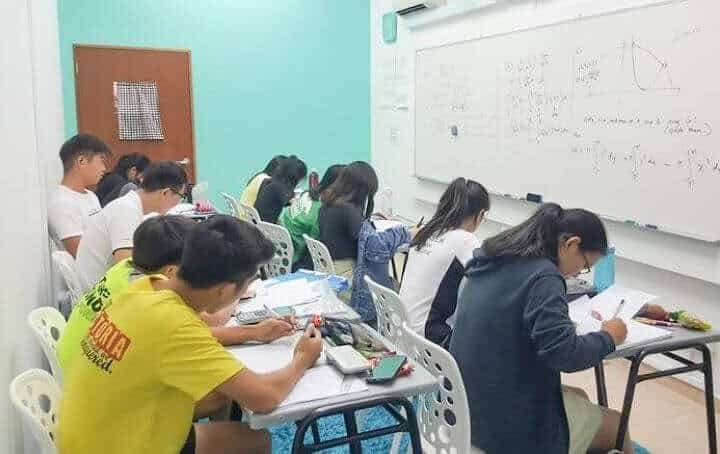
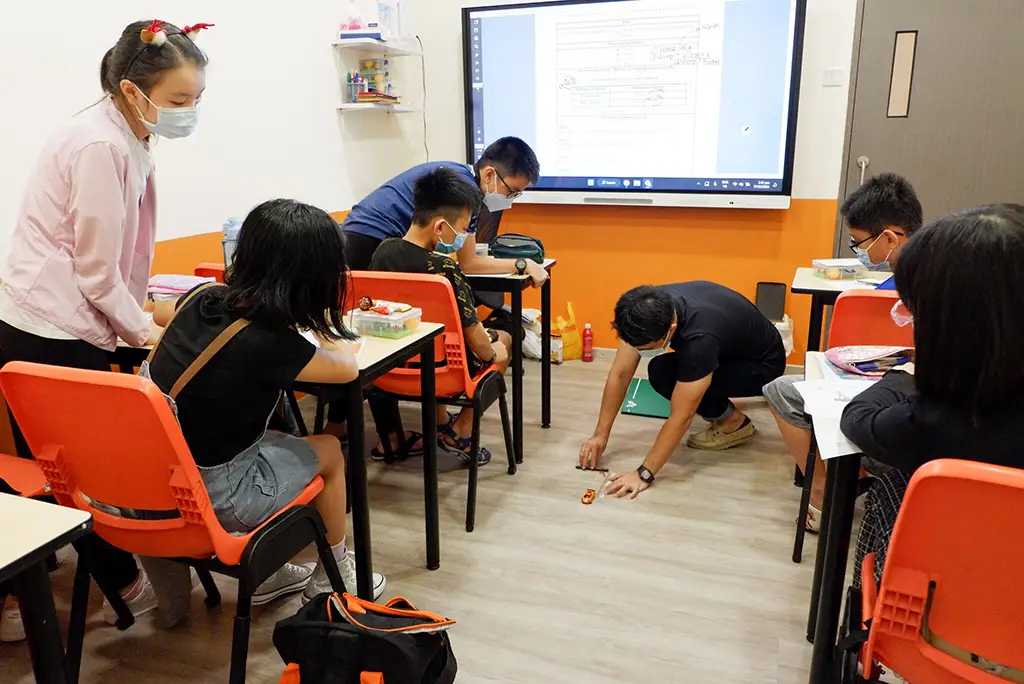
A typical tuition centre singapore class is usually small-group based. That means instead of a classroom of 30–40 students like school, you might see 4–12 students per class. This allows teachers to focus more on individual weaknesses.
There are also premium centres offering personalized learning tuition centre programmes, where each student gets a custom study plan. These are often more expensive, but very targeted.
And then you have online options too. A online tuition centre singapore flexible classes setup is becoming more popular after 2020, especially for busy students who prefer learning from home.
One interesting thing is that not all tuition centres are equal. Some are run by highly experienced ex-school teachers, while others are run by younger tutors who are still building experience. That difference matters a lot.
In short, a tuition centre is not just extra school—it’s a parallel learning system designed to boost academic performance in a highly competitive education environment.
Why Tuition Centre Singapore Matters More Than Ever
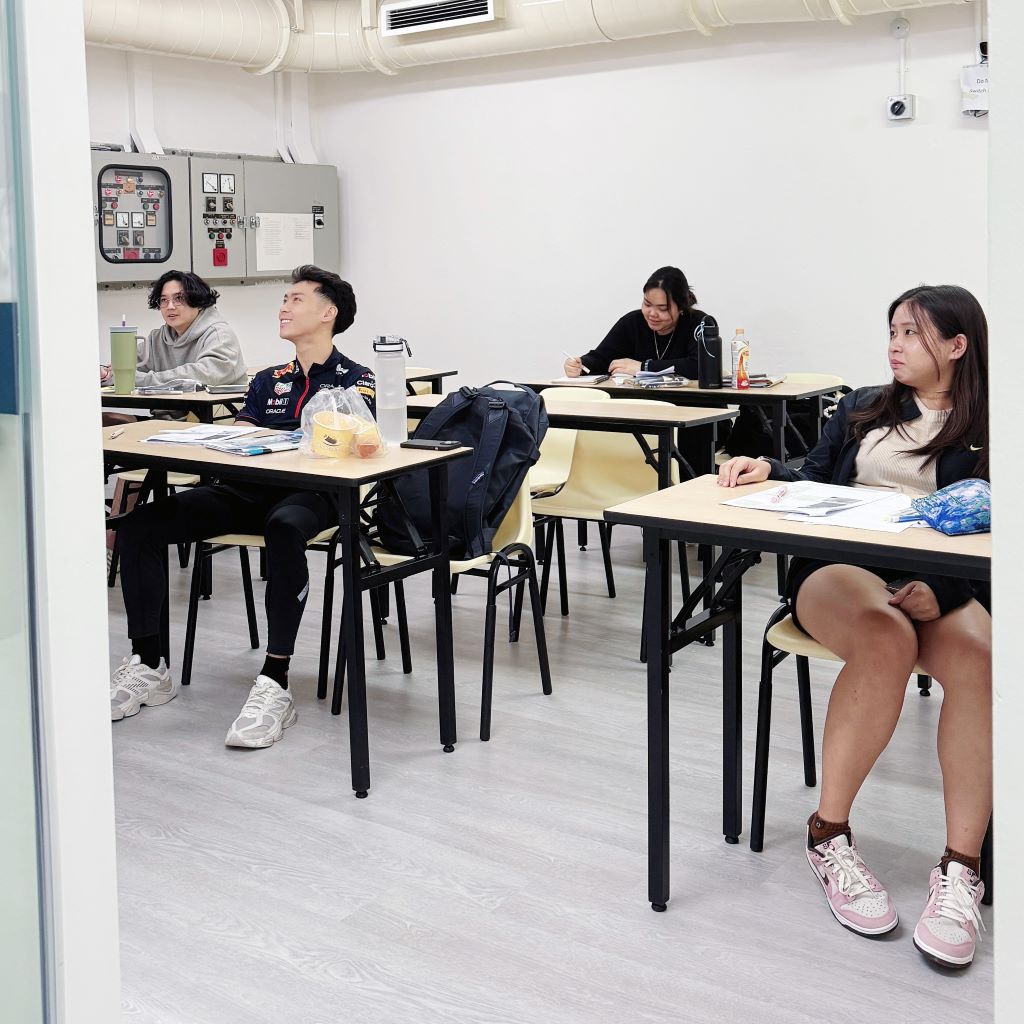
Let’s be honest—Singapore’s education system is tough. Even strong students sometimes struggle to keep up. That’s why tuition centre singapore services have become almost normal instead of optional.
One big reason is competition. Exams like PSLE and O-levels are not just about passing anymore—they’re about scoring high enough to get into better schools. And that pressure builds early.
Parents often turn to best tuition centre for primary students because foundational gaps can affect everything later. If a child doesn’t fully understand fractions in Primary 4, it can become a serious issue in Secondary 2 algebra.
Another reason is teaching pace. School teachers follow a strict syllabus timeline. They don’t always have time to slow down for every student. But a small group tuition centre singapore learning environment allows tutors to revisit topics until students fully understand.
There’s also confidence. Many students actually know the answers but hesitate to speak up in school. Tuition centres create a more relaxed space where asking questions feels normal.
And then there’s structure. A good tuition centre provides worksheets, revision schedules, and mock exams. That kind of structure can really help students stay on track.
Of course, it’s not magic. A tuition centre won’t fix everything overnight. But it can fill gaps, reinforce learning, and give students a serious academic edge when used correctly.
Types of Tuition Centre Singapore Options
Not all tuition centres are the same. In fact, the tuition centre singapore landscape is surprisingly diverse.
1. Academic Tuition Centres
These focus on school subjects like maths, science, and English. Examples include maths tuition centre singapore expert tutors or english tuition centre PSLE preparation programmes.
2. Exam-Focused Centres
These are intense, structured programmes targeting exams like PSLE, O-levels, and A-levels. A best PSLE tuition centre singapore 2026 usually falls into this category.
3. Enrichment Centres
Instead of drilling exam questions, these focus on creativity, critical thinking, and communication skills. They’re often used for younger children.
4. Online Tuition Centres
A growing trend is online tuition centre singapore flexible classes, which allow students to learn from home using digital tools.
5. Budget vs Premium Centres
You’ll also find a big difference between budget tuition centre singapore affordable plans and premium centres with high-profile tutors.
Each type serves a different purpose. Choosing the right one depends on your child’s needs, not just popularity.
How Tuition Centre Singapore Learning Actually Works
A typical tuition centre singapore class follows a structured format.
Most sessions start with revision of previous topics. Then tutors introduce new concepts, followed by practice worksheets. In some centres, students also take timed quizzes to simulate exam conditions.
For example, in a secondary maths tuition singapore centre, students might spend the first 20 minutes revising algebra, then 40 minutes solving problem sets, and last 10 minutes reviewing mistakes.
Some centres also offer homework support. This is especially useful for primary school tuition singapore academic boost programmes where students need consistent reinforcement.
The key difference from school is attention. Tutors can immediately spot mistakes and correct them on the spot.

Tuition Centre Singapore Fees and Costs Breakdown
Fees vary widely depending on the centre type.
- Budget centres: $100–$180/month
- Mid-range centres: $180–$350/month
- Premium centres: $350–$800+/month
A tuition centre singapore fees comparison often depends on class size, tutor experience, and location.
For example, centres in central areas like Orchard or Bukit Timah are usually more expensive than neighbourhood centres.
Some also offer holiday crash courses like holiday tuition centre singapore crash courses, which are priced separately.
Best Tuition Centre Singapore Options and Comparison
When comparing options, parents usually look at results, reviews, and teaching style.
A top-rated tuition centre singapore reviews list often includes centres known for PSLE and O-level success rates.
Compared to private tutors, a tuition centre vs private home tutors debate comes down to structure vs flexibility.
Tuition centres offer structured group learning, while private tutors offer one-on-one attention.
Expert Tips to Choose the Right Tuition Centre Singapore
- Always check tutor qualifications
- Visit a trial class first
- Don’t focus only on price
- Look for small class sizes
- Ask about progress tracking systems
A good tuition centre singapore exam preparation tips strategy is consistency, not last-minute cramming.
Common Mistakes Parents Make
Many parents choose based on popularity alone. Others switch centres too quickly without giving time for improvement.
Another mistake is ignoring whether the teaching style matches the child’s learning style.
Deep Dive: How Tuition Centre Singapore Shapes Real Student Performance (Inside the System)
When people talk about a tuition centre singapore, they usually describe it in a simple way—extra classes after school, more practice, better grades. But if you actually look inside how things work, it’s a lot more layered than that. There’s a whole system behind it that most parents never really see, and that system is what actually makes the difference between average improvement and real academic transformation.
In Singapore’s education environment, a tuition centre singapore isn’t just reacting to school curriculum—it is constantly adapting to it. Syllabuses change, exam formats shift, and competition keeps increasing. Good centres don’t just follow along… they stay slightly ahead. That small gap is where students either struggle or improve.
Let’s break this down properly, without the usual surface-level explanation.
The Learning Engine Inside a Tuition Centre Singapore
If you step into a typical tuition centre singapore, what you’ll notice first is structure. Everything is planned. Lessons are not random or loosely delivered like sometimes happens in informal tutoring. There is a system.
Most centres divide learning into three layers:
- Concept teaching
- Practice reinforcement
- Exam simulation
At first glance, this seems basic. But the execution is what matters.
For example, in a maths tuition centre singapore expert tutors class, a topic like algebra is not just explained once. It is introduced, broken into smaller concepts, practiced repeatedly, and then tested under timed conditions. Students don’t just “understand” it—they repeatedly interact with it until it becomes automatic.
That repetition is intentional. A strong tuition centre singapore knows that school exposure alone is often not enough for mastery. Students need multiple exposures in different formats—worksheets, verbal explanation, timed quizzes, and error correction sessions.
And this is where many parents misunderstand things. They assume tuition is just “extra teaching.” In reality, it’s structured repetition with feedback loops.
Why Small Group Dynamics Matter in Tuition Centre Singapore Learning
One of the biggest strengths of a tuition centre singapore is class size. Most centres run small groups—usually between 4 to 12 students. That number might seem like a small detail, but it changes everything.
In a small group tuition centre singapore learning setup, tutors can actually observe each student’s behavior. Not just whether they get answers right or wrong, but how they think.
Some students rush. Some hesitate. Some overthink simple questions. In a school classroom, these patterns often go unnoticed. But in a tuition centre, they become visible.
A good tutor in a tuition centre singapore adjusts teaching style based on these patterns. For example:
- A student who rushes gets timed practice drills
- A student who hesitates gets step-by-step breakdown guidance
- A weak conceptual learner gets repeated foundational revision
This level of adjustment is rare in larger classrooms.
And this is also why top-rated tuition centre singapore reviews often mention “personal attention” repeatedly. It’s not marketing language—it’s actually the core difference in learning environment.
But there’s another subtle advantage too: peer learning.
Students in small groups often compare answers, explain solutions to each other, and even compete slightly. That healthy pressure builds motivation naturally, especially in secondary school tuition singapore revision classes where exam pressure is already high.
The Psychology Behind Tuition Centre Singapore Progress
Something people don’t talk about enough is mindset.
A tuition centre singapore doesn’t just teach content—it indirectly reshapes how students approach learning.
Many students enter tuition thinking they are “bad” at a subject. Maybe they struggled in school or scored poorly in a test. But over time, as they attend regular sessions, something shifts.
They start recognizing patterns. They start solving questions faster. They begin to feel, “Okay… I can actually do this.”
That shift is subtle but powerful.
In english tuition centre singapore PSLE preparation classes, for example, students often improve not just grammar but confidence in writing. At first, essays are short, uncertain, and hesitant. But with consistent feedback, writing becomes more structured and expressive.
This is where consistency in a tuition centre singapore matters more than intensity. One or two classes won’t change much. But weekly exposure creates mental familiarity, and familiarity builds confidence.
Even in science tuition centre singapore classes, students who initially struggle with concepts like forces or chemical reactions start to see patterns over time. It stops being “random facts” and starts becoming logical systems.
That psychological shift is often more valuable than the marks themselves.
Different Student Types Inside Tuition Centre Singapore Classes
Not every student in a tuition centre singapore is the same—and good centres don’t treat them the same either.
You’ll usually find a mix of:
1. The Struggling Student
This student has gaps in basic understanding. They benefit most from primary school tuition singapore academic boost programmes where foundational concepts are rebuilt slowly.
2. The Average Performer
This student understands basics but makes careless mistakes. They often improve fastest in structured environments like secondary maths tuition singapore centre classes.
3. The High Achiever
This student already scores well but wants distinction grades. They usually attend O-level tuition centre singapore coaching or A-level tuition centre singapore academic support programmes.
A strong tuition centre singapore adjusts teaching strategies for each type. The goal is not just improvement—it’s optimized improvement.
And interestingly, sometimes the biggest progress comes from average students, not top ones. Because they have the most room to grow.
Behind the Teaching Methods in Tuition Centre Singapore Systems
Teaching methods vary widely across centres, but most reputable tuition centre singapore setups use a combination of:
- Direct explanation
- Guided practice
- Independent work
- Error correction sessions
Some also integrate timed drills to simulate exam pressure.
In a PSLE tuition centre singapore guidance class, for example, students might spend 15 minutes learning a concept, 30 minutes practicing questions, and 10 minutes reviewing mistakes. That cycle repeats constantly.
One key feature is “error analysis.” Instead of just marking answers right or wrong, tutors often break down why a mistake happened.
Was it misunderstanding? Careless reading? Lack of concept clarity?
This is especially important in maths tuition centre singapore expert tutors environments where small conceptual gaps can lead to repeated errors.
Another common method is progressive difficulty. Students start with simple problems and gradually move toward exam-level questions. This builds confidence step by step instead of overwhelming them immediately.
Parental Role in Tuition Centre Singapore Success
This part is often overlooked.
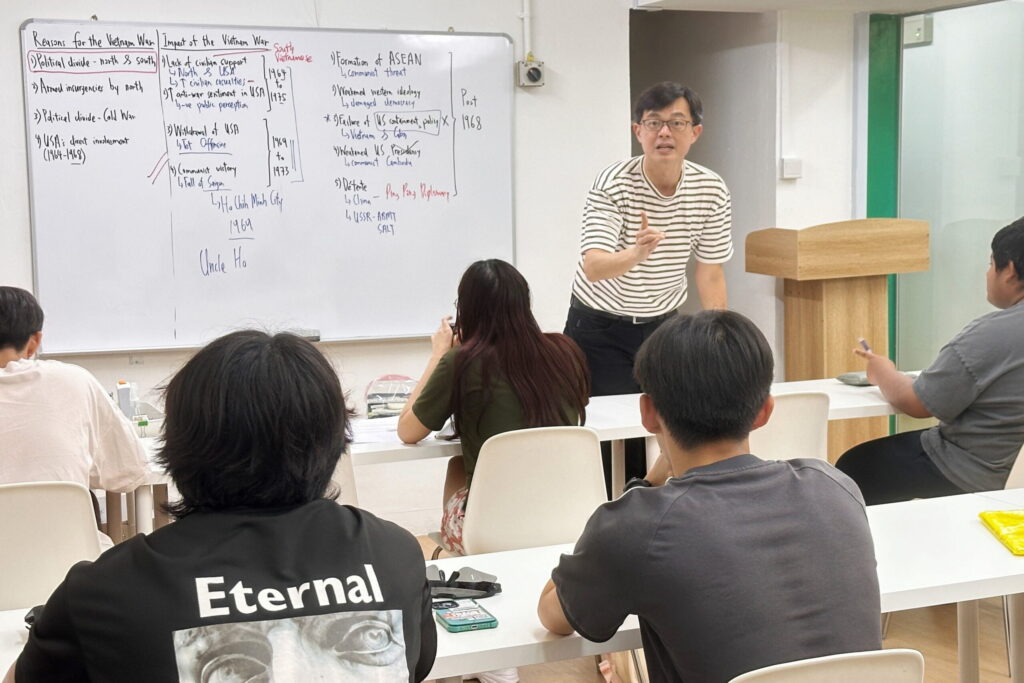
A tuition centre singapore can only do so much if there is no support at home. The most successful students usually have some level of parental involvement—not pressure, but awareness.
Parents who track progress, attend consultations, and understand feedback reports tend to see better results.
In many tuition centre singapore exam preparation tips sessions, tutors actually encourage parents to avoid overloading children with too many centres at once. More is not always better.
For example, a student attending both english grammar tuition centre singapore and science and maths tuition singapore coaching classes might become overloaded if there is no balance.
So the role of parents is not just choosing a centre—it’s managing learning load.
Digital Shift Inside Tuition Centre Singapore Education
Over the past few years, many tuition centre singapore providers have added digital tools.
Some now use:
- Online worksheets
- Recorded revision videos
- Progress tracking dashboards
- Hybrid learning models
A online tuition centre singapore flexible classes system is especially useful for students with tight schedules.
But interestingly, most parents still prefer physical classes for younger children. The reason is simple—attention span.
However, hybrid systems are becoming more common, where students attend physical classes but also get online revision support.
This combination is especially effective for holiday tuition centre singapore crash courses, where revision needs to be intensive and fast.
The Competitive Reality of Tuition Centre Singapore Environment
Let’s be real—Singapore’s education system is competitive. And a tuition centre singapore exists partly because of that reality.
Students are not just competing locally—they are competing for school placements, scholarships, and academic opportunities.
This is why structured preparation matters.
In many best tuition centre singapore for primary students programmes, the focus is not just passing exams but scoring consistently high marks. That consistency becomes important later in secondary school.
Even students in budget tuition centre singapore affordable plans can perform well if they attend regularly and follow the system properly.
It’s not always about expensive centres—it’s about consistency and teaching quality.
What Actually Drives Improvement in Tuition Centre Singapore Learning
After looking at everything, one thing becomes clear.
A tuition centre singapore is effective not because of one factor, but because of multiple combined elements:
- Structured teaching
- Small group attention
- Repetition and reinforcement
- Feedback-based correction
- Exam-focused practice
- Student psychology improvement
When all of these work together, improvement becomes natural rather than forced.
That’s why some students improve dramatically while others see only small changes—it depends on consistency and engagement, not just attendance.
Even in premium tuition centre singapore expert teaching environments, results still depend heavily on student effort outside class.
Real Learning Journey Inside Tuition Centre Singapore Systems
If you follow a student over a few months in a tuition centre singapore, the change is usually gradual, not sudden.
First month: confusion, adjustment
Second month: basic understanding
Third month: pattern recognition
Fourth month: confidence building
Fifth month onward: performance stability
This timeline varies, but the pattern is common.
And what’s interesting is that improvement often shows up first in small things—faster answering, fewer careless mistakes, better structured writing—before major exam score jumps happen.
That slow build is actually what makes the system stable.
Even in tuition centre singapore fees comparison discussions, many parents realize that value is not just about cost—it’s about long-term academic consistency.
FAQs
1. What is the average cost of a tuition centre singapore?
It usually ranges from $100 to $800 depending on level and quality.
2. Is tuition centre singapore necessary for PSLE?
Not necessary, but many parents use it for extra preparation.
3. How to choose the best tuition centre singapore?
Look at tutor experience, class size, and student feedback.
4. Are online tuition centre singapore classes effective?
Yes, especially for self-disciplined students.
5. What subjects are most common?
Maths, English, and Science are the most popular.
Conclusion
A tuition centre singapore can be a powerful support system if chosen wisely. It’s not just about extra classes—it’s about finding the right learning environment where your child can grow, improve, and gain confidence.
Whether you choose a best tuition centre singapore for primary students, a PSLE tuition centre singapore, or even a flexible online option, the key is consistency and proper guidance.
If you’re still unsure, start small. Try one class. Observe. Adjust. Learning is a journey—not a rush.
And when it works… it really works.