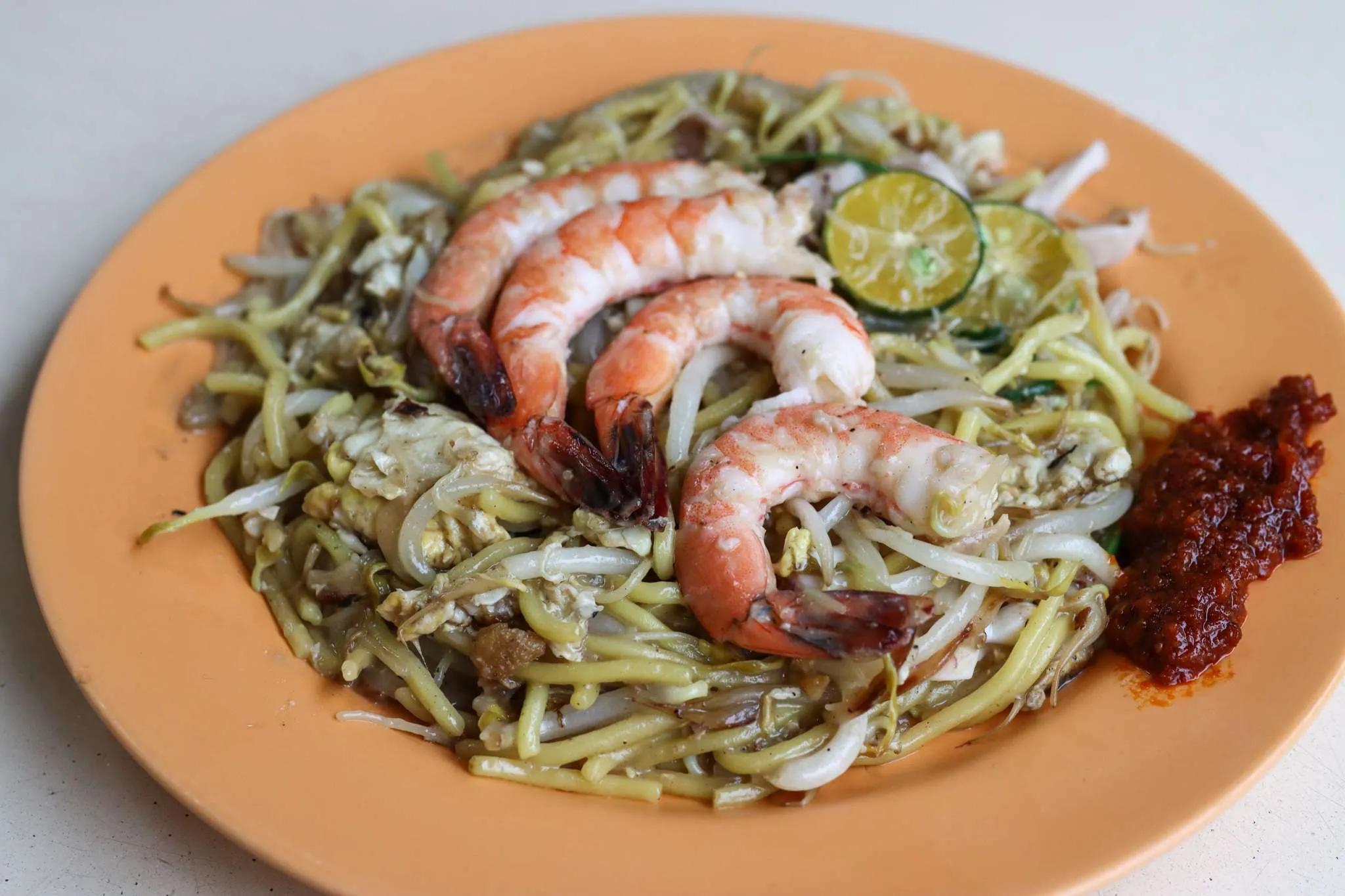
Swee Guan Hokkien Mee is one of Singapore’s most iconic hawker dishes, loved for its smoky aroma, rich seafood flavour, and silky noodles. This dish represents the heart of traditional street food culture, where simple ingredients are transformed into something deeply satisfying.
In this guide, you will learn everything about Swee Guan Hokkien Mee, including its origins, cooking method, flavour profile, and why it continues to attract long queues of food lovers. We will also explore what makes this dish unique compared to other variations of Hokkien noodles.
Whether you are a foodie, traveller, or SEO content researcher, this article will give you a complete understanding of Swee Guan Hokkien Mee and why it remains a must-try dish in Singapore’s hawker scene.
The History and Legacy of Swee Guan Hokkien Mee
Swee Guan Hokkien Mee has a strong cultural connection to Singapore’s hawker heritage. This dish is believed to have originated from Chinese immigrants who adapted Fujian-style noodles using local ingredients. Over time, it evolved into a uniquely Singaporean creation.
Swee Guan Hokkien Mee stands out because of its traditional charcoal cooking style. This method gives the noodles a distinct smoky flavour that modern cooking methods often fail to replicate. The dish is not just food; it is a representation of cultural preservation and culinary evolution.
Swee Guan Hokkien Mee continues to attract both locals and tourists due to its authenticity. Many food enthusiasts believe that its recipe has remained unchanged for decades, maintaining its original taste profile.
Moreover, the stall associated with Swee Guan Hokkien Mee has built a strong reputation through word-of-mouth marketing rather than heavy advertising. This organic growth has made it a legendary name in Singapore’s hawker scene.
Today, Swee Guan Hokkien Mee is more than just a dish—it is a culinary identity that reflects tradition, simplicity, and craftsmanship.
Why Swee Guan Hokkien Mee Stands Out in Singapore Street Food
The popularity of Swee Guan Hokkien Mee lies in its unique combination of flavour, texture, and aroma. Unlike regular noodle dishes, it uses a blend of yellow noodles and rice vermicelli cooked in a rich prawn and pork broth.
Swee Guan Hokkien Mee is known for its wet, savoury texture that absorbs all the seafood essence. The addition of sambal chili enhances the flavour, giving it a spicy kick that balances the richness.
Another reason Swee Guan Hokkien Mee stands out is the use of high-heat wok cooking. This technique creates “wok hei,” a smoky aroma that defines authentic Asian stir-fry dishes.
Key highlights include:
- Deep seafood flavour from fresh prawns and squid
- Balanced texture of soft noodles and broth
- Signature smoky wok aroma
- Spicy sambal that enhances overall taste
Swee Guan Hokkien Mee continues to maintain its reputation because it focuses on consistency and traditional preparation methods. In a fast-changing food industry, this authenticity gives it a competitive edge.
Ingredients That Define Swee Guan Hokkien Mee
The secret behind Swee Guan Hokkien Mee lies in its carefully selected ingredients. Each component plays a vital role in creating the final taste profile.
The dish typically includes:
- Yellow wheat noodles
- Rice vermicelli
- Fresh prawns
- Squid slices
- Pork belly or pork lard
- Egg broth
- Garlic and shallots
- Sambal chili paste
- Lime wedges
Swee Guan Hokkien Mee uses seafood as the primary flavour base. The prawns and squid are cooked just enough to retain their natural sweetness, which blends perfectly with the broth.
The pork lard adds depth and richness, enhancing the overall mouthfeel. Meanwhile, the sambal chili provides contrast, cutting through the oily texture with spice and acidity.
Swee Guan Hokkien Mee is carefully balanced so that no single ingredient overpowers another. This harmony is what makes it so addictive and memorable among food lovers.
The Traditional Cooking Process Behind Swee Guan Hokkien Mee
Swee Guan Hokkien is traditionally prepared using a high-heat wok, which is essential for achieving its signature flavour.
The cooking process begins by frying garlic and pork lard until aromatic. Next, seafood such as prawns and squid are added to infuse the oil with natural sweetness. This step is crucial in building the base flavour of Swee Guan Hokkien Mee.
After that, noodles are added along with a rich prawn-based broth. The mixture is continuously stirred over high heat, allowing the noodles to absorb the liquid gradually.
Eggs are then poured into the wok, creating a silky coating that binds everything together. Finally, sambal chili and lime are served on the side.
Key cooking elements:
- High-heat wok frying for smoky aroma
- Slow absorption of seafood broth
- Balanced moisture control
- Final seasoning with sambal and lime
Swee Guan Hokkien Mee achieves its signature texture only when cooked under controlled heat conditions. This makes the dish both an art and a skill-based preparation.
Where and How to Enjoy Swee Guan Hokkien Mee
Swee Guan Hokkien is best enjoyed fresh and hot, directly from the wok. Many food lovers prefer eating it at hawker stalls where the aroma is strongest and the texture is perfect.
The ideal way to enjoy Swee Guan Hokkien is to mix the sambal chili thoroughly before eating. This ensures every bite has a balanced mix of spice and umami flavour.
Pairing suggestions include:
- Lime juice for acidity
- Extra sambal for heat lovers
- Iced drinks to balance richness
Swee Guan Hokkien Mee is often enjoyed as a shared dish among friends and family. Its generous portion size makes it ideal for group dining.
The experience of eating this dish goes beyond taste—it includes atmosphere, freshness, and the vibrant hawker culture that surrounds it.
Tips, Variations, and Cultural Significance of Swee Guan Hokkien Mee
Swee Guan Hokkien Mee is not only a dish but also a cultural symbol in Singapore’s food heritage. Over time, variations have emerged, but the original version remains highly respected.
Some helpful tips for enjoying it:
- Always eat it immediately for best texture
- Mix noodles thoroughly before consuming
- Adjust chili level based on tolerance
Swee Guan Hokkien also reflects Singapore’s multicultural food identity. It combines Chinese cooking techniques with local ingredients, making it a true fusion dish.
From a food culture perspective, it represents:
- Hawker entrepreneurship
- Traditional cooking preservation
- Community dining culture
Despite modern food trends, Swee Guan Hokkien continues to maintain its authenticity and loyal customer base.
Nutritional Value and Food Experience of Swee Guan Hokkien Mee
Swee Guan Hokkien is a rich and hearty dish that provides both energy and satisfaction. While it is not considered a light meal, it offers a balanced mix of carbohydrates, proteins, and fats.
Nutritional highlights:
- Protein from seafood and eggs
- Carbohydrates from noodles
- Fats from pork lard
Swee Guan Hokkien Mee is best enjoyed occasionally as part of a balanced diet. Its richness makes it a comfort food rather than an everyday meal.
The overall experience of Swee Guan Hokkien is deeply satisfying due to its bold flavours and aromatic profile. It appeals to both locals and tourists seeking authentic Singaporean street food.
Conclusion
Swee Guan Hokkien is more than just a noodle dish—it is a representation of Singapore’s rich hawker culture and culinary tradition. From its smoky wok aroma to its perfectly balanced seafood flavour, every element contributes to its legendary status.
Throughout this guide, we explored the history, ingredients, cooking techniques, and cultural importance of Swee Guan Hokkien Mee. What makes it truly special is its consistency and dedication to traditional preparation methods.
In a modern food landscape filled with innovation, Swee Guan Hokkien Mee remains grounded in authenticity. Its flavour profile continues to attract food lovers who appreciate depth, simplicity, and heritage in every bite.
If you ever find yourself exploring Singapore’s food scene, this dish should be on your must-try list. It offers not just a meal, but an experience rooted in tradition and craftsmanship.
Start exploring authentic hawker dishes like Swee Guan Hokkien today to truly appreciate the richness of Southeast Asian street food culture.