
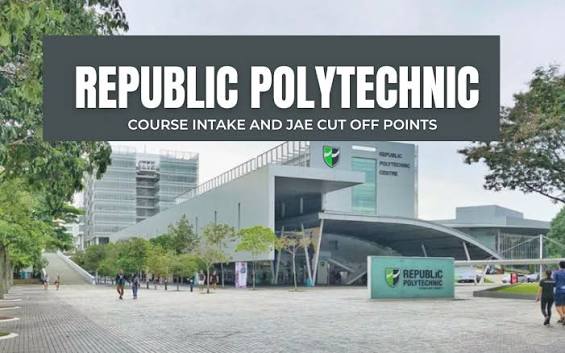
Choosing the right diploma programme is one of the most important decisions for students entering polytechnic education. Understanding the RP courses cut off point can help you make informed choices and improve your chances of securing admission into your preferred programme.
Republic Polytechnic (RP) offers a wide range of diploma courses across engineering, business, information technology, health sciences, and applied sciences. Every year, admission demand varies, causing cut-off points to change according to student performance and course popularity.
In this guide, you will learn how RP cut-off points work, what affects them, how to interpret admission ranges, and practical strategies to increase your chances of entering your desired course.
What Is the RP Courses Cut Off Point?
The RP courses cut off point refers to the admission score range of students who were successfully admitted into a particular Republic Polytechnic diploma programme during the previous admission exercise.
These points serve as a reference rather than a guaranteed admission requirement. They help students estimate how competitive a course may be.
The cut-off point is generally based on:
- Student demand
- Number of available vacancies
- Academic performance of applicants
- Course popularity
- Admission exercise results
For example, highly sought-after programmes usually have lower cut-off points because stronger applicants compete for limited places.
Therefore, students should use historical cut-off points as guidance when selecting courses.
How Republic Polytechnic Admission Works
Before evaluating any RP courses cut off point, it is important to understand the admission process.
Republic Polytechnic admits students through several pathways, including:
- Joint Admissions Exercise (JAE)
- Early Admissions Exercise (EAE)
- Direct Admissions Exercise (DAE)
- Polytechnic Foundation Programme (PFP)
Each admission route follows different evaluation criteria.
For JAE applicants, admission decisions largely depend on academic scores and course competitiveness. RP reviews applicants according to available vacancies and eligibility requirements. Official admissions information also highlights that course placement depends on qualification requirements and applicant performance.
Students should always meet the minimum entry requirements before considering a course.
RP Course Admission Requirements Explained
Understanding admission requirements is just as important as checking the RP courses cut off point.
Minimum Entry Requirements
Students must satisfy:
- English language requirements
- Relevant subject requirements
- Aggregate score requirements
- Course-specific prerequisites
Meeting these requirements makes a student eligible to apply.
However, eligibility does not guarantee admission.
Course Competitiveness
Some programmes receive significantly more applications than others.
Examples often include:
- Business courses
- Information technology programmes
- Applied science diplomas
- Health-related programmes
As a result, admission scores can become more competitive during certain years.
Student discussions and historical admission data consistently show that competitive courses often attract larger applicant pools.
Factors That Affect RP Courses Cut Off Point
The RP courses cut off point changes annually because admission outcomes are influenced by several variables.
Number of Applicants
When more students apply for a course, competition increases.
A larger applicant pool usually results in stricter admission scores.
Available Course Vacancies
Programmes with limited intake capacity tend to have lower admission ranges because fewer seats are available.
Academic Performance Trends
Strong overall student performance across Singapore can influence admission competitiveness.
If many applicants achieve excellent grades, cut-off points may become more selective.
Course Popularity
Emerging industries often drive demand.
Examples include:
- Artificial Intelligence
- Cybersecurity
- Data Analytics
- Digital Technology
These programmes frequently attract high numbers of applicants.
Popular RP Courses and Typical Admission Trends
While exact figures may change yearly, certain trends remain relatively consistent.
Business Programmes
Business-related diplomas remain popular among students interested in:
- Entrepreneurship
- Finance
- Marketing
- Management
These programmes often experience steady demand.
Information Technology Courses
Technology continues to be one of the fastest-growing industries.
Popular areas include:
- Information Technology
- Cybersecurity
- Software Development
- Data Analytics
Because of strong career prospects, these programmes often attract competitive applicants.
Engineering Diplomas
Engineering courses provide practical skills and industry-focused training.
Popular options include:
- Aerospace Engineering
- Electrical Engineering
- Mechanical Engineering
- Engineering Systems
Historical polytechnic data shows engineering programmes vary significantly in competitiveness depending on specialization.
Health and Applied Sciences
Healthcare and applied science fields continue to grow.
Students interested in laboratory sciences, health technology, and biomedical sectors often target these courses.
How to Use RP Cut Off Points Effectively
Many students misunderstand admission score ranges.
The RP courses cut off point should not be viewed as a guaranteed benchmark.
Instead, use it strategically.
Compare Your Score
Review previous admission ranges and compare them with your aggregate score.
If your score is stronger than the previous range, your chances may improve.
Create Balanced Course Choices
A smart application strategy includes:
- Dream choices
- Realistic choices
- Safety choices
This approach helps reduce admission risk.
Monitor Annual Changes
Cut-off points are not fixed.
They change according to demand and applicant performance each year.
Community discussions regularly emphasize that historical cut-off points serve as indicators rather than guaranteed admission thresholds.
Common Mistakes Students Make
Many applicants reduce their admission chances because of avoidable mistakes.
Ignoring Eligibility Requirements
Some students focus only on scores and overlook subject requirements.
This can lead to unsuccessful applications.
Applying Only for Competitive Courses
Submitting only highly competitive options increases admission risk.
A balanced selection strategy is much safer.
Misunderstanding Cut-Off Ranges
A previous year’s range does not guarantee the same outcome in the next intake.
Admission competition changes every year.
Neglecting Alternative Admission Routes
Students should also explore:
- EAE
- DAE
- PFP
- ITE progression pathways
These routes may provide additional opportunities.
Tips to Improve Your Chances of RP Admission
Students can improve their admission prospects through careful planning.
Focus on Strong Academic Performance
Consistently good grades remain the most important factor.
Research Multiple Courses
Avoid limiting yourself to a single programme.
Explore several courses that match your interests and strengths.
Prepare Early
Review admission requirements months before application deadlines.
Early preparation helps avoid last-minute mistakes.
Build Relevant Experience
For EAE applications, relevant achievements can strengthen your profile.
Examples include:
- Leadership activities
- Competitions
- Community projects
- Industry exposure
Official RP admission information highlights the importance of interests, aptitude, and relevant achievements for certain admission pathways.
Future Trends in RP Course Admissions
The education landscape continues to evolve.
Several trends may influence future RP courses cut off point patterns.
These include:
- Growth in AI-related programmes
- Increased demand for cybersecurity skills
- Expansion of digital business disciplines
- Greater emphasis on sustainability sectors
As industries evolve, student preferences often shift toward emerging career opportunities.
This may affect course popularity and future admission competitiveness.
Students who stay informed about industry trends can make better educational decisions.
Frequently Asked Questions
1. What is the RP courses cut off point?
The RP courses cut off point refers to the score range of students admitted into specific Republic Polytechnic diploma programmes during previous admission exercises.
2. Does meeting the RP courses cut off point guarantee admission?
No. Meeting the cut-off point does not guarantee admission because course demand and applicant competition vary yearly.
3. Why do RP cut-off points change every year?
Cut-off points change due to applicant numbers, academic performance, programme popularity, and available course vacancies.
4. Which RP courses are usually more competitive?
Business, information technology, applied sciences, and selected health-related programmes often attract higher competition.
5. How can I improve my chances of entering RP?
You can improve your chances by achieving strong grades, researching multiple courses, meeting eligibility requirements, and applying strategically.
Conclusion
Understanding the RP courses cut off point is essential for students planning their polytechnic journey. While admission scores provide valuable guidance, they should never be treated as fixed guarantees.
Successful applicants consider several factors, including eligibility requirements, programme competitiveness, academic performance, and available admission pathways. By researching carefully and selecting courses strategically, students can significantly improve their admission prospects.
Remember that cut-off points change annually based on demand and applicant performance. Therefore, always review the latest admission information before submitting your application.
Use this RP courses cut off point guide as a starting point, stay updated on admission trends, and make informed choices that align with your interests and career goals.