Located on the edge of Singapore’s Chinatown, keong saik has transformed from a historic district into one of the city’s most exciting lifestyle destinations. Once known for its colorful past, the neighborhood is now celebrated for beautifully restored shophouses, award-winning restaurants, boutique hotels, trendy cafés, and vibrant nightlife.
Today, visitors come to keong saik to experience a unique blend of heritage and modern culture. Whether you are a foodie, a history enthusiast, a photographer, or a traveler seeking authentic local experiences, this iconic street offers something memorable.
In this guide, you will learn about the area’s fascinating history, top attractions, dining options, accommodation choices, and practical tips for making the most of your visit.
The History of Keong Saik Road
The story of keong saik is one of Singapore’s most remarkable urban transformations.
Named after businessman and philanthropist Tan Keong Saik, the road became an important commercial area during the early twentieth century. Over time, it developed a reputation as a red-light district, particularly during the 1960s and 1970s. The neighborhood was filled with entertainment houses, brothels, and nightlife venues that shaped its identity for decades.
However, the area began changing in the 1990s. Conservation efforts helped preserve the historic shophouses, while new businesses moved into the district. Boutique hotels, restaurants, cafés, and creative enterprises gradually replaced older establishments.
Today, the district stands as a successful example of heritage preservation and urban renewal. Visitors can still see traces of its past while enjoying a completely modern experience.
Why Its History Matters
The neighborhood demonstrates how historic districts can evolve without losing their cultural identity.
Key historical highlights include:
- Conservation of heritage shophouses
- Preservation of architectural character
- Transformation into a lifestyle hub
- Continued connection to Chinatown’s heritage
Heritage Architecture and Cultural Charm
One of the biggest attractions of keong saik is its stunning architecture.
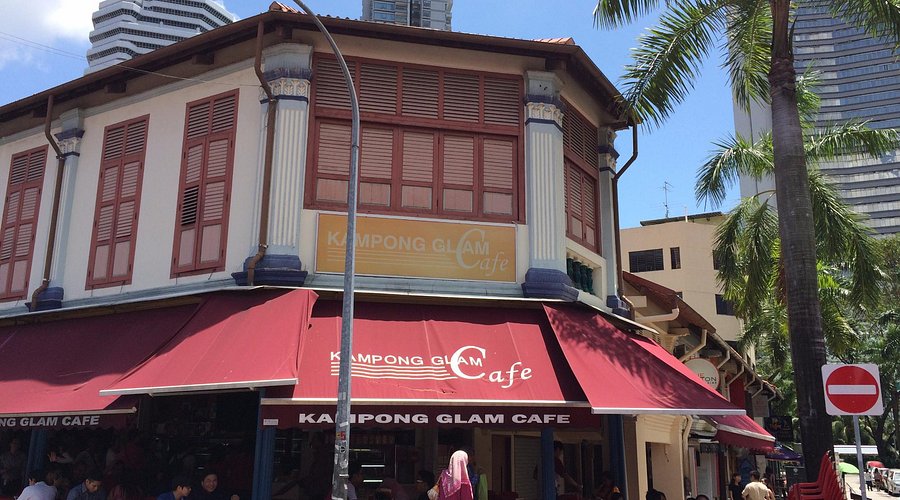
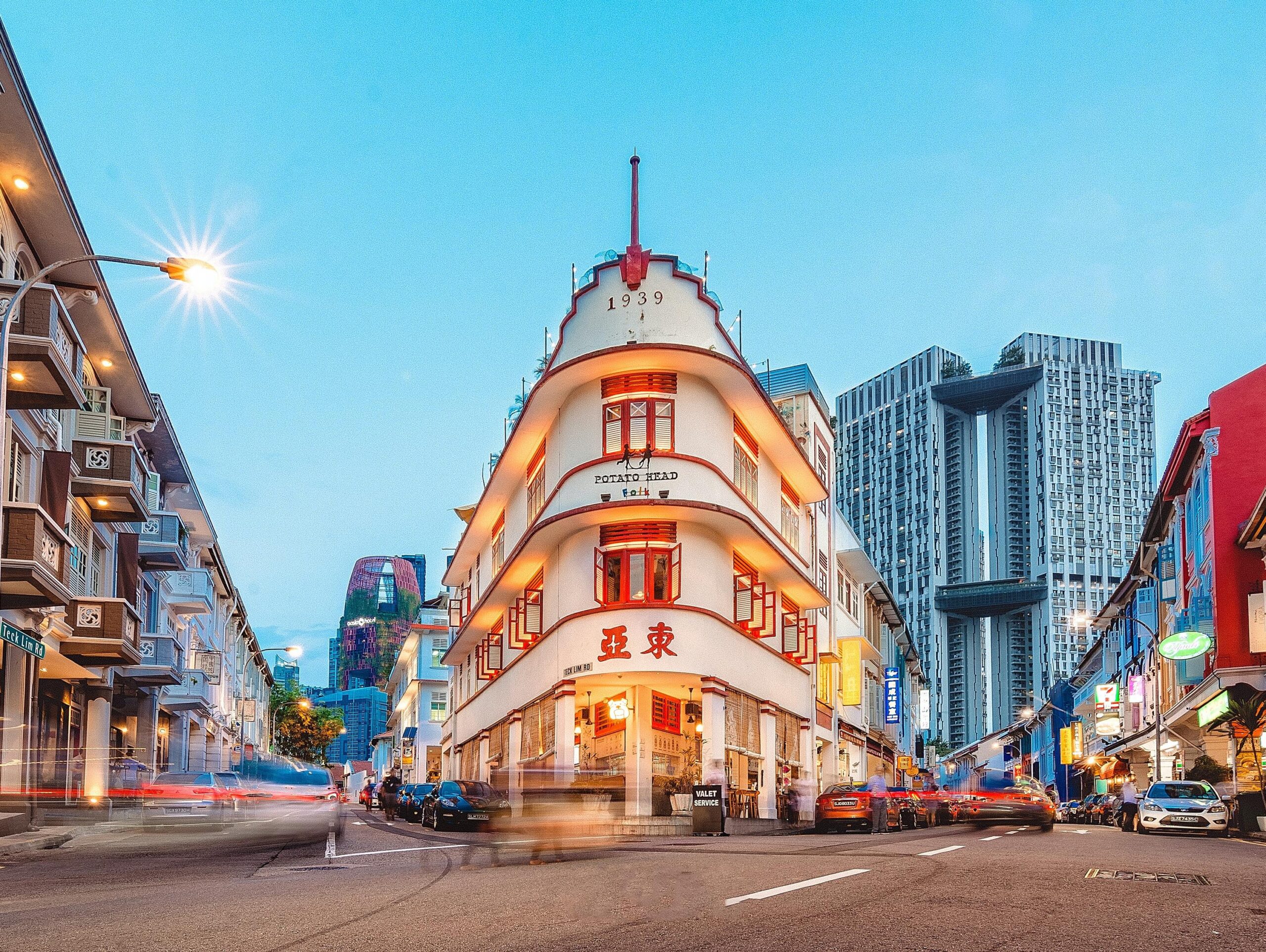
The street is lined with colorful shophouses that showcase a blend of Chinese, Malay, European, and Peranakan influences. Many of these buildings date back decades and have been carefully restored to maintain their original character.
Walking through the neighborhood feels like stepping into a living museum. Decorative facades, wooden shutters, intricate tiles, and covered walkways create an atmosphere that combines nostalgia with sophistication.
Architectural Features Worth Noticing
When exploring the district, pay attention to:
- Ornate window frames
- Traditional five-foot walkways
- Colorful pastel facades
- Art Deco influences
- Restored heritage storefronts
Photographers especially love the area because every corner offers unique visual opportunities.
Moreover, local street art and creative installations add a modern layer to the historical setting, making the neighborhood visually engaging for visitors of all ages.
Best Restaurants and Food Experiences in Keong Saik
The keong saik restaurants scene is one of the main reasons travelers visit the area.
Over the years, the neighborhood has become a culinary hotspot featuring diverse cuisines from around the world. Food lovers can enjoy everything from local Singaporean dishes to contemporary fine dining experiences.
The district attracts talented chefs and innovative restaurateurs who appreciate the area’s unique atmosphere.
Popular Dining Options
Visitors can find:
- Modern Asian restaurants
- European bistros
- Fine dining venues
- Fusion cuisine concepts
- Local Singaporean eateries
What Makes the Food Scene Special?
Unlike larger commercial dining districts, the restaurants here often occupy beautifully restored heritage buildings. This creates an intimate atmosphere that enhances the overall dining experience.
In addition, many venues focus on creative menus, premium ingredients, and distinctive interiors that attract both locals and tourists.
Whether you’re looking for a casual brunch or a memorable dinner, the neighborhood offers plenty of choices.
Boutique Hotels and Accommodation
The rise of boutique hotels in Singapore has played a major role in the area’s popularity.
Several heritage shophouses have been converted into stylish accommodations while retaining their architectural charm. These properties provide a unique alternative to standard hotel chains.
Guests enjoy a combination of historical character and modern comfort.
Benefits of Staying in the Area
Accommodation here offers:
- Easy access to Chinatown
- Walkable attractions
- Distinctive architecture
- Unique interior designs
- Convenient transportation links
Many travelers choose the neighborhood because it provides a more authentic experience compared to larger commercial districts.
Furthermore, the location allows visitors to explore nearby cultural attractions, shopping areas, and dining destinations without spending excessive time commuting.
Nightlife and Entertainment
Although the district’s nightlife has evolved over time, it remains one of Singapore’s most interesting evening destinations.
The neighborhood features cocktail bars, rooftop venues, wine lounges, and intimate social spaces. Rather than focusing on large-scale clubbing, the area emphasizes quality experiences and stylish environments.
Evening Activities to Enjoy
Popular options include:
- Craft cocktail bars
- Wine tasting venues
- Rooftop lounges
- Live music events
- Late-night dining experiences
The combination of heritage architecture and contemporary entertainment creates an atmosphere that feels both sophisticated and relaxed.
As a result, many visitors prefer spending an evening here rather than in busier nightlife districts.
Things to Do Near Chinatown Singapore
One advantage of visiting Chinatown Singapore attractions near the district is the variety of experiences available within walking distance.
The area serves as an excellent starting point for exploring Singapore’s cultural heritage.
Nearby Attractions
You can easily visit:
- Historic temples
- Traditional markets
- Heritage museums
- Cultural landmarks
- Local food centers
Several notable religious sites also reflect Singapore’s multicultural identity. The nearby temples showcase both architectural beauty and cultural significance.
Walking Tours and Exploration
Many travelers enjoy self-guided walking tours because the neighborhood is compact and pedestrian-friendly.
A typical walking route may include:
- Heritage shophouses
- Street art locations
- Cafés and bakeries
- Historic temples
- Chinatown landmarks
This approach allows visitors to experience both historical and contemporary aspects of the district.
Travel Tips for First-Time Visitors
If you are planning your first visit, a little preparation can enhance your experience.
Best Time to Visit
Morning visits offer:
- Fewer crowds
- Better photography conditions
- Cooler temperatures
Evening visits provide:
- Vibrant dining atmosphere
- Beautiful lighting
- Active nightlife scene
Transportation Tips
The area is easily accessible via public transportation and is well connected to other parts of Singapore.
Walking remains the best way to explore the neighborhood because many attractions are located close together.
What to Bring
Consider carrying:
- Comfortable walking shoes
- Water bottle
- Camera or smartphone
- Portable charger
- Light clothing
These simple preparations can make your exploration more enjoyable.
Why Keong Saik Continues to Attract Visitors
The enduring appeal of keong saik lies in its ability to combine multiple experiences within a relatively small area.
Visitors can learn about Singapore’s history, admire heritage architecture, enjoy world-class dining, stay in boutique accommodations, and experience vibrant nightlife—all within a short walking distance.
Unlike destinations that focus on a single attraction, this neighborhood offers a complete urban experience. Its transformation from a historic red-light district into a celebrated lifestyle destination also reflects Singapore’s broader story of growth and reinvention.
As tourism continues to evolve, the district remains one of the most distinctive neighborhoods in the city.
Frequently Asked Questions
1. What is Keong Saik famous for?
Keong Saik is famous for its restored heritage shophouses, diverse food scene, boutique hotels, and rich historical background.
2. Is Keong Saik worth visiting?
Yes. The area offers history, architecture, dining, nightlife, and cultural attractions within a walkable neighborhood.
3. How do I get to Keong Saik Road?
Visitors can reach the area through Singapore’s MRT system, taxis, ride-hailing services, or by walking from nearby Chinatown.
4. What are the best keong saik restaurants?
The district features a wide range of dining options, including fine dining establishments, cafés, modern Asian restaurants, and international cuisine venues.
5. How much time should I spend exploring the area?
Most visitors spend between two and five hours exploring the neighborhood, dining, and visiting nearby attractions.
Conclusion
Keong saik stands as one of Singapore’s most fascinating urban success stories. From its colorful historical roots to its current status as a lifestyle and cultural hotspot, the district offers an experience that blends heritage, creativity, and modern sophistication.
Visitors can admire beautifully preserved architecture, discover exceptional dining experiences, stay in stylish boutique hotels, and enjoy a vibrant atmosphere that reflects the city’s dynamic character. Its location near Chinatown adds even more value, providing easy access to some of Singapore’s most important cultural attractions.
Whether you are visiting Singapore for the first time or returning to explore beyond the usual tourist destinations, keong saik deserves a place on your itinerary.
Start planning your visit today and experience one of Singapore’s most distinctive neighborhoods for yourself.