Walk through Little India on a weekend and you’ll see colorful shophouses, bustling markets, and the aroma of spices drifting through the streets. Yet many Singaporeans pass by the Indian Heritage Centre without ever stepping inside.
That’s a missed opportunity.
The Indian Heritage Centre isn’t just another museum. It’s a place where stories of migration, resilience, trade, and community come together to explain an important part of Singapore’s identity. Whether you’re a student, a parent looking for an educational outing, or simply someone curious about Singapore history, there’s plenty to discover here.
What makes the Indian Heritage Centre worth visiting, what to see inside, how to plan your visit, and why it remains one of Singapore’s most underrated cultural attractions.
Why the Indian Heritage Centre Matters in Singapore
The Indian Heritage Centre tells the story of Singapore Indian heritage through a collection of permanent galleries, historical artefacts, and interactive exhibits that span centuries.
Many people assume the museum focuses only on the Indian community in Singapore. In reality, it explores a much broader story. You’ll learn about ancient trade routes, South Asian history, migration patterns, and the role Indian communities played in shaping modern Singapore.
What makes the experience different is the way it connects personal stories with larger historical events.
Instead of presenting history as a list of dates, the centre shows how real people traveled, worked, built businesses, and established communities across Southeast Asia.
For Singaporeans, that context matters because it helps explain how multicultural Singapore developed into the society we know today.
A Building with a Story of Its Own
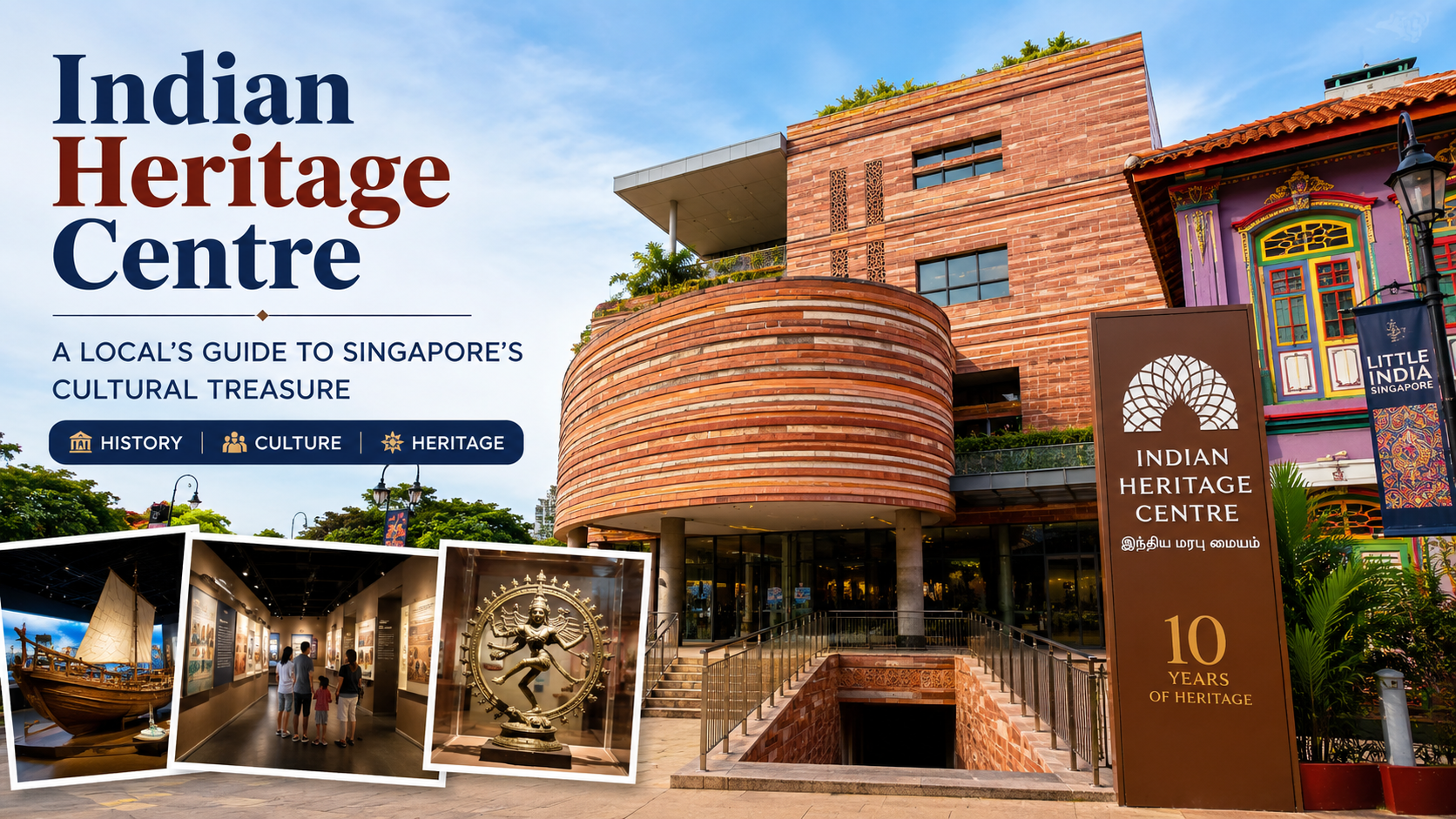
Before you even enter, take a moment to appreciate the architecture design.
The building draws inspiration from traditional Indian stepwells known as baolis. These structures were historically used to collect water while serving as gathering places for communities.
The baoli-inspired building stands out among the surrounding shophouses and reflects the centre’s mission of bringing people together through cultural heritage.
What You’ll Find Inside the Permanent Galleries
One of the biggest surprises for first-time visitors is how much there is to see.
The permanent galleries are arranged across several levels, each focusing on a different period of history and cultural development.
Ancient Connections and Trade Networks
The journey begins with ancient links between South Asia and Southeast Asia.
You’ll discover how traders crossed oceans long before modern transportation existed. These early connections influenced language, religion, art, and commerce throughout the region.
Many visitors find this section fascinating because it shows that globalization isn’t a modern concept. People have been exchanging ideas and goods across borders for centuries.
Migration and Community Building
The next section explores Indian migration to Singapore.
You’ll see stories of merchants, laborers, teachers, civil servants, and entrepreneurs who arrived with different goals but ultimately contributed to Singapore history.
Personal photographs, letters, and historical artefacts help bring these stories to life.
Rather than focusing only on famous figures, the exhibits highlight everyday people whose efforts helped build communities.
Modern Contributions
The final galleries examine how Singapore Indian heritage continues to evolve.
Topics include education, business, politics, arts, and cultural preservation.
This section often resonates most strongly with local visitors because many of the stories feel familiar and relevant to contemporary Singapore.
The Best Exhibits to Prioritize If You’re Short on Time
Not everyone has half a day to spend in a heritage museum.
If you only have 60 to 90 minutes, start with these highlights.
Migration Stories
These exhibits consistently attract attention because they combine personal experiences with major historical developments.
Visitors often spend longer here than expected because the stories feel relatable.
Historical Artefacts
The collection includes religious objects, textiles, trade items, and cultural objects that help explain different aspects of community heritage.
Seeing these items up close adds a level of connection that books simply can’t provide.
Interactive Exhibits
Families and younger visitors tend to gravitate toward interactive exhibits.
These hands-on elements make the educational experience more engaging while helping visitors understand complex historical topics.
Architecture Viewing Areas
Several sections offer excellent perspectives of the building’s interior structure.
They’re often overlooked but worth taking a few minutes to appreciate.
How to Combine Your Visit with a Little India Exploration
Here’s where many guides fall short.
The Indian Heritage Centre becomes even more rewarding when paired with a walk through Little India.
Think of the museum as the introduction and the neighborhood as the living continuation of the story.
Suggested Half-Day Itinerary
Start your morning at the centre.
Spend around 90 minutes exploring the galleries and learning about the area’s history.
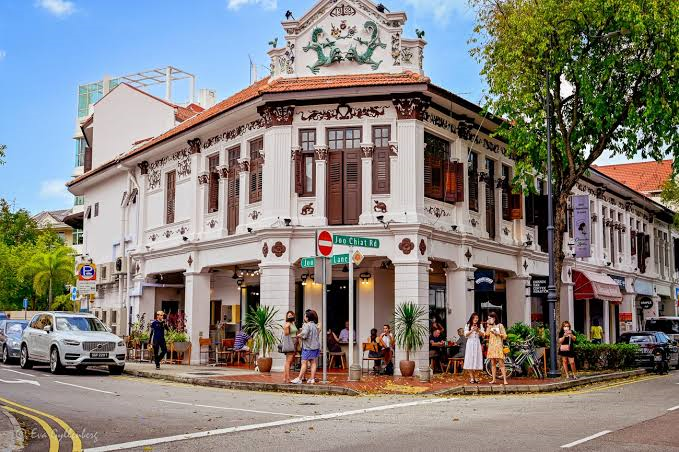
Afterward, head into Little India and look for examples of cultural traditions still thriving today.
You’ll notice:
- Historic shophouses
- Traditional businesses
- Religious landmarks
- Local eateries
- Cultural festivals and decorations
The experience feels richer because you’ll recognize many themes introduced inside the museum.
During Festival Seasons
If possible, visit during major cultural festivals.
Events connected to Deepavali, Pongal, and other celebrations often bring additional programs, workshops, and community activities.
These periods offer a unique opportunity to see cultural heritage in action rather than only through exhibits.
Is the Indian Heritage Centre Suitable for Families?
Absolutely.
Many parents worry that heritage museums may feel too academic for children.
The centre does a good job balancing education with engagement.
What Younger Visitors Enjoy
Children often respond well to:
- Interactive exhibits
- Visual displays
- Cultural objects
- Multimedia presentations
- Festival-related activities
Because the galleries combine storytelling with visuals, younger visitors can remain engaged even if they don’t understand every historical detail.
Educational Benefits
For parents, the centre offers a valuable way to introduce children to multicultural Singapore.
The lessons extend beyond one community.
Kids learn about diversity, migration, identity, and the shared experiences that helped shape the nation.
That’s knowledge that stays relevant long after the visit ends.
Practical Tips for First-Time Visitors
A few simple strategies can improve your experience significantly.
Visit Early
Morning visits are generally quieter.
You’ll have more space to explore exhibits and take photographs without crowds.
Allow Enough Time
Most visitors spend between 1.5 and 2 hours inside.
History enthusiasts may easily spend longer.
Read the Story Panels
It’s tempting to move quickly through galleries.
However, many of the most interesting details are found in the exhibit descriptions.
Take your time.
Join a Guided Tour If Available
Guided tours often reveal stories and insights that casual visitors might miss.
They’re especially useful if you’re visiting for the first time.
Explore Beyond the Main Displays
Some visitors rush toward the larger exhibits.
Don’t overlook smaller sections that highlight community heritage and personal stories.
These areas often provide the most memorable moments.
What Makes the Indian Heritage Centre Different from Other Museums?
Singapore has no shortage of museums and cultural attractions.
So why choose this one?
The answer lies in its focus.
Rather than covering broad national themes, the centre takes a deep look at one important aspect of Singapore history while still connecting it to the bigger picture.
That balance creates a more personal experience.
Visitors don’t just learn facts.
They learn how families migrated, how communities formed, and how traditions evolved over generations.
The museum also succeeds because it feels approachable.
You don’t need prior knowledge of South Asian history to enjoy the exhibits.
Everything is presented in a way that welcomes curious visitors regardless of background.
Why More Singaporeans Should Visit
Tourists often discover the Indian Heritage Centre before locals do.
That’s unfortunate because many of its lessons are particularly relevant to people who call Singapore home.
Understanding Singapore Indian heritage helps deepen our understanding of multicultural Singapore as a whole.
The centre reminds us that today’s society was built through generations of effort, adaptation, and cooperation among diverse communities.
Even if you’ve lived in Singapore your entire life, chances are you’ll leave having learned something new.
And that’s the mark of a worthwhile museum.
Conclusion
The Indian Heritage Centre offers much more than a collection of exhibits. It provides context for the stories, traditions, and communities that helped shape modern Singapore.
From ancient trade networks and Indian migration stories to interactive exhibits and cultural festivals, every gallery adds another layer to the broader story of multicultural Singapore.
Whether you’re visiting for educational reasons, family activities, or simple curiosity, the experience rewards anyone willing to spend a couple of hours exploring.
The next time you’re in Little India, don’t just walk past the building. Step inside, take your time, and discover a side of Singapore history that many locals have yet to experience.
Frequently Asked Questions
1. Is admission to the Indian Heritage Centre free?
Singapore Citizens and Permanent Residents typically enjoy free admission to the permanent galleries. Visitors should check the official website before visiting in case of updated policies or special exhibition charges.
2. How long does it take to visit the Indian Heritage Centre?
Most visitors spend between 1.5 and 2 hours exploring the galleries. If you’re interested in reading every display and participating in activities, you may want to allow additional time.
3. Is the Indian Heritage Centre suitable for children?
Yes. The family-friendly museum includes interactive exhibits, multimedia displays, and educational content that can help younger visitors engage with history in an enjoyable way.
4. What is the best time to visit the Indian Heritage Centre?
Weekday mornings are usually quieter. Festival periods can be exciting because additional cultural festivals and programs are often available, though visitor numbers may be higher.
5. What makes the Indian Heritage Centre unique?
The Indian Heritage Centre focuses specifically on Singapore Indian heritage while connecting it to broader Singapore history and South Asian history. This specialized approach offers insights that aren’t typically covered in other museums.