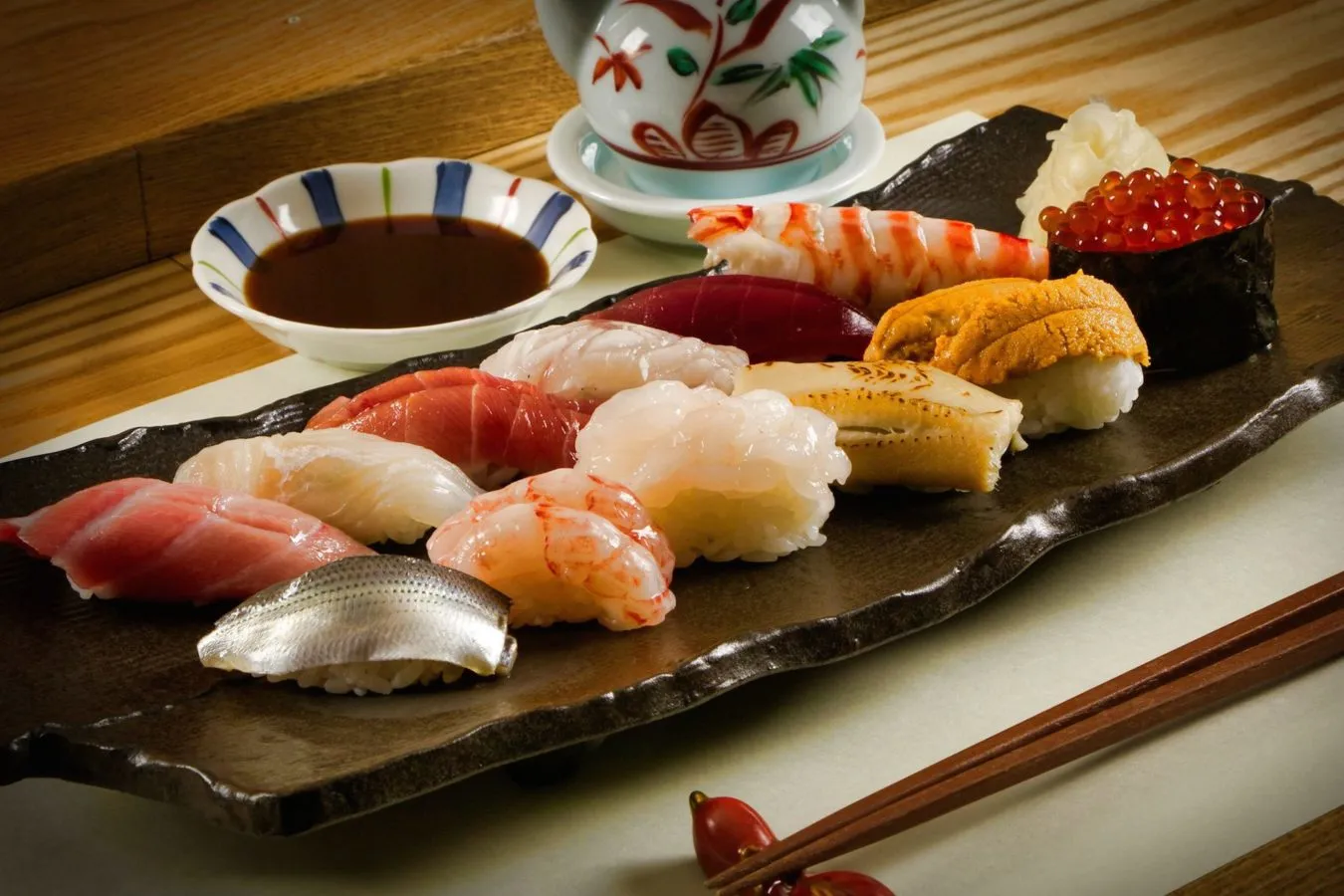
Finding the best omakase Singapore experience can feel overwhelming, especially with so many high-end Japanese restaurants offering seasonal menus and chef-curated tasting journeys. Omakase dining is all about trust—letting the chef decide your meal based on fresh ingredients, creativity, and tradition.
In this guide, you will discover how to choose the right omakase experience, what to expect in terms of pricing, and which dining styles stand out in Singapore’s competitive food scene. We will also explore expert tips to help you enjoy a truly memorable Japanese fine dining journey. Whether you are a first-timer or a seasoned sushi lover, this article will help you navigate the world of omakase with confidence.
What Makes the Best Omakase Singapore Experience Stand Out
The best omakase Singapore restaurants share a few defining qualities that elevate them above standard Japanese dining. At its core, omakase is about craftsmanship, seasonality, and trust between chef and guest.
One key factor is ingredient quality. Top restaurants import premium fish from Japan multiple times a week to ensure freshness. Another factor is chef expertise. Many chefs train for years under Japanese masters before leading their own counters in Singapore.
Moreover, the dining atmosphere plays a huge role. Intimate counter seating allows guests to interact directly with the chef, enhancing the experience. This personal connection is what makes omakase so unique compared to regular sushi restaurants.
Key features include:
- Seasonal ingredients flown from Japan
- Chef-curated tasting menus
- Intimate counter-style seating
- Personalized dining experience
Therefore, when evaluating the best omakase Singapore options, it is important to look beyond price and focus on authenticity, technique, and storytelling through food.
How to Choose the Best Omakase Singapore Restaurant
Selecting the right place for the best omakase Singapore experience requires careful consideration. With so many options available, it helps to understand what separates a good restaurant from an exceptional one.
First, consider the chef’s background. Many top omakase chefs in Singapore have trained in Tokyo or Osaka. Their experience often reflects in the precision and creativity of each dish.
Second, evaluate the menu structure. A good omakase meal should offer balance—starting with lighter dishes like sashimi and gradually moving toward richer flavors such as wagyu or uni.
Third, check reviews and consistency. While social media can highlight trends, long-term customer feedback gives better insight into quality.
Things to look for:
- Chef training and experience
- Seasonal menu variety
- Restaurant reputation and consistency
- Ingredient sourcing transparency
Additionally, pricing can be an indicator of quality, but it should not be the only factor. Some mid-range restaurants also deliver excellent best omakase Singapore experiences without extremely high prices.
Top Dining Styles in Best Omakase Singapore Restaurants
The best omakase Singapore dining scene offers several distinct styles, each catering to different preferences and budgets.
One popular style is traditional Edomae sushi omakase. This focuses on classic Japanese techniques, including aged fish and vinegared rice pairing. It is ideal for purists who appreciate authenticity.
Another style is modern fusion omakase. Here, chefs incorporate international ingredients and creative plating techniques while maintaining Japanese foundations. This appeals to adventurous diners seeking something unique.
There is also luxury omakase, which features premium ingredients like A5 wagyu, Hokkaido uni, and truffle-infused dishes. These experiences are often priced higher but deliver exceptional indulgence.
Common styles include:
- Traditional Edomae sushi omakase
- Modern fusion omakase
- Luxury premium omakase
In addition, some restaurants offer seasonal themed menus that change monthly. This ensures repeat diners always experience something new, reinforcing why Singapore is home to some of the best omakase Singapore experiences in Asia.
Understanding Omakase Singapore Price and Value
When exploring the best omakase Singapore, pricing is an important consideration. Omakase meals in Singapore typically range from mid-tier to ultra-luxury dining experiences.
Mid-range omakase usually starts around SGD 80–150 per person, offering a solid introduction to sushi craftsmanship. Premium experiences can range from SGD 200–400, while high-end counters may exceed SGD 500 depending on ingredients and exclusivity.
However, price does not always determine quality. Some lesser-known restaurants provide outstanding value with exceptional chef skill and ingredient sourcing.
Factors affecting price:
- Imported Japanese ingredients
- Chef reputation and experience
- Number of courses served
- Restaurant exclusivity
According to insights from Moz and SEMrush, perceived value in dining content significantly influences customer decisions, especially in luxury food categories like omakase.
Ultimately, the best omakase Singapore experience is one that balances quality, creativity, and value rather than focusing purely on cost.
Reservation Tips for Best Omakase Singapore Dining
Booking a seat at the best omakase Singapore restaurants requires planning, as many top counters have limited seating and high demand.
Most omakase restaurants operate with small seating capacities, often between 6 to 12 seats per session. This means reservations can fill up weeks in advance.
To improve your chances:
- Book at least 2–4 weeks early
- Follow restaurant social media for openings
- Be flexible with dining dates and times
- Consider weekday reservations for better availability
Additionally, some restaurants release last-minute slots, which can be a great opportunity for spontaneous diners.
Proper etiquette is also important. Arriving on time and respecting the chef’s pacing ensures a smooth dining experience.
Therefore, planning ahead is essential if you want to enjoy the best omakase Singapore without disappointment.
Common Mistakes to Avoid in Omakase Dining
Even experienced diners can make mistakes when exploring the best omakase Singapore restaurants. Avoiding these errors can significantly improve your experience.
One common mistake is arriving late. Omakase is a timed experience, and delays can disrupt the chef’s flow.
Another mistake is overpowering dishes with condiments. Chefs carefully balance flavors, so excessive soy sauce or wasabi can ruin the intended taste.
Additionally, many first-timers expect large portions. Omakase focuses on quality and progression, not quantity.
Avoid these mistakes:
- Arriving late to your reservation
- Overusing soy sauce or wasabi
- Expecting buffet-style portions
- Interrupting the chef during service
By following proper etiquette, you can fully appreciate why omakase is considered one of the most refined dining styles and why people search for the best omakase Singapore experiences repeatedly.
Conclusion
The best omakase Singapore dining experience is more than just a meal—it is a carefully curated journey led by expert chefs who prioritize seasonality, technique, and presentation. From understanding pricing structures to selecting the right restaurant style, every detail contributes to a memorable culinary experience.
Singapore’s omakase scene continues to evolve, offering everything from traditional Edomae sushi to modern fusion interpretations. Whether you are exploring it for the first time or returning as a seasoned enthusiast, the key is to appreciate the craftsmanship behind every dish.
By choosing wisely and respecting dining etiquette, you can enjoy a truly exceptional experience that reflects the essence of Japanese fine dining.
Start exploring and book your next best omakase Singapore experience today to enjoy a world-class culinary journey.
FAQs
1. What is included in a typical omakase menu?
A typical omakase menu includes seasonal sashimi, sushi courses, appetizers, and sometimes wagyu or dessert, depending on the restaurant.
2. How much does omakase cost in Singapore?
Prices vary widely, ranging from around SGD 80 to over SGD 500 depending on the restaurant and ingredients used.
3. Why is omakase expensive?
Omakase is expensive due to premium imported ingredients, skilled chefs, and personalized dining experiences.
4. How early should I book omakase in Singapore?
It is recommended to book at least 2–4 weeks in advance, especially for popular restaurants.
5. Is omakase suitable for beginners?
Yes, omakase is beginner-friendly and a great way to explore Japanese cuisine curated by expert chefs.