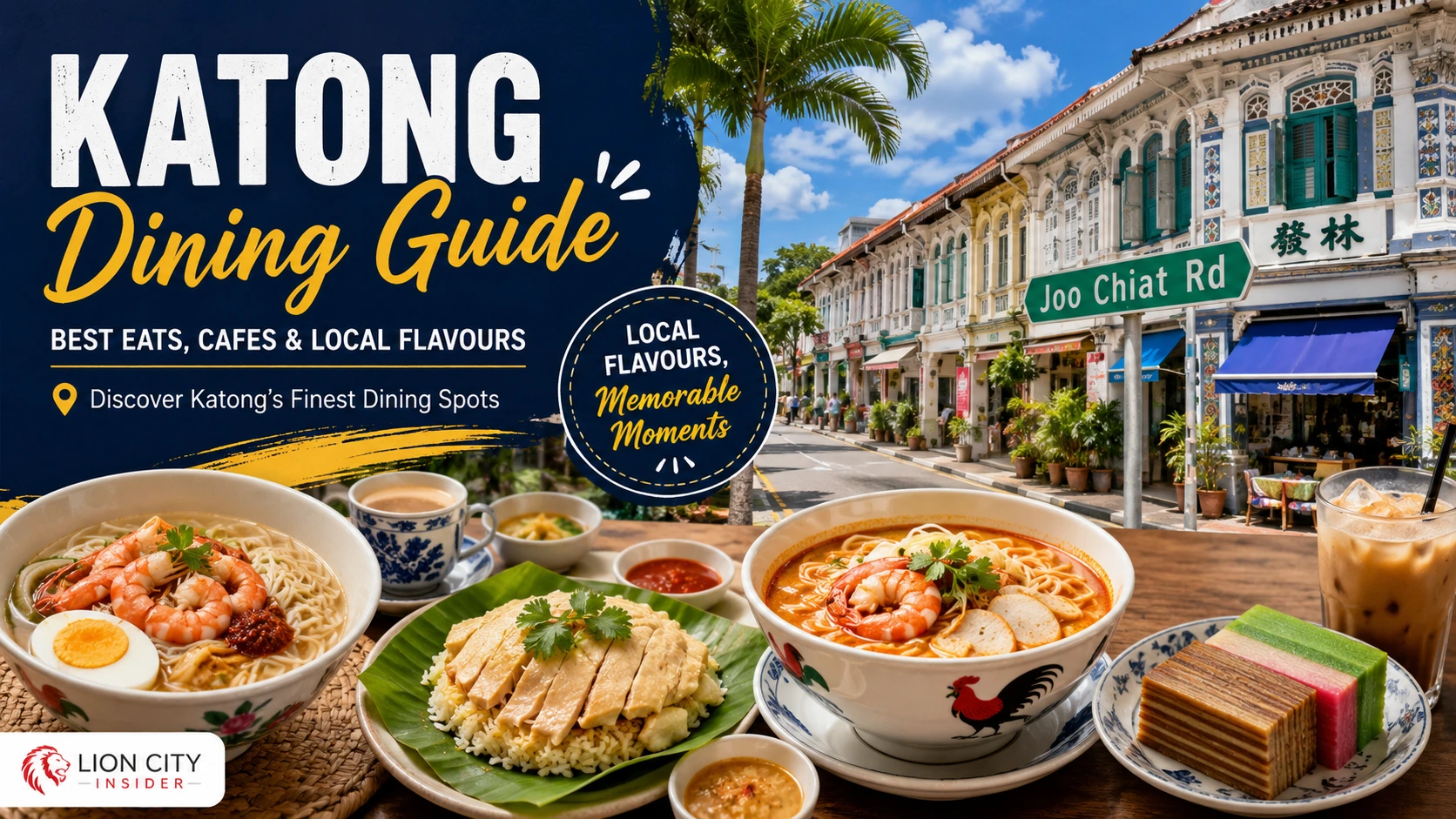
Katong has a personality that’s hard to copy. Walk through its colorful streets and you’ll quickly notice that food isn’t just something people eat here—it’s part of the neighborhood’s identity. Traditional Peranakan recipes sit comfortably beside trendy cafés, seafood restaurants, dessert shops, and cozy brunch spots. That’s exactly why this Katong Dining Guide exists. Whether you’re visiting Singapore for the first time or simply looking for somewhere new to eat, this guide will help you discover some unforgettable flavors.
The beauty of using this Katong Dining Guide is that there’s no single “best” restaurant. Everyone finds a favorite… and honestly, that’s part of the fun.
1. Start with Authentic Peranakan Cuisine
No Katong Dining Guide would be complete without mentioning Peranakan food. Katong is widely known as one of Singapore’s cultural homes for Peranakan heritage, and many family-run restaurants continue serving recipes passed down through generations.
Expect dishes like Ayam Buah Keluak, Beef Rendang, Babi Pongteh, Laksa, and Kueh desserts that balance sweet and savory flavors beautifully. These meals aren’t rushed—they’re carefully prepared, making every bite feel comforting.
If you want to understand Katong, begin here.
2. Taste the Famous Katong Laksa
Ask almost anyone about Katong, and laksa will probably be the first thing they mention.
This Katong Dining Guide strongly recommends trying at least one bowl while you’re exploring. The rich coconut broth, spicy sambal, fresh cockles, prawns, and shortened noodles create one of Singapore’s most recognizable dishes.
Some locals debate endlessly about which stall serves the best version. That’s okay. Half the experience is tasting several bowls yourself.
3. Discover Cozy Cafés
Coffee lovers won’t be disappointed.
Modern cafés are scattered throughout the neighborhood, offering everything from artisan espresso and pour-over coffee to homemade pastries and brunch classics.
Many cafés feature restored shophouses with vintage décor, making them perfect places to slow down after walking around.
A good Katong Dining Guide isn’t only about traditional food. It’s also about finding these peaceful corners where excellent coffee meets beautiful surroundings.
4. Enjoy Fresh Seafood
Being close to Singapore’s eastern coastline has influenced Katong’s dining scene for decades.
Seafood restaurants serve fresh crabs, prawns, fish, squid, clams, and oysters prepared using Chinese, Malay, and local cooking styles.
Chili Crab and Black Pepper Crab remain crowd favorites, but grilled fish and butter prawns deserve attention too.
The seafood choices alone make this Katong Dining Guide worth following.
5. Visit Traditional Bakeries
One thing visitors often overlook is Katong’s collection of traditional bakeries.
Fresh egg tarts, kaya buns, pineapple tarts, butter cakes, chiffon cakes, and handmade pastries are available throughout the area.
Some bakeries have been operating for decades, quietly serving loyal customers every morning.
This part of the Katong Dining Guide is especially useful if you enjoy taking edible souvenirs home.
6. Try International Cuisine
Katong isn’t limited to local dishes.
You’ll also discover Japanese sushi, Korean barbecue, Italian pasta, French bakeries, Thai restaurants, Vietnamese pho, Indian cuisine, and Western steakhouses.
That diversity makes dining here surprisingly exciting.
And sometimes you’ll walk into a restaurant without planning to… and end up loving it.
That’s the charm highlighted throughout this Katong Dining Guide.
7. Don’t Miss Local Dessert Shops
After a satisfying meal, dessert feels almost mandatory.
Ice kachang, chendol, tau suan, mango desserts, waffles, gelato, shaved ice, and handmade cakes are all easy to find around Katong.
Many dessert shops combine modern presentation with traditional recipes.
A complete Katong Dining Guide always leaves room for something sweet.
8. Explore Hawker Food
Luxury restaurants are wonderful.
But hawker centres remain the heart of Singapore’s food culture.
You’ll find chicken rice, char kway teow, satay, fried carrot cake, nasi lemak, rojak, popiah, Hokkien mee, and countless affordable dishes.
One of the best parts of this Katong Dining Guide is realizing you don’t need an expensive meal to eat incredibly well.
Sometimes the smallest stalls serve the biggest flavors.
9. Experience Weekend Brunch
Weekends completely transform Katong.
Families gather for breakfast while friends spend hours chatting over pancakes, eggs Benedict, sourdough toast, avocado bowls, smoothies, and specialty coffee.
Brunch culture has become an important part of the neighborhood.
This Katong Dining Guide recommends arriving early because popular cafés fill quickly.
10. Explore Hidden Food Gems
Not every excellent restaurant appears on travel lists.
Tiny noodle shops, quiet Peranakan kitchens, independent cafés, and family-owned eateries often surprise visitors.
Some don’t spend money on advertising.
Instead, locals simply keep returning.
That’s why every Katong Dining Guide should encourage a little curiosity.
Walk down smaller streets.
You might discover your favorite meal there.
11. Perfect Place for Family Dining
Families appreciate Katong because restaurants cater to every age group.
Kids enjoy pizza, burgers, pasta, and desserts, while adults can explore authentic Singaporean dishes or international cuisine.
Large seating areas, relaxed environments, and welcoming service make dining comfortable.
This Katong Dining Guide is ideal whether you’re planning lunch with friends or dinner with the whole family.
12. Budget-Friendly Dining Options
Not every meal needs a premium price tag.
Katong offers affordable cafés, noodle shops, hawker stalls, and casual restaurants that deliver impressive quality without stretching your budget.
Students, tourists, and locals all benefit from these wallet-friendly choices.
That’s another reason this Katong Dining Guide continues attracting food lovers.
13. Evening Dining Atmosphere
As daylight fades, Katong changes again.
Restaurants become livelier, cafés glow with warm lighting, and diners fill outdoor seating areas.
There’s something relaxing about enjoying dinner while watching the neighborhood come alive.
This evening experience adds another memorable chapter to the Katong Dining Guide.
14. Helpful Dining Tips
Before finishing this Katong Dining Guide, here are a few practical suggestions:
- Visit popular restaurants outside peak hours.
- Carry cash because some smaller eateries still prefer it.
- Wear comfortable shoes since Katong is enjoyable on foot.
- Reserve tables for weekends when possible.
- Don’t hesitate to ask locals for recommendations.
Those spontaneous suggestions often lead to the best meals.
15. Why Food Lovers Keep Returning
People rarely visit Katong only once.
There’s simply too much to eat.
Every return trip introduces another café, another bowl of laksa, another hidden bakery, another unforgettable dessert.
That’s exactly what makes this Katong Dining Guide so valuable—it helps you begin exploring while leaving plenty of delicious discoveries for future visits.
Conclusion
Katong remains one of Singapore’s most exciting food destinations because it blends history, culture, and incredible flavors into one welcoming neighborhood. From authentic Peranakan cuisine and world-famous laksa to modern cafés, seafood restaurants, traditional bakeries, hawker favourites, and international dining, there’s something for every taste and budget. This Katong Dining Guide is designed to help you enjoy both famous attractions and hidden local gems. Whether you’re planning a quick lunch, a weekend brunch, or an evening food adventure, Katong promises memorable meals you’ll want to experience again.
Frequently Asked Questions
1. What is Katong famous for?
Katong is famous for Peranakan culture, traditional shophouses, authentic local food, and especially its well-known Katong Laksa.
2. Is Katong good for family dining?
Yes. Katong has numerous family-friendly restaurants, cafés, casual eateries, and hawker stalls suitable for visitors of all ages.
3. Can I find budget-friendly food in Katong?
Absolutely. Hawker centres, local noodle shops, and casual eateries provide delicious meals at affordable prices.
4. What food should I try first in Katong?
Most visitors begin with Katong Laksa, Peranakan dishes, local desserts, fresh seafood, and traditional pastries.
5. When is the best time to visit Katong for dining?
Weekday afternoons are usually quieter, while weekends offer a lively atmosphere with busy cafés and restaurants. Early arrivals help avoid long waiting times.