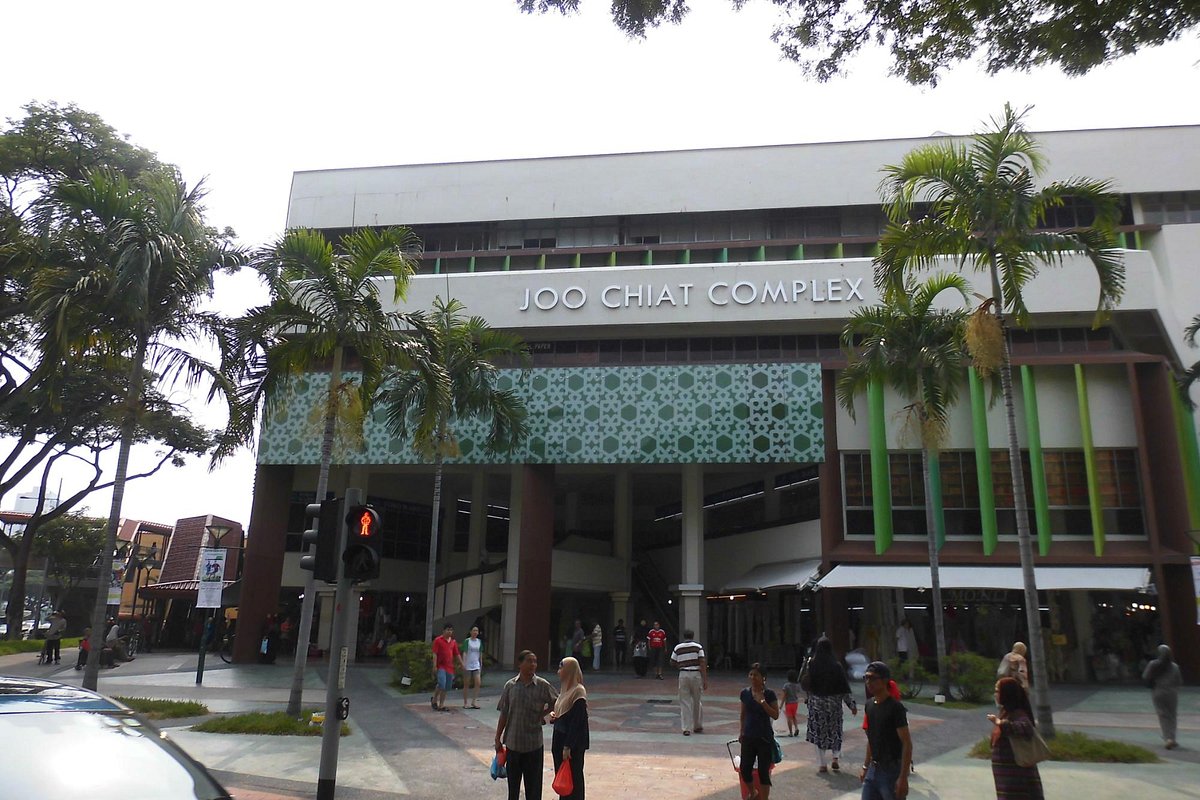
If you’ve lived in Singapore for a while, chances are you’ve heard someone mention Joo Chiat Complex when talking about traditional clothing, Hari Raya preparations, or fabric shopping. Yet many people who pass through the eastern part of Singapore have never actually explored what makes this place special.
That’s a shame because Joo Chiat Complex offers something that’s becoming harder to find in modern retail spaces: authenticity. While shiny malls continue to pop up across the island, this landmark remains one of the few places where culture, community, and commerce still come together naturally.
Whether you’re planning to buy a baju kurung, looking for custom tailoring, searching for unique gifts, or simply curious about Singapore heritage, why locals keep returning year after year.
Why Joo Chiat Complex Still Matters Today
Joo Chiat Complex isn’t just another shopping centre.
Located in the heart of Geylang Serai, it has served generations of Singaporeans since the 1980s. While newer malls focus on global brands, this complex built its reputation around local traditions and community needs.
Walk through its corridors and you’ll quickly notice something different. Instead of seeing the same international chain stores found everywhere else, you’ll find family-run businesses, experienced tailors, specialty fabric shops, and retailers that have served customers for decades.
That’s exactly why people continue visiting.
For many families, a trip here is part of annual Hari Raya shopping traditions. Others come throughout the year for traditional costumes, ethnic clothing, jewellery, or carpets and rugs that simply aren’t available in mainstream shopping centres.
What this means is that the complex has become more than a retail destination. It’s a cultural marketplace where traditions are actively preserved.
A Connection to Geylang Serai’s Identity
You can’t really talk about Geylang Serai without mentioning this shopping landmark.
The surrounding area has long been associated with Malay culture in Singapore. Over the years, the neighbourhood has evolved, but many of its cultural roots remain visible through businesses, food, and community events.
Joo Chiat Complex acts as one of the anchors that helps keep that identity alive.
What Can You Buy at Joo Chiat Complex?
First-time visitors are often surprised by the variety available.
Many assume it’s only for traditional clothing. In reality, the range is much broader.
Malay Textiles and Fabric Shops
This is arguably the biggest draw.
The complex is known for its extensive collection of Malay textiles sourced from different regions. You’ll find:
- Lace fabrics
- Cotton materials
- Embroidered textiles
- Batik fabrics
- Songket-inspired materials
- Decorative trims and accessories
If you’re planning custom clothing, the selection is often far greater than what you’ll find in standard department stores.
Many shoppers spend hours comparing patterns before making a final decision.
Traditional Costumes and Ethnic Clothing
This is where the complex truly shines.
You’ll find shops selling:
- Baju kurung
- Baju Melayu
- Kebaya
- Children’s traditional outfits
- Wedding attire
- Modest fashion collections
Some stores offer ready-made options, while others specialize in custom tailoring.
The advantage of shopping here is expertise. Staff members often understand cultural preferences, sizing requirements, and fabric combinations far better than general fashion retailers.
Custom Tailoring Services
Buying fabric is only half the journey.
Many visitors pair their purchases with tailoring services available within the complex.
Experienced tailors can create:
- Formal traditional attire
- Wedding garments
- Corporate ethnic wear
- Alterations
- Bespoke designs
This combination of fabric shops and custom tailoring makes the process much more convenient.
Instead of sourcing materials in one location and finding a tailor elsewhere, everything can be arranged within the same building.
The Best Time to Visit
Timing can dramatically change your experience.
Before Hari Raya
The weeks leading up to Hari Raya are the busiest period.
During this season:
- New collections arrive
- More fabric designs become available
- Promotional sales are common
- The atmosphere becomes lively and festive
However, crowds can be significant.
If you enjoy the excitement and want the widest selection, this is the ideal time to visit.
Outside Peak Seasons
For a more relaxed experience, consider visiting during quieter months.
Benefits include:
- Less crowded walkways
- More personalized service
- Easier discussions with tailors
- Better opportunities to browse
You’ll also have more time to ask questions and compare products without feeling rushed.
Hidden Gems Many Visitors Miss
Most people focus on clothing and leave.
That’s understandable, but they’re missing some interesting discoveries.
Jewellery Shops
Several jewellery shops cater to customers seeking traditional and contemporary designs.
You’ll often find:
- Gold jewellery
- Wedding accessories
- Cultural pieces
- Gift items
Because many businesses have served generations of customers, they often maintain strong reputations built through word-of-mouth recommendations.
Islamic Books and Religious Products
The complex is also known for stores offering:
- Islamic books
- Educational materials
- Prayer accessories
- Religious gifts
These specialty retailers provide products that can be difficult to locate elsewhere.
Traditional Crafts and Decorative Items
Some shops stock unique decorative pieces and traditional crafts that reflect regional cultural influences.
These items make meaningful gifts and often carry stronger cultural value than mass-produced souvenirs.
Heritage Shopping Versus Modern Malls
Here’s an interesting question.
Why would someone choose heritage shopping when modern malls offer more convenience?
The answer comes down to specialization.
A typical mall focuses on broad appeal. Stores are designed to attract as many customers as possible.
Joo Chiat Complex takes the opposite approach.
Businesses succeed because they serve specific needs exceptionally well.
For example:
- Fabric retailers carry specialized materials.
- Tailors possess decades of experience.
- Traditional clothing stores understand cultural requirements.
- Community-based businesses build long-term customer relationships.
You aren’t just buying products.
You’re benefiting from knowledge accumulated over many years.
That’s becoming increasingly rare.
Tips for First-Time Visitors
A little preparation can make your visit much smoother.
Come With a Purpose
The complex is easier to navigate when you know what you’re looking for.
Ask yourself:
- Are you buying fabric?
- Looking for tailoring services?
- Shopping for a wedding?
- Searching for gifts?
Having a goal saves time.
Allow More Time Than You Think
Many visitors underestimate how much there is to explore.
What starts as a quick stop often turns into a two-hour visit.
Fabric selection alone can take significant time because of the variety available.
Compare Before Buying
Different retailers may carry similar products with varying prices and styles.
Spend some time browsing before making a final decision.
Speak With Shop Owners
One advantage of family-run businesses is direct access to experienced owners.
Ask questions.
Many are happy to explain fabric differences, garment care, tailoring timelines, and cultural traditions.
Nearby Attractions Worth Exploring
Since you’re already in the area, it makes sense to explore beyond the complex.
Geylang Serai Market
A popular destination for local food and cultural experiences.
Visitors can enjoy:
- Traditional Malay dishes
- Fresh produce
- Local snacks
- Community atmosphere
Joo Chiat Heritage Area
The surrounding neighbourhood features colourful shophouses and rich architectural history.
Walking through nearby streets offers a glimpse into Singapore heritage that many tourists overlook.
Halal Food Options
The area is known for excellent halal food.
Many visitors combine shopping with a meal, turning the trip into a full-day cultural outing.
How Joo Chiat Complex Has Stayed Relevant
Many older shopping centres struggle when new developments appear.
Yet Joo Chiat Complex continues attracting visitors.
The reason is surprisingly simple.
It serves needs that haven’t disappeared.
People still need:
- Traditional costumes
- Cultural attire
- Tailoring services
- Religious products
- Heritage shopping experiences
On top of that, younger generations increasingly appreciate authenticity.
A custom-made kebaya or carefully tailored baju kurung offers something unique that fast fashion cannot replicate.
The businesses that operate here understand this shift.
Many have adapted by introducing modern designs while preserving traditional craftsmanship.
That’s a powerful combination.
The Future of This Cultural Marketplace
Singapore changes quickly.
Buildings are redeveloped. Retail trends evolve. Consumer habits shift.
Yet places with strong cultural value often endure.
Joo Chiat Complex remains important because it represents more than commerce. It reflects community identity, shared traditions, and the entrepreneurial spirit of small business owners who have served customers for decades.
For locals, it offers familiarity.
For younger Singaporeans, it provides a connection to cultural roots.
For visitors, it delivers an experience that feels distinctly Singaporean.
That’s not something every shopping centre can claim.
Conclusion
Joo Chiat Complex continues to stand out as one of Singapore’s most distinctive shopping destinations. While modern malls dominate much of the retail landscape, this cultural marketplace offers something far more personal: heritage, expertise, and community.
Whether you’re shopping for Malay textiles, exploring traditional costumes, arranging custom tailoring, or simply learning more about Singapore heritage, the complex rewards curiosity. Every visit reveals something new, from family-run businesses and fabric specialists to hidden stores carrying products you won’t easily find elsewhere.
If you’ve never visited before, set aside a few hours and explore it properly. Start with the fabric shops, chat with local business owners, enjoy some halal food nearby, and experience a part of Singapore that continues to thrive because people genuinely value what it offers.
Frequently Asked Questions
1. What is Joo Chiat Complex famous for?
Joo Chiat Complex is best known for traditional Malay clothing, fabric shops, tailoring services, Islamic products, carpets, and heritage retail stores. It remains one of Singapore’s most recognized destinations for cultural shopping.
2. Is Joo Chiat Complex worth visiting if I’m not Malay?
Absolutely. Many visitors come to learn about local culture, purchase unique gifts, explore fabric stores, or enjoy the heritage atmosphere. The experience goes beyond shopping and offers insight into Singapore’s multicultural identity.
3. How much time should I spend at Joo Chiat Complex?
Most visitors spend between one and three hours. If you’re purchasing fabrics or arranging custom tailoring, you may want additional time to compare options and discuss requirements with shop owners.
4. When is the best time to visit Joo Chiat Complex?
The busiest and most vibrant period is before Hari Raya, when shops showcase new collections and festive products. For a quieter experience, visit during non-peak months when crowds are smaller.
5. Can I get custom-made clothing at Joo Chiat Complex?
Yes. Many businesses offer tailoring services alongside fabric sales. This makes Joo Chiat Complex a convenient destination for custom traditional attire, alterations, wedding garments, and bespoke ethnic clothing.