
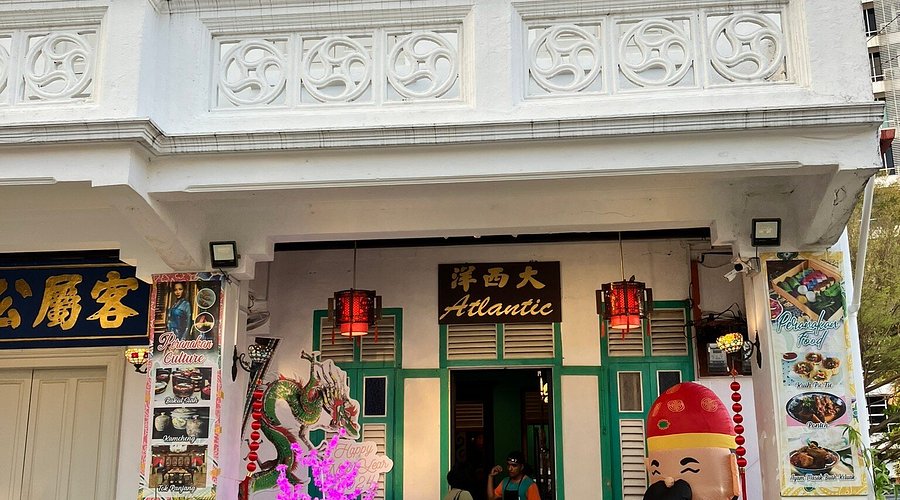
A baba nyonya restaurant offers much more than a meal. It provides a cultural experience rooted in centuries of Peranakan traditions. Created through the fusion of Chinese and Malay influences, Peranakan cuisine has become one of Southeast Asia’s most treasured food cultures.
From rich curries to aromatic herbs and carefully balanced flavours, every dish tells a story. Whether you are a first-time visitor or a long-time food enthusiast, understanding the heritage behind these restaurants can enhance your dining experience.
In this guide, you’ll discover the origins of Peranakan cuisine, popular dishes, ingredients, dining traditions, and tips for choosing the right restaurant.
What Is Peranakan Cuisine?
Peranakan cuisine originated from the descendants of early Chinese settlers who adopted local Malay customs and ingredients. The terms “Baba” and “Nyonya” traditionally refer to Peranakan men and women.
Today, many visitors seek a baba nyonya restaurant to experience this remarkable blend of cultures.
Characteristics of Peranakan Food
Peranakan dishes are known for:
- Rich spices
- Fresh herbs
- Coconut milk-based gravies
- Sweet, sour, spicy, and savoury flavour combinations
- Slow cooking techniques
Moreover, traditional recipes are often passed down through generations, preserving authenticity.
Signature Dishes Found in Baba Nyonya Cuisine
One reason people visit a baba nyonya restaurant is the incredible variety of dishes available.
Ayam Pongteh
This comforting chicken stew combines potatoes with fermented soybean paste, producing a mild yet flavourful dish.
Asam Pedas Fish
A spicy and tangy fish curry prepared with tamarind, herbs, and chillies. Many restaurants consider this a signature item.
Sambal Petai Prawns
Fresh prawns cooked with spicy sambal sauce and petai beans create a bold flavour profile.
Otak-Otak
Grilled fish paste wrapped in banana leaves offers a smoky and aromatic experience.
Nyonya Laksa
This famous noodle dish combines coconut broth with seafood, herbs, and spices.
Why People Love Authentic Peranakan Restaurants
Authenticity remains one of the biggest reasons diners choose a baba nyonya restaurant.
Traditional Recipes
Many establishments preserve family recipes that have existed for decades.
Fresh Ingredients
Authentic restaurants carefully select spices, herbs, and local produce to maintain original flavours.
Cultural Experience
Dining often includes:
- Traditional décor
- Heritage-inspired interiors
- Warm family hospitality
- Historical storytelling
Therefore, customers enjoy both food and culture in one setting.
Essential Ingredients Used in Peranakan Food
Understanding the ingredients helps visitors appreciate the complexity behind every dish.
Common Herbs and Spices
Peranakan cooking frequently uses:
- Lemongrass
- Turmeric
- Galangal
- Tamarind
- Kaffir lime leaves
- Coconut milk
- Belacan (shrimp paste)
These ingredients create the signature taste associated with a baba nyonya restaurant.
Balance of Flavours
Peranakan chefs focus on balancing:
- Sweetness
- Acidity
- Spice
- Umami
As a result, dishes feel layered and satisfying.
The Cultural Heritage Behind Baba and Nyonya Communities
Peranakan culture developed through centuries of interaction between Chinese immigrants and local Malay communities.
This heritage extends beyond food.
Traditional Elements Include
- Colourful clothing
- Handcrafted ceramics
- Family celebrations
- Distinct languages and customs
A baba nyonya restaurant often reflects these traditions through its interior design and presentation.
Furthermore, preserving these customs helps future generations understand their historical roots.
How to Choose the Best Baba Nyonya Restaurant
Not every restaurant delivers the same experience. Therefore, selecting the right place matters.
Look for Authentic Menus
Good restaurants usually serve classic dishes rather than heavily modified recipes.
Check Reviews
Customer feedback can reveal:
- Food quality
- Service standards
- Portion sizes
- Ambience
Observe Ingredient Quality
Fresh ingredients generally indicate better flavour and consistency.
Consider Heritage and Experience
Restaurants with experienced chefs often maintain stronger connections to traditional cooking methods.
Health Benefits of Peranakan Cuisine
Although many dishes are rich and flavourful, they also include nutritious ingredients.
Benefits Include
- Fresh vegetables
- Natural herbs
- Protein-rich seafood
- Antioxidant-rich spices
Turmeric and lemongrass, for example, are widely known for their wellness properties.
When enjoyed in moderation, meals from a baba nyonya restaurant can become part of a balanced lifestyle.
Dining Tips for First-Time Visitors
If you’re trying Peranakan food for the first time, start with several dishes to experience different flavours.
Recommended Combination
- Ayam Pongteh
- Asam Pedas Fish
- Otak-Otak
- Sambal Petai Prawns
- Nyonya desserts
Sharing dishes with family and friends also creates a more authentic dining experience.
In addition, don’t hesitate to ask restaurant staff for recommendations.
Why Baba Nyonya Cuisine Continues to Grow in Popularity
Modern diners increasingly appreciate authentic cultural experiences. As a result, the popularity of the baba nyonya restaurant concept continues to rise worldwide.
People value:
- Heritage preservation
- Unique flavours
- Family traditions
- Instagram-worthy presentations
- Memorable dining experiences
Moreover, food tourism has introduced Peranakan cuisine to international audiences, increasing global recognition.
Frequently Asked Questions
1. What is a Baba Nyonya restaurant?
A Baba Nyonya restaurant serves traditional Peranakan cuisine, which combines Chinese and Malay culinary influences.
2. What are the most popular dishes in a Baba Nyonya restaurant?
Popular dishes include Ayam Pongteh, Asam Pedas Fish, Otak-Otak, Sambal Petai Prawns, and Nyonya Laksa.
3. Is Peranakan food spicy?
Some dishes are spicy, while others are mild. Most restaurants provide options suitable for different preferences.
4. Why is Peranakan cuisine unique?
Peranakan food combines ingredients, techniques, and traditions from both Chinese and Malay cultures.
5. Are family recipes important in Baba Nyonya cuisine?
Yes. Many traditional recipes have been passed down for generations, helping preserve authenticity.
Conclusion
A baba nyonya restaurant represents far more than traditional dining. It showcases centuries of cultural exchange, family traditions, and culinary craftsmanship.
From aromatic spices to beloved heritage recipes, every dish reflects the richness of Peranakan history. Whether you are exploring this cuisine for the first time or revisiting familiar favourites, the experience offers something truly memorable.
As interest in heritage food continues to grow, authentic Peranakan restaurants remain an important bridge between history and modern dining.
Start exploring the world of Peranakan cuisine today and experience the flavours that have delighted generations.