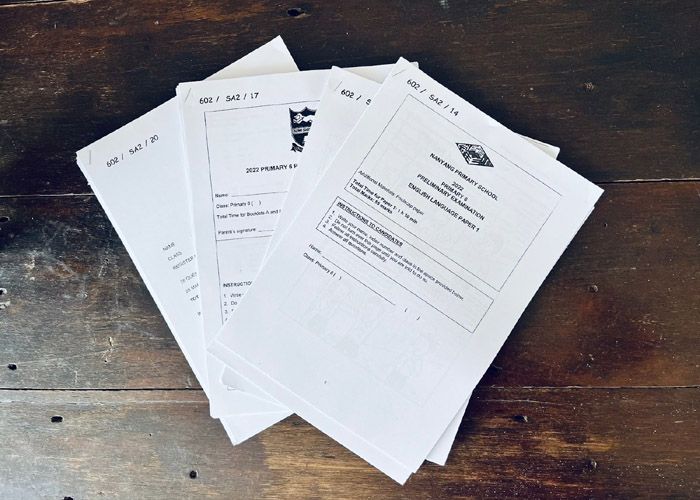
Preparing for the Primary School Leaving Examination (PSLE) can feel overwhelming for both students and parents. With multiple subjects to revise and limited time available, choosing the right study resources becomes essential. One of the most effective tools available is psle past papers.
These papers provide real exam-style questions that help students understand the exam format, improve time management, and identify weak areas. Instead of relying solely on textbooks and notes, students can use past papers to experience realistic exam conditions.
In this guide, you’ll learn why psle past papers are valuable, how to use them strategically, common mistakes to avoid, and practical tips that can help maximize your PSLE preparation.
Why PSLE Past Papers Are Essential for Exam Preparation
Many high-performing students rely on past papers as a key part of their revision strategy. They offer insights that ordinary worksheets cannot provide.
Past papers help students:
- Understand exam structure
- Recognize common question patterns
- Improve answering techniques
- Build exam confidence
- Strengthen time management skills
Research and educational experts consistently highlight that practicing authentic exam questions improves familiarity and reduces anxiety during the actual examination.
Furthermore, students gain exposure to different question styles that frequently appear across various PSLE subjects.
As a result, revision becomes more targeted and effective.
Benefits of Using Past Year Exam Papers
Familiarity With Question Formats
One major advantage of using past papers is becoming comfortable with the exam format.
Students learn:
- Question structures
- Mark allocation
- Instructions and requirements
- Typical difficulty levels
When exam day arrives, there are fewer surprises.
Better Time Management
Time management is often a challenge for students.
By completing timed papers regularly, students learn how to:
- Allocate time effectively
- Avoid spending too long on difficult questions
- Finish papers within the allowed duration
Regular timed practice improves speed and accuracy over time.
Improved Confidence
Confidence grows through familiarity.
Students who consistently practice with psle past papers often feel more prepared because they know what to expect.
This confidence can significantly reduce exam stress and improve performance.
Identification of Weak Areas
Past papers reveal knowledge gaps quickly.
Students can identify:
- Topics they struggle with
- Frequent mistakes
- Conceptual misunderstandings
This allows focused revision rather than wasting time on topics they already understand.
Best Study Strategies for PSLE Revision
Using past papers without a strategy can limit their effectiveness.
Let’s explore proven methods that work.
Start With Topic-Based Practice
Before attempting full papers, students should master individual topics.
For example:
- Fractions
- Percentage
- Geometry
- Comprehension skills
- Science concepts
This builds a strong foundation.
Progress to Full Exam Papers
Once core concepts are understood, students should begin attempting full-length papers.
Benefits include:
- Simulating real exam conditions
- Building stamina
- Improving concentration
Many education specialists recommend completing papers under actual exam timing conditions.
Create an Error Log
An error log helps students learn from mistakes.
Record:
- Incorrect answers
- Correct solutions
- Reasons for mistakes
- Topics requiring revision
This method prevents repeated errors.
Review Before Moving Forward
Many students make the mistake of immediately starting another paper.
Instead:
- Mark the paper carefully.
- Analyze mistakes.
- Revise weak topics.
- Attempt a similar paper again.
Quality revision always beats quantity.
PSLE Mathematics Practice Tips
Mathematics often requires extensive practice and problem-solving skills.
Focus on Problem Sums
Problem sums frequently challenge students.
When practicing:
- Highlight important information
- Draw models when necessary
- Break questions into smaller steps
Track Common Mistakes
Common errors include:
- Careless calculations
- Misreading questions
- Incorrect unit conversions
Reviewing mistakes helps eliminate recurring issues.
Use Timed Sessions
Timed mathematics practice improves:
- Speed
- Accuracy
- Confidence
Students who regularly complete psle past papers for mathematics often become more efficient at solving complex questions.
PSLE English Preparation Using Past Papers
English requires consistent exposure to different question types.
Improve Comprehension Skills
Past papers help students understand:
- Open-ended questions
- Inference-based questions
- Vocabulary application
Reading model answers also improves response quality.
Strengthen Grammar and Vocabulary
Students should pay attention to:
- Grammar patterns
- Common vocabulary mistakes
- Editing exercises
Repeated exposure improves language accuracy.
Develop Better Composition Writing
Past papers reveal recurring themes such as:
- Friendship
- Family
- Responsibility
- School experiences
Recognizing these themes allows students to prepare ideas and examples in advance.
PSLE Science Revision Techniques
Science requires both conceptual understanding and application skills.
Focus on Key Concepts
Students should revise:
- Energy
- Forces
- Living systems
- Matter
- Environmental science
A solid understanding makes application questions easier.
Analyze Answering Techniques
Science answers often require specific keywords.
While reviewing papers:
- Compare answers with marking schemes
- Identify missing concepts
- Learn proper scientific terminology
Practice Application Questions
Application questions test understanding rather than memorization.
Therefore, students should prioritize questions that require reasoning and explanation.
This approach improves performance in higher-order questions.
Common Mistakes Students Make With PSLE Past Papers
Many students use past papers incorrectly.
Avoid these common mistakes.
Completing Papers Without Reviewing
Finishing a paper is only half the process.
The real learning happens during review.
Doing Too Many Papers
More papers do not automatically lead to better results.
Experts suggest focusing on thorough analysis instead of rushing through numerous papers.
Ignoring Weak Areas
Some students repeatedly practice favorite topics while avoiding difficult ones.
This creates knowledge gaps.
Practicing Without Timing
Untimed practice does not accurately simulate exam conditions.
Students should regularly complete papers under realistic time constraints.
How Many Past Papers Should Students Complete?
There is no universal number.
However, many education experts recommend:
- 6–8 quality papers per subject
- Thorough review after each attempt
- Focus on recent papers aligned with the latest syllabus
Older papers may not fully reflect current examination standards.
A balanced approach works best.
Students should prioritize understanding and improvement rather than chasing large numbers.
Creating an Effective Revision Schedule
A structured study plan maximizes results.
Weekly Revision Example
Monday
- Mathematics topic practice
Tuesday
- English comprehension
Wednesday
- Science concepts review
Thursday
- Full mathematics paper
Friday
- English language paper
Saturday
- Science paper
Sunday
- Mistake analysis and revision
This approach combines content mastery with exam practice.
Maintain Consistency
Short daily study sessions are often more effective than occasional long sessions.
Consistency helps:
- Retain information
- Reduce stress
- Improve long-term performance
Students using psle past papers regularly throughout the year often perform better than those who start intensive revision at the last minute.
Where to Find Reliable PSLE Past Papers
Students can obtain papers from several sources:
- Schools
- Educational bookstores
- Online learning platforms
- Official examination resources
When choosing papers, ensure they align with the latest syllabus and exam format.
Using updated materials ensures that revision remains relevant and effective.
Frequently Asked Questions
1. Why are psle past papers important?
They help students understand exam formats, improve time management, identify weak areas, and build confidence through realistic practice.
2. When should students start using psle past papers?
Most students benefit from topic-based practice first and then transition to full papers several months before the examination.
3. How many psle past papers should a student complete?
Generally, 6–8 quality papers per subject with detailed review provide better results than rushing through a large number of papers.
4. Can past papers predict actual PSLE questions?
No. However, they help students recognize common question styles, recurring concepts, and exam expectations.
5. Are recent past papers better than older papers?
Yes. Recent papers usually reflect the latest syllabus, assessment standards, and question formats more accurately.
Conclusion
Success in the PSLE requires more than hard work—it requires smart preparation. One of the most powerful resources available to students is psle past papers. They provide realistic exam exposure, improve confidence, strengthen time management, and reveal areas that need improvement.
However, simply completing papers is not enough. Students should review mistakes carefully, maintain an error log, and focus on understanding concepts rather than memorizing answers. A structured revision plan combined with consistent practice can make a significant difference in performance.
By using psle past papers strategically, students can approach their examinations with greater confidence and readiness. Start implementing these study techniques today and take a meaningful step toward achieving your PSLE goals.