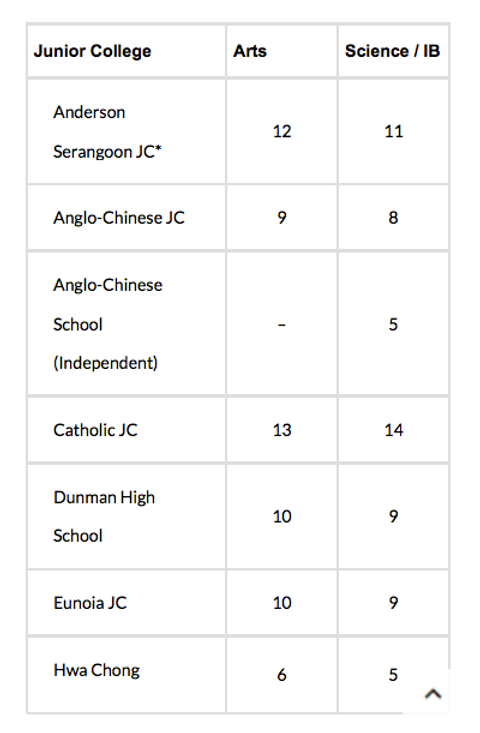
Understanding junior college cut off points 2019 is essential for students who want to analyse past admission trends and prepare better for future academic opportunities. These cut-off marks represent the minimum scores required for admission into different junior colleges based on merit, competition, and available seats.
In this guide, you will learn how cut-off points were determined in 2019, what factors influenced them, and how students can use this information for better academic planning. Moreover, we will break down admission trends, subject-wise variations, and practical strategies to interpret cut-off data effectively.
By the end of this article, you will have a clear understanding of how junior college cut off points 2019 shaped admissions and what lessons can be applied today.
Factors Influencing Junior College Cut Off Points 2019
Several key factors shaped junior college cut off points 2019, and understanding them helps explain why certain colleges had extremely high or low thresholds.
1. Number of Applicants
A major factor was the total number of students applying for admission. When applications increased, competition intensified, directly pushing cut-off points higher.
2. Seat Availability
Colleges with limited seats naturally had higher cut-offs. Prestigious institutions often maintained strict merit criteria, increasing demand pressure.
3. Academic Performance Trends
In 2019, overall student performance improved in many regions, which also raised average admission requirements. As a result, junior college cut off points 2019 saw an upward shift in several streams.
4. Stream Popularity
Science and commerce streams remained the most competitive. Arts streams, although stable, generally had lower cut-offs compared to science groups.
5. Location of College
Urban colleges showed significantly higher cut-offs than rural institutions due to demand concentration in cities.
These factors combined to create a dynamic and highly competitive admission environment in 2019.
Stream-Wise Breakdown of Cut Off Trends
The junior college cut off points 2019 varied significantly depending on academic streams. Each stream followed its own demand and performance pattern.
Science Stream Trends
Science remained the most competitive stream. Many reputed colleges recorded very high cut-offs due to demand for engineering and medical career paths.
Students needed strong marks in mathematics and science subjects to secure admission. In some institutions, cut-offs exceeded expectations due to limited seats and high applicant volume.
Commerce Stream Trends
Commerce also showed strong competition, especially in business-focused colleges. Accounting, economics, and business studies influenced admission thresholds.
Compared to science, cut-offs were slightly lower but still competitive in urban areas.
Arts Stream Trends
Arts stream maintained relatively flexible cut-offs. However, popular colleges still experienced moderate competition.
Students choosing humanities subjects often had more options, making admission slightly easier compared to other streams.
Overall, junior college cut off points 2019 clearly reflected stream-based academic demand patterns.
Regional Variation in Junior College Cut Off Points 2019
Another important aspect of junior college cut off points 2019 was regional disparity.
Urban Colleges
Urban institutions showed the highest cut-offs due to:
- Better infrastructure
- Strong academic reputation
- Higher student preference
Semi-Urban Colleges
Semi-urban colleges maintained balanced cut-offs, offering moderate competition levels.
Rural Colleges
Rural colleges generally had lower cut-offs due to fewer applicants and wider seat availability.
This variation highlights how location plays a crucial role in shaping admission trends and student preferences.
In addition, transportation access and academic reputation further influenced student choices, indirectly affecting cut-off scores.
How Students Can Use 2019 Cut Off Data for Planning
Studying junior college cut off points 2019 is not just about numbers; it is about strategic academic planning.
Understand Admission Benchmarks
Students can compare their own academic performance with past cut-offs to estimate chances of admission.
Set Realistic Goals
Past data helps in setting achievable score targets based on desired colleges and streams.
Identify Backup Options
By analysing multiple colleges, students can create a balanced admission list.
Track Competition Trends
Understanding whether cut-offs are rising or falling helps in long-term planning.
Additionally, students should not rely solely on past data but use it as a reference point for better decision-making.
Common Mistakes Students Make When Interpreting Cut Offs
Many students misunderstand junior college cut off points 2019, leading to poor admission decisions.
Ignoring Year-to-Year Variation
Cut-offs change every year based on multiple factors, so relying on a single year can be misleading.
Focusing Only on Top Colleges
Students often ignore mid-range colleges, which may offer better chances and learning environments.
Misjudging Stream Difficulty
Assuming all streams have equal cut-offs leads to unrealistic expectations.
Not Considering Location Impact
Failing to account for urban-rural differences can distort admission planning.
Avoiding these mistakes ensures better use of cut-off data in real admission scenarios.
Expert Tips to Understand Cut Off Trends Better
To make the most of junior college cut off points 2019, students should follow expert strategies:
- Compare multiple years instead of a single year
- Focus on percentile trends, not just raw marks
- Analyse subject-wise performance requirements
- Consider both government and private colleges
FAQs on Junior College Cut Off Points 2019
1. What are junior college cut off points 2019?
They are the minimum required marks for admission into junior colleges during the 2019 admission cycle.
2. Why did cut-off points vary in 2019?
They varied due to competition levels, seat availability, and student performance trends.
3. Which stream had the highest cut-offs?
Science stream generally had the highest junior college cut off points 2019 due to high demand.
4. Can I use 2019 cut-off data for current admissions?
Yes, but only as a reference point. Current cut-offs may differ significantly.
5. Do urban colleges always have higher cut-offs?
Yes, in most cases urban colleges show higher cut-offs due to demand and reputation.
Conclusion
Understanding junior college cut off points 2019 provides valuable insight into academic competition, admission trends, and student preferences during that year. These cut-off marks were influenced by several factors including applicant volume, stream popularity, and institutional reputation.
By analysing these patterns, students can make smarter decisions when selecting colleges and planning their academic journey. However, it is important to remember that cut-off trends change every year, so they should be used as a guiding reference rather than a fixed rule.
In conclusion, junior college cut off points 2019 remain a useful benchmark for understanding admission dynamics and preparing strategically for future opportunities. Start applying these insights to improve your academic planning and make more informed choices moving forward.