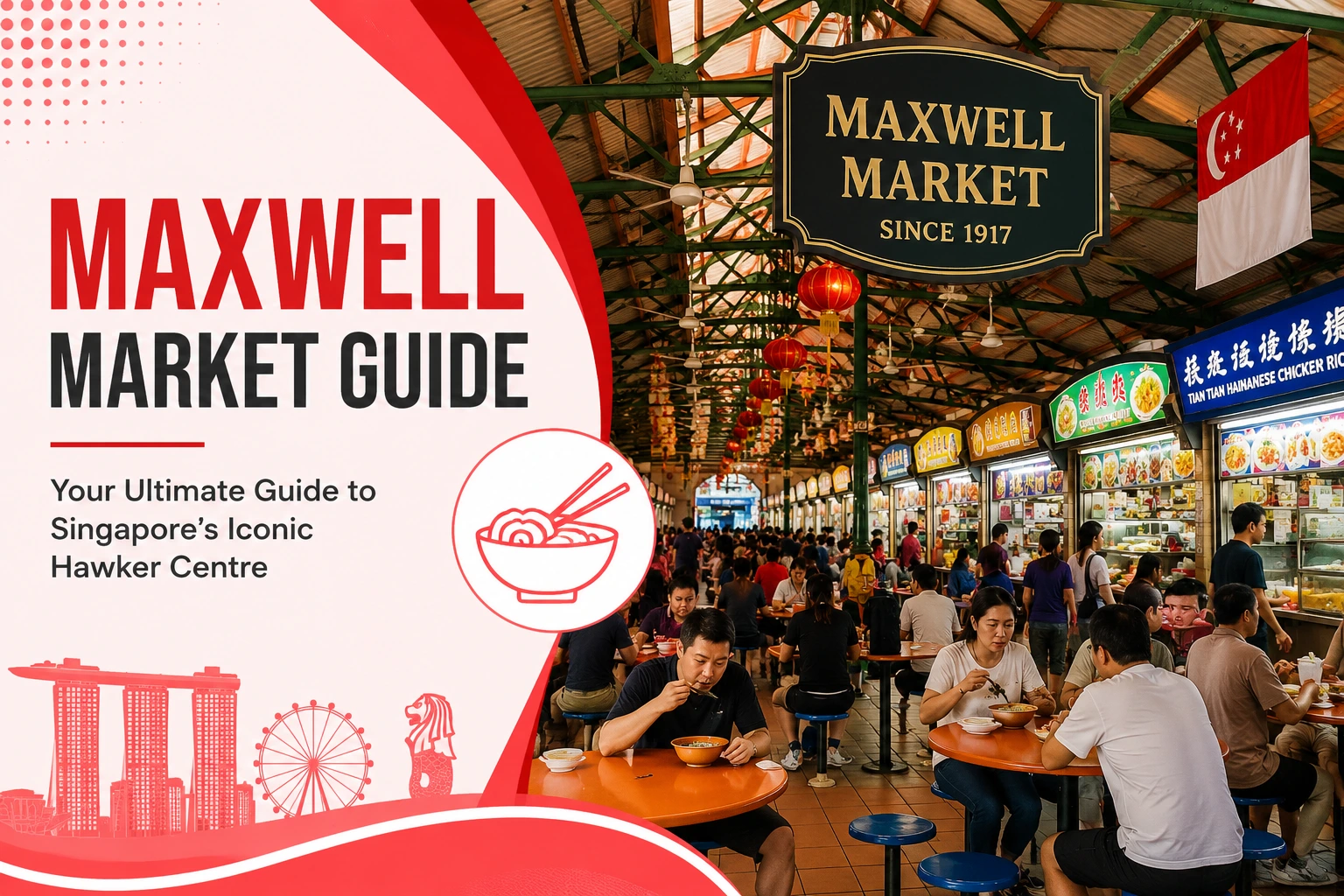
If you’re planning a food adventure in Singapore, this Maxwell Market Guide is the perfect place to start. Hidden in the heart of Chinatown, Maxwell Food Centre has earned a reputation as one of the city’s best hawker destinations. Locals stop by for breakfast, office workers gather for lunch, and tourists… well, they often leave wishing they had arrived with a bigger appetite.
Unlike modern shopping malls with polished food courts, Maxwell has something different. It feels authentic. The aroma of grilled meats, simmering broths, fresh seafood, and fragrant rice fills the air from every direction. Every stall tells its own story, many of them passed down through generations.
This Maxwell Market Guide will help you discover what makes this iconic food centre special, what to eat, when to visit, and how to enjoy the experience like a local instead of just another visitor.
Why Maxwell Food Centre Is So Popular
One reason Maxwell Food Centre remains so popular is its incredible variety. Instead of focusing on one type of cuisine, you’ll find Chinese, Malay, Indian, Peranakan, Thai, and several fusion dishes all under one roof.
The atmosphere also plays a huge role. Plastic tables, simple seating, busy queues, and the constant chatter create an experience that’s impossible to recreate inside luxury restaurants.
This Maxwell Market Guide wouldn’t be complete without mentioning that many stalls have been serving loyal customers for decades. Some have even received international recognition, making Maxwell one of Singapore’s most respected hawker centres.
A Brief History of Maxwell Food Centre
Long before becoming a famous tourist attraction, Maxwell was simply a neighborhood market where residents bought fresh produce and enjoyed affordable meals. Over the years, the wet market gradually transformed into the bustling hawker centre visitors know today.
Government improvements helped organize the food stalls while preserving their traditional charm. Today, Maxwell continues to celebrate Singapore’s multicultural food heritage, offering recipes that have survived generations.
This rich history is one reason every Maxwell Market Guide highlights the market as more than just a place to eat. It’s a cultural landmark.
Best Time to Visit Maxwell Food Centre
Timing can make a huge difference.
Early mornings are peaceful, making breakfast enjoyable without long waits. Around lunchtime, however, the market becomes incredibly busy. Office workers, tourists, and locals all arrive together, creating long queues at the most famous stalls.
Late afternoons usually offer a calmer experience, though some vendors may already be sold out by then.
Our Maxwell Market Guide recommends arriving before 11:00 AM if you want shorter queues while still enjoying the full selection of food.
Must-Try Dishes at Maxwell Food Centre
Food is obviously the main attraction here. And honestly… choosing what to eat might become your biggest challenge.
1. Hainanese Chicken Rice
Perhaps the market’s most famous dish.
Tender poached chicken served with fragrant rice, chili sauce, garlic paste, and light soy sauce creates a surprisingly simple meal that delivers incredible flavor.
Many visitors come to Maxwell specifically for this dish alone.
This famous specialty appears in almost every Maxwell Market Guide, and for good reason.
2. Char Kway Teow
Flat rice noodles stir-fried with prawns, Chinese sausage, eggs, bean sprouts, and dark soy sauce create an unforgettable smoky flavor known locally as “wok hei.”
Each stall prepares it slightly differently, making every plate unique.
3. Fish Soup
If you’re looking for something lighter, fish soup offers a refreshing alternative.
Fresh fish slices, vegetables, tofu, and clear broth create a comforting meal that’s surprisingly filling without being heavy.
Hidden Food Gems Worth Trying
While famous stalls attract long queues, smaller vendors often serve equally impressive meals.
This Maxwell Market Guide encourages visitors to explore beyond social media recommendations. Sometimes the shortest queue hides the biggest surprise.
Keep an eye out for handmade dumplings, freshly prepared spring rolls, curry noodles, herbal soups, and roasted meats. Many family-owned stalls rely on loyal local customers instead of online popularity.
That’s often a very good sign.
Local Drinks You Shouldn’t Miss
Good food deserves great drinks.
Fresh sugarcane juice is especially refreshing on Singapore’s warm afternoons. Lime juice, barley drinks, iced lemon tea, kopi (local coffee), and traditional milk tea are also popular choices.
Many visitors overlook the beverage stalls, but they deserve attention too.
Every complete Maxwell Market Guide should remind travelers that local drinks are part of the overall hawker experience.
Tips for First-Time Visitors
Visiting a busy hawker centre can feel slightly overwhelming at first.
Fortunately, it’s quite simple once you understand how things work.
First, look around before choosing your meal. Walking one full lap helps you compare prices, portion sizes, and queue lengths.
Second, carry cash. Although many stalls now accept digital payments, some smaller vendors still prefer cash transactions.
Third, don’t rush.
Part of the charm comes from sitting down, watching people, and enjoying the lively atmosphere around you.
This Maxwell Market Guide also recommends sharing dishes with friends or family. Instead of eating one large meal, everyone can order something different and sample multiple specialties together.
Budget-Friendly Dining
One of Maxwell’s biggest strengths is affordability.
Even with Singapore’s modern lifestyle, Maxwell continues offering excellent meals at prices that suit students, office workers, families, and travelers alike.
You don’t need an expensive restaurant reservation to enjoy authentic local flavors.
That balance between quality and value is exactly why this Maxwell Market Guide recommends Maxwell Food Centre for visitors on every budget.
Cleanliness and Comfort
Some travelers imagine traditional hawker centres to be messy.
Thankfully, Maxwell maintains high hygiene standards. Tables are cleaned regularly, trays are collected efficiently, and food safety regulations remain strict across all licensed stalls.
You’ll notice staff working throughout the day to keep seating areas comfortable despite the constant crowds.
This attention to cleanliness helps explain why Maxwell continues attracting thousands of visitors every week.
Our Maxwell Market Guide suggests bringing tissues, arriving slightly before lunch, and choosing shaded seating whenever possible for the most comfortable dining experience.
Nearby Attractions to Explore After Your Meal
One of the best things about visiting Maxwell Food Centre is its location. After enjoying a satisfying meal, there’s plenty more to discover within walking distance. This Maxwell Market Guide recommends setting aside at least half a day so you can explore the surrounding neighborhood instead of rushing away after lunch.
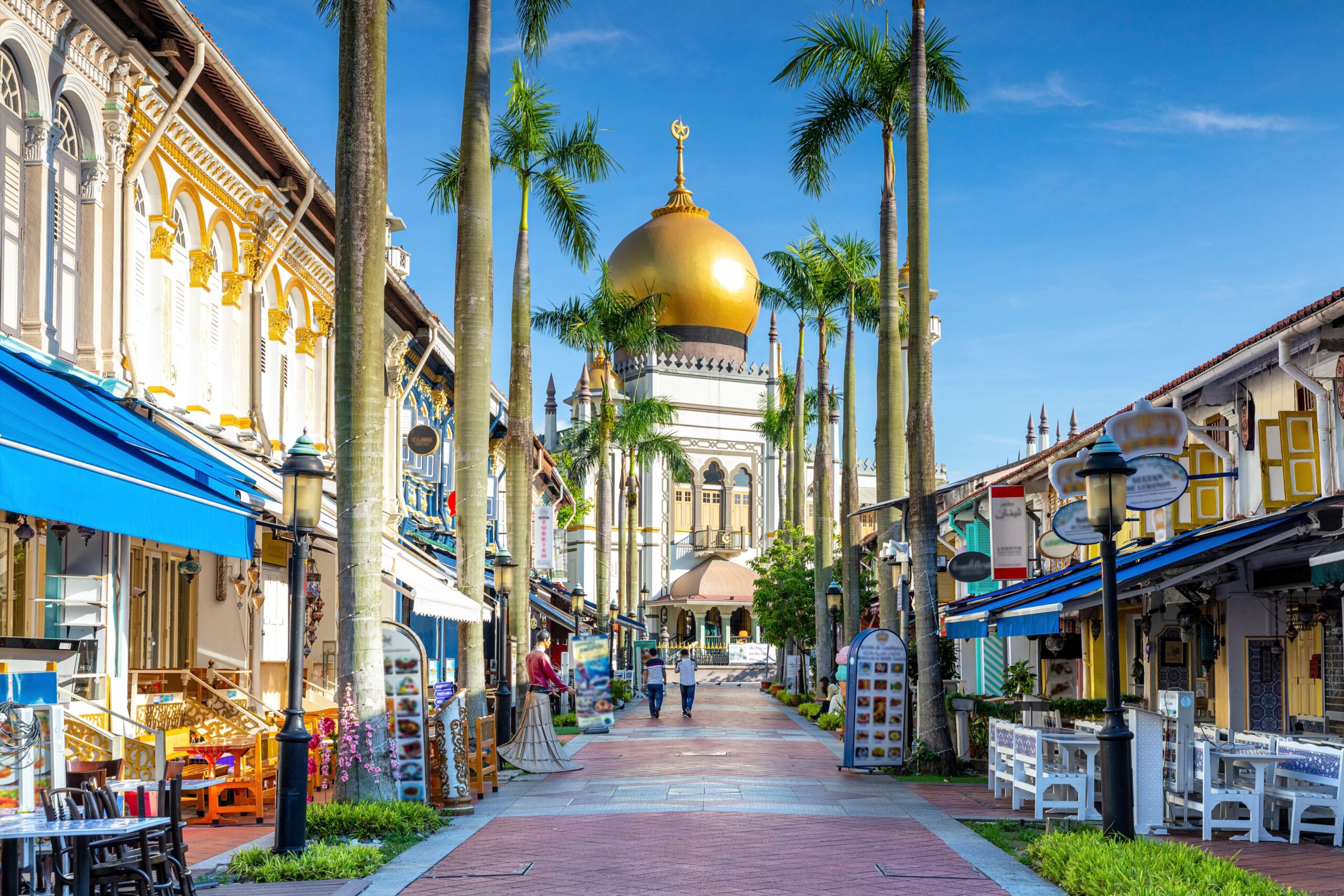
Chinatown is just a few steps from the market and offers a fascinating mix of history, culture, and shopping. Wander through colorful streets lined with traditional shophouses, browse souvenir stores, or stop by one of the heritage museums to learn more about Singapore’s multicultural roots.
Not far from the market, you’ll also find beautiful temples that showcase the city’s religious diversity. Their detailed architecture and peaceful surroundings provide a nice contrast to the lively atmosphere inside the hawker centre.
If shopping is on your list, several boutique stores and local markets are nearby, selling everything from handmade crafts and clothing to snacks and gifts. It’s easy to spend a few hours simply exploring the area at your own pace.
This Maxwell Market Guide encourages visitors to combine great food with sightseeing for a more memorable Singapore experience.
How to Get to Maxwell Food Centre
Getting to Maxwell Food Centre is surprisingly easy, whether you’re staying in the city center or arriving from another part of Singapore.
The MRT is the most convenient option. Several nearby stations make walking to the market simple, and clear signboards help visitors find their way without much effort.
Public buses also stop close to the food centre, offering another affordable transportation choice. If you’re using a taxi or ride-hailing service, simply enter Maxwell Food Centre as your destination, and you’ll be dropped off within a short walking distance.
One useful tip from this Maxwell Market Guide is to avoid driving if possible. Parking spaces nearby can fill up quickly, especially during lunch hours and weekends.
Helpful Etiquette Every Visitor Should Know
Eating at a hawker centre comes with a few unwritten rules.
First, be patient while waiting in line. Some stalls attract long queues, but locals understand that good food takes time.
Second, return your trays after finishing your meal if tray return stations are available. It helps keep the dining area clean and makes things easier for everyone.
Third, avoid reserving large numbers of seats during busy periods unless your entire group has already arrived.
Simple gestures like these make your visit smoother and show respect for local dining customs.
Following these tips will make your experience even better, and every Maxwell Market Guide should include them because they’re part of enjoying Singapore like a local.
Why Locals Keep Coming Back
Tourists may visit Maxwell once during their holiday, but locals return again and again.
Why?
Consistency.
Many stalls have spent decades perfecting a single recipe rather than constantly changing their menus. Customers know exactly what they’ll get every visit, and that reliability builds loyalty over time.
Friendly stall owners also add to the experience. Some recognize regular customers, remember favorite orders, and happily recommend new dishes to curious visitors.
This welcoming atmosphere gives Maxwell a community feel that many modern dining spaces simply can’t match.
That’s another reason this Maxwell Market Guide recommends visiting with an open mind. Try something unfamiliar—you might discover your new favorite meal.
Practical Tips for the Best Experience
A little planning goes a long way.
Visit on weekdays if your schedule allows, as weekends are generally busier. Wear comfortable clothing because Singapore’s weather is warm throughout the year, and you may spend time walking around Chinatown afterward.
Carry a reusable water bottle if you’re exploring nearby attractions, and don’t hesitate to share dishes with friends. Sampling several smaller meals is one of the best ways to experience the variety Maxwell has to offer.
This Maxwell Market Guide also suggests checking opening hours before your visit, as some popular stalls close once they sell out for the day.
Why Maxwell Food Centre Belongs on Every Singapore Itinerary
Singapore has countless dining options, from luxury restaurants to stylish cafés. Yet Maxwell Food Centre continues to stand out because it offers something authentic.
The food is affordable, the recipes are deeply rooted in local traditions, and the atmosphere reflects everyday life in Singapore. Visitors don’t just enjoy a meal—they become part of a living food culture that has been cherished for generations.
Whether you’re a first-time traveler or returning to Singapore once again, this Maxwell Market Guide proves that Maxwell Food Centre deserves a place on your itinerary.
Conclusion
This Maxwell Market Guide shows that Maxwell Food Centre is much more than a famous place to eat. It’s where history, culture, and incredible flavors come together under one roof. From iconic chicken rice and freshly prepared noodles to refreshing local drinks and hidden food gems, every visit offers something worth remembering.
Take your time, explore the different stalls, chat with friendly vendors, and enjoy the lively atmosphere that makes this hawker centre so special. Whether you’re traveling on a budget or simply looking for authentic Singaporean cuisine, Maxwell Food Centre delivers an experience that’s difficult to forget.
If you’re planning your next Singapore adventure, let this Maxwell Market Guide be your starting point—and arrive hungry.
Frequently Asked Questions
1. What is Maxwell Food Centre famous for?
According to this Maxwell Market Guide, Maxwell Food Centre is best known for its Hainanese chicken rice, diverse hawker stalls, affordable meals, and authentic local dining experience.
2. What time should I visit Maxwell Food Centre?
The best time is before 11:00 AM to avoid the busiest lunch crowds and enjoy the widest selection of freshly prepared dishes.
3. Is Maxwell Food Centre suitable for tourists?
Absolutely. This Maxwell Market Guide recommends it for first-time visitors because it’s easy to access, budget-friendly, and offers a wide variety of authentic Singaporean food.
4. Can I pay with a credit card?
Some stalls accept cards or digital payments, but many still prefer cash. Carrying a small amount of cash is always a good idea.
5. How much should I budget for a meal?
Most meals are reasonably priced, making Maxwell Food Centre an excellent option for travelers looking for delicious food without spending a lot.
6. Is Maxwell Food Centre family-friendly?
Yes. Families, solo travelers, couples, and groups all enjoy dining here. The casual atmosphere and variety of food mean there’s usually something for everyone.