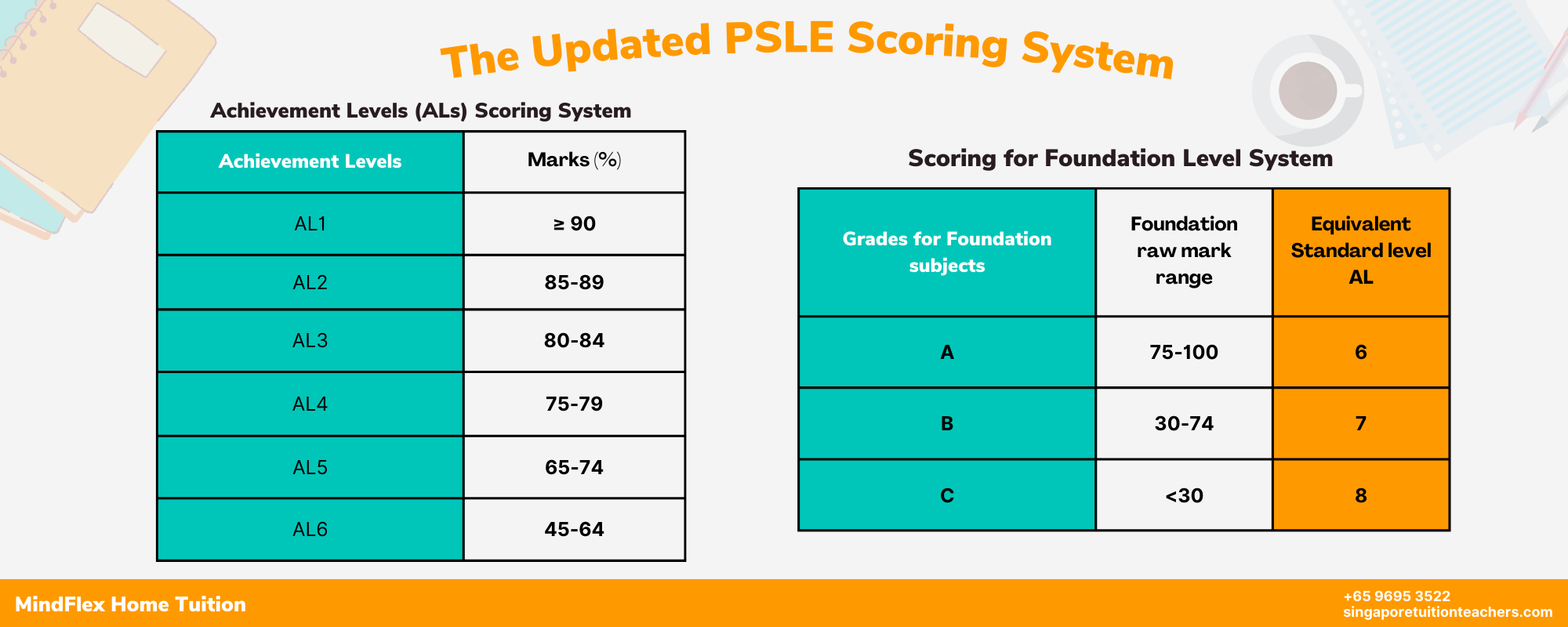

The secondary school cut off point 2020 became a major concern for students and parents during admission cycles, as it directly determined entry into desired schools. Understanding how this system works helps learners prepare better for future academic competition.
In this guide, you will learn what the secondary school cut off point 2020 means, how it was calculated, and the key factors that influenced it. We will also explore regional differences, admission strategies, and practical tips to improve chances of selection.
By the end of this article, you will have a clear understanding of how cut off points shape school admissions and what students can do to improve their academic positioning in competitive environments.
Understanding Secondary School Cut Off Point 2020 Trends
The secondary school cut off point 2020 reflected the minimum academic score required for students to gain admission into secondary schools. This system helped schools manage large numbers of applicants fairly and transparently.
In 2020, many regions experienced fluctuations in cut off points due to changes in exam difficulty, student performance, and admission quotas. As a result, competition became more intense in high-performing schools.
Moreover, the secondary school cut off point 2020 varied widely between urban and rural institutions. Urban schools often had higher cut off points due to increased demand, while rural schools generally had lower thresholds.
Key observations from 2020 trends:
- Top-performing schools had higher admission requirements
- Mid-level schools maintained moderate cut off stability
- Rural schools showed flexible admission margins
- Competition increased in popular academic districts
Additionally, policy adjustments in some education boards also impacted how cut off points were set. This made it important for students to stay updated with official announcements and school guidelines.
Factors Influencing Secondary School Cut Off Point 2020
Several key factors influenced the secondary school cut off point 2020, making it different from previous years.
One of the main factors was overall student performance. When exam scores were higher on average, schools raised their cut off points to filter applicants more strictly.
Another important factor was school capacity. Institutions with limited seats had to set higher cut off marks to manage admissions effectively. On the other hand, schools with more available seats offered slightly lower thresholds.
Other influencing elements included:
- Exam difficulty level
- Number of applicants per school
- Government education policies
- Regional academic competition
- School reputation and ranking
Furthermore, unexpected disruptions in academic calendars also played a role in shaping the secondary school cut off point 2020. These disruptions affected preparation time for students, indirectly influencing performance outcomes.
Therefore, understanding these factors helps students and parents better interpret admission results and prepare for future academic cycles.
How Secondary School Cut Off Point 2020 Was Calculated
The calculation of the secondary school cut off point 2020 followed a structured evaluation process based on merit and available resources.
Most education boards used a merit-based system where students were ranked according to their exam scores. Schools then selected students starting from the highest scorers until all seats were filled.
In many cases, the cut off point represented the score of the last admitted student. This means if a school had 200 seats, the score of the 200th student became the official cut off.
Important calculation components included:
- Total marks obtained in final exams
- Subject-wise performance weightage
- Bonus points (if applicable in some regions)
- Admission quotas and reserved seats
In addition, the secondary school cut off point 2020 was influenced by tie-breaker rules, where age or subject performance was used when students had equal scores.
This system ensured fairness but also created strong competition among students aiming for top institutions.
Regional Comparison of Secondary School Cut Off Point 2020
The secondary school cut off point 2020 differed significantly across various regions due to educational standards and resource distribution.
Urban areas generally recorded higher cut off points because of better academic facilities and higher student competition. Schools in major cities attracted more applicants, increasing the selection threshold.
In contrast, rural regions often had lower cut off points due to fewer applicants and limited access to high-performing academic environments.
Key regional differences included:
- Urban schools: High competition and higher cut off marks
- Semi-urban schools: Moderate and balanced cut off ranges
- Rural schools: Lower and more flexible admission scores
Additionally, some regions implemented special admission policies to support underprivileged students. These policies slightly adjusted the secondary school cut off point 2020 to promote educational equality.
Understanding these regional variations helps students set realistic expectations based on their location and school preferences.
Strategies to Improve Admission Chances Beyond Secondary School Cut Off Point 2020
While the secondary school cut off point 2020 determined eligibility, students could still take steps to improve their chances of admission.
One effective strategy is academic consistency. Students who maintain strong performance throughout the year tend to achieve higher exam scores, increasing their chances of meeting cut off requirements.
Another important approach is subject focus. Strengthening core subjects like mathematics, science, and language can significantly improve overall results.
Practical strategies include:
- Regular revision and practice tests
- Time management during exams
- Seeking extra help from teachers
- Using past papers for preparation
- Staying updated with exam formats
Moreover, selecting schools strategically based on past cut off trends can also improve admission success rates. Students should apply to a mix of high, medium, and lower cut off institutions to maximize options.
Ultimately, preparation and awareness are key to overcoming challenges related to the secondary school cut off point 2020.
Conclusion
The secondary school cut off point 2020 played a crucial role in shaping student admissions and educational opportunities. It served as a benchmark for academic performance while ensuring fair selection across schools.
Throughout this guide, we explored how cut off points were determined, the factors influencing them, and the differences observed across regions. We also looked at practical strategies students can use to improve their chances of admission in competitive academic environments.
Understanding the secondary school cut off point 2020 is important not only for historical reference but also for preparing for future academic cycles. By analysing past trends, students and parents can make more informed decisions regarding school selection and exam preparation.
Although cut off points may seem challenging, they ultimately encourage students to perform better and maintain academic discipline. With proper planning, consistent effort, and awareness of admission criteria, students can significantly improve their chances of success.
Start applying these insights today to better prepare for academic admissions and achieve your educational goals with confidence.
FAQs
1. What is a secondary school cut off point?
It is the minimum score required for admission into a secondary school based on merit ranking.
2. Why did cut off points vary in 2020?
They varied due to differences in student performance, school capacity, and regional competition levels.
3. How can students improve their admission chances?
By improving academic performance, practicing past papers, and applying to multiple schools strategically.
4. Do all schools use the same cut off system?
No, different schools and regions may apply slightly different admission and ranking criteria.
5. Is the cut off point fixed every year?
No, it changes annually based on exam difficulty, competition, and available seats.