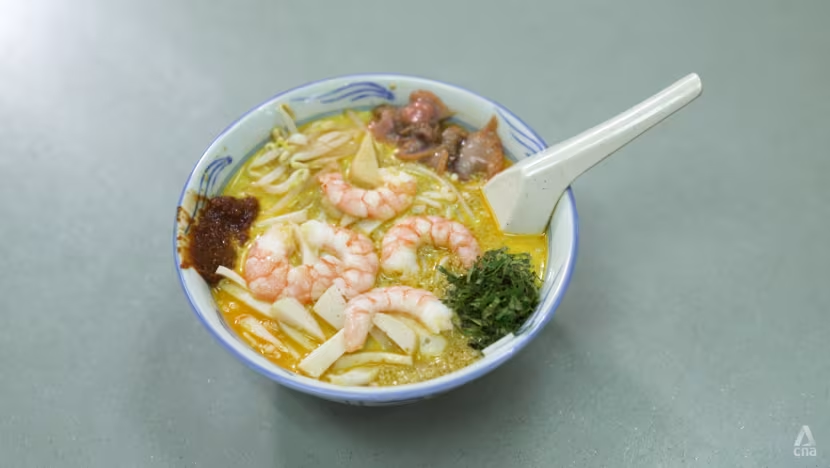
Janggut laksa is a flavorful noodle dish that has captured the hearts of food lovers across Southeast Asia. Known for its rich broth, aromatic spices, and creamy texture, this dish represents a perfect blend of tradition and taste. In many regions, it is considered more than just food—it is a cultural experience.
In this guide, you will learn everything about janggut laksa, including its origins, ingredients, cooking process, and variations. Moreover, we will explore why it remains a beloved comfort food and how you can enjoy it at its best. Whether you are a food enthusiast or a curious reader, this article will give you a complete understanding of this iconic dish.
What Makes Janggut Laksa So Unique?
The popularity of janggut laksa comes from its deep, layered flavors. Unlike ordinary noodle soups, it combines creamy coconut milk with spicy broth, creating a perfect balance of heat and richness.
Key Characteristics:
- Rich coconut-based soup
- Spicy yet creamy flavor profile
- Fresh herbs and toppings
- Soft rice noodles or vermicelli
Moreover, the dish often varies by region, which adds to its uniqueness. Some versions are spicier, while others focus more on creamy texture. Therefore, every bowl offers a slightly different experience.
The term janggut laksa is also associated with traditional preparation methods that enhance authenticity. These methods are often passed down through generations, preserving its cultural importance.
In addition, this dish is commonly enjoyed during family gatherings and street food outings, making it a social food experience rather than just a meal.
Origins and Cultural Importance of Janggut Laksa
The history of janggut laksa is deeply connected to Southeast Asian culinary traditions. Laksa itself is believed to have originated from Peranakan culture, which blends Chinese and Malay influences.
Cultural Highlights:
- Represents fusion of cultures
- Common in Malaysia and surrounding regions
- Often served during special occasions
Historically, janggut laksa was prepared using locally available ingredients such as coconut milk, dried spices, and fresh seafood. Over time, it evolved into a popular street food dish.
Moreover, the dish symbolizes hospitality and warmth. In many households, serving laksa to guests reflects generosity and care. Therefore, it holds emotional value beyond its taste.
Additionally, modern variations have emerged, but traditional recipes remain highly respected. This balance between old and new keeps the dish relevant even today.
Ingredients Used in Authentic Janggut Laksa
To truly understand janggut laksa, it is important to explore its ingredients. Each component plays a vital role in building its signature flavor.
Common Ingredients:
- Rice noodles or vermicelli
- Coconut milk
- Laksa paste (spices blend)
- Shrimp or chicken
- Bean sprouts
- Boiled eggs
- Fresh herbs (mint, coriander)
Furthermore, the broth is the heart of the dish. It is prepared by simmering spices such as chili, garlic, lemongrass, and turmeric. This creates a fragrant and creamy base.
In addition, toppings vary depending on preference. Some versions include tofu puffs or fish cakes, which enhance texture.
Therefore, every ingredient contributes to the rich identity of janggut laksa, making it both nutritious and flavorful.
How to Prepare Janggut Laksa at Home
Cooking janggut laksa at home may seem complex, but it becomes simple when broken into steps.
Step-by-Step Process:
Step 1 – Prepare the Broth
Start by sautéing laksa paste in oil until fragrant. Then add coconut milk and water. Stir continuously to avoid separation.
Step 2 – Add Protein
Next, add shrimp, chicken, or tofu. Let it simmer until fully cooked. This enhances the depth of flavor in janggut laksa.
Step 3 – Cook the Noodles
Boil rice noodles separately. Drain and set aside.
Step 4 – Assemble the Bowl
Place noodles in a bowl, pour hot broth over them, and add toppings such as eggs and bean sprouts.
Step 5 – Garnish and Serve
Finally, garnish with herbs and serve hot.
Moreover, adjusting spice levels allows customization based on personal preference.
Popular Variations of Janggut Laksa
There are several variations of janggut laksa, depending on region and taste preference.
Popular Types:
- Curry Laksa: Creamy and spicy coconut-based version
- Assam Laksa: Sour and tangy fish-based version
- Seafood Laksa: Loaded with prawns and fish
- Vegetarian Laksa: Made with tofu and vegetables
In addition, some modern restaurants experiment with fusion styles, adding cheese or different noodle types.
Therefore, janggut laksa continues to evolve while maintaining its traditional roots.
Health Benefits and Nutritional Value
Although janggut laksa is rich and indulgent, it also offers nutritional benefits when consumed in moderation.
Benefits:
- High protein from seafood or chicken
- Contains healthy fats from coconut milk
- Rich in herbs and antioxidants
- Provides energy from carbohydrates
Moreover, spices like turmeric and chili may support metabolism and digestion.
However, due to its richness, portion control is recommended for a balanced diet. Therefore, enjoying janggut laksa occasionally is the best approach.
Tips to Enhance the Flavor of Janggut
To improve your janggut laksa experience, consider these expert tips:
- Use fresh coconut milk for richer taste
- Toast spices before cooking
- Add lime for extra freshness
- Balance spice and sweetness carefully
In addition, allowing the broth to simmer longer improves depth of flavor. Therefore, patience plays a key role in cooking.
Why Janggut Laksa Remains Popular Today
The lasting popularity of janggut comes from its emotional and cultural connection. It is not just food—it is nostalgia in a bowl.
Moreover, social media has played a major role in increasing its global recognition. Food bloggers and chefs frequently showcase it due to its visual appeal and rich texture.
Additionally, its adaptability ensures it fits modern dietary preferences while maintaining traditional roots.
Therefore, janggut laksa continues to thrive across generations.
FAQs About Janggut Laksa
1. What is janggut laksa?
It is a traditional noodle dish with spicy coconut-based broth and rich toppings.
2. Is janggut very spicy?
It can be spicy, but heat levels can be adjusted based on preference.
3. What makes janggut laksa different from other laksa types?
Its unique balance of creamy broth and aromatic spices sets it apart.
4. Can I make janggut vegetarian?
Yes, tofu and vegetables can replace meat or seafood.
5. Is janggut laksa healthy?
It is nutritious when eaten in moderation due to protein and spices.
Conclusion
Janggut laksa is more than just a flavorful noodle dish—it is a cultural symbol, a comfort food, and a culinary tradition passed through generations. Its rich broth, aromatic spices, and diverse variations make it a standout dish in Southeast Asian cuisine.
Throughout this guide, we explored its origins, ingredients, preparation methods, and nutritional value. We also examined why janggut laksa continues to remain popular in modern food culture.
Whether you are trying it for the first time or refining your cooking skills, understanding its depth enhances appreciation. Moreover, experimenting with ingredients allows you to personalize the dish while keeping its essence intact.
Start experimenting with your own version of janggut today and enjoy the perfect balance of spice, creaminess, and tradition.