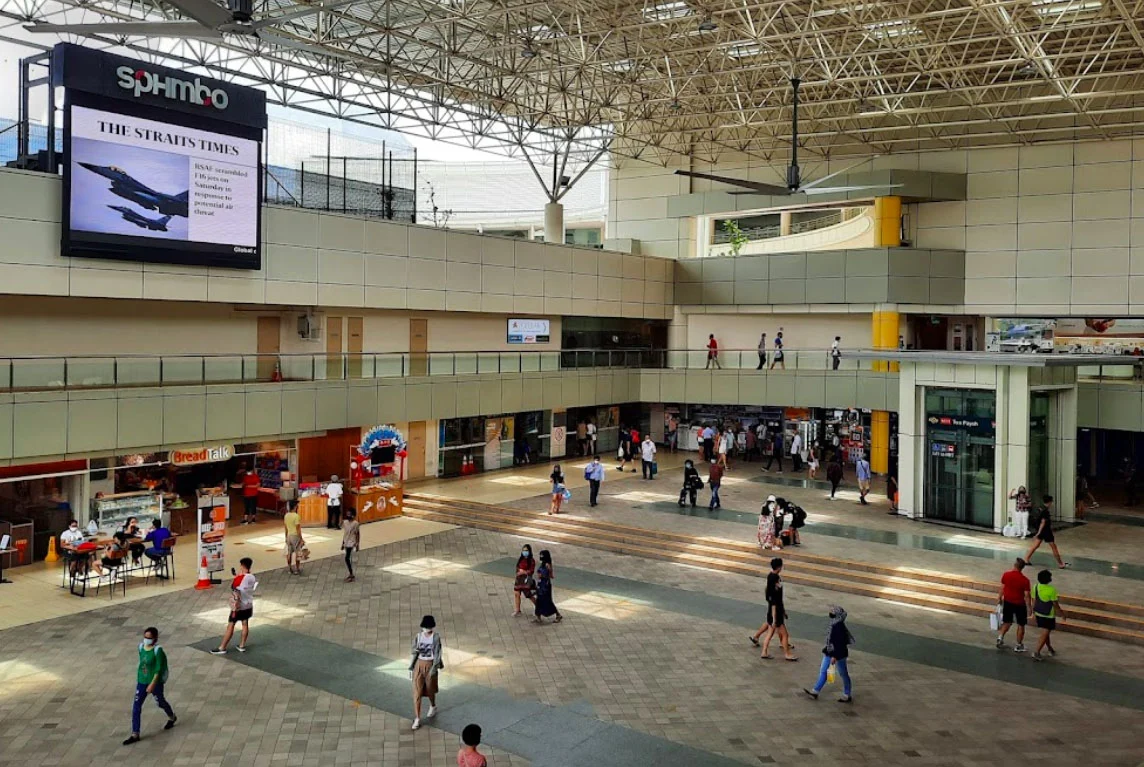
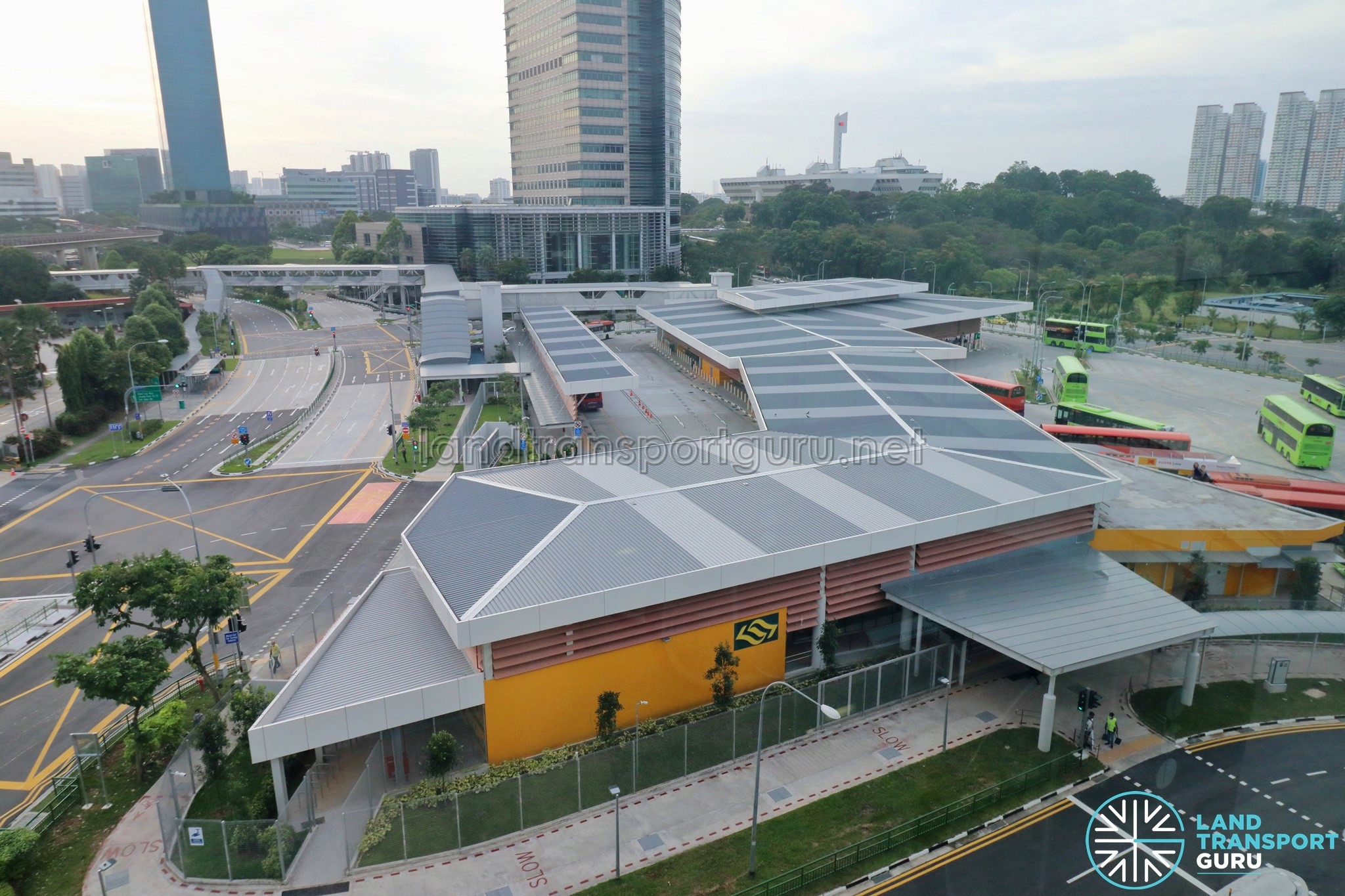
Jurong East Interchange is one of Singapore’s busiest and most important transport hubs. Located in the western region, it connects thousands of commuters daily through MRT services and bus routes.
The interchange serves as a gateway to shopping malls, business districts, healthcare facilities, and residential neighborhoods. In addition, future developments will further strengthen its role in Singapore’s transport network.
This guide explains the history, facilities, MRT connections, bus services, nearby attractions, and upcoming plans. Whether you are a resident, visitor, or daily commuter, understanding Jurong East Interchange can help you travel more efficiently.
History of Jurong East Interchange
Jurong East Interchange has evolved significantly over the years. The original bus interchange started operations in 1985 and became an important connection point for residents in western Singapore.
As Jurong developed into a regional center, passenger demand increased steadily. Consequently, authorities introduced temporary and interim interchange facilities to support redevelopment projects.
Today, Jurong East Interchange continues to serve commuters while preparations for the future integrated transport hub move forward.
Key milestones include:
- Original interchange opening in 1985.
- Temporary relocation in 2011.
- Interim interchange introduced in 2020.
- Future integrated transport hub planned for completion in the coming years.
The transformation reflects Singapore’s commitment to improving public transport infrastructure.
MRT Connectivity at Jurong East MRT Station
One of the biggest advantages of Jurong East Interchange is its excellent rail connectivity.
East-West Line Connection
The East-West Line links commuters to:
- City Hall
- Bugis
- Changi Airport area
- Boon Lay
- Pasir Ris
This line provides convenient access across Singapore.
North-South Line Connection
The North-South Line connects passengers to:
- Woodlands
- Orchard Road
- Ang Mo Kio
- Marina Bay
Because two major MRT lines intersect here, transfers are fast and efficient.
Future Jurong Region Line
The upcoming Jurong Region Line will further improve accessibility. Once operational, it will enhance travel between western districts and reduce congestion.
As a result, Jurong East Interchange will become an even more important transport node.
Bus Services Available at Jurong East Interchange
Another reason why Jurong East Interchange remains popular is its extensive bus network.
The interchange supports routes serving:
- Residential estates.
- Industrial areas.
- Educational institutions.
- Shopping districts.
- Healthcare facilities.
Passengers can easily continue their journeys after exiting the MRT station.
Benefits of the Bus Network
- Convenient transfers between train and bus.
- Reduced travel time.
- Better access to western Singapore.
- Reliable public transportation options.
The integrated design helps commuters avoid long walking distances and complicated transfers.
Facilities and Accessibility Features
Modern facilities make commuting easier and more comfortable.
Passenger Amenities
Visitors can enjoy:
- Covered walkways.
- Escalators and lifts.
- Wheelchair accessibility.
- Tactile guidance systems.
- Public toilets.
- Nearby taxi stands.
These features improve convenience for families, elderly passengers, and people with disabilities.
Seamless Pedestrian Access
Sheltered pathways connect the interchange with:
- JEM
- Westgate
- IMM
- Jurong Regional Library
- Ng Teng Fong General Hospital
Therefore, commuters can travel comfortably even during rainy weather.
Nearby Shopping and Lifestyle Destinations
One major advantage of Jurong East Interchange is its proximity to popular attractions.
JEM
JEM offers:
- Fashion stores.
- Restaurants.
- Supermarkets.
- Entertainment outlets.
Westgate
Westgate is popular among families because it provides:
- Children’s play areas.
- Dining options.
- Lifestyle shops.
- Medical clinics.
IMM Outlet Mall
IMM attracts bargain hunters with:
- Outlet stores.
- International brands.
- Furniture retailers.
Because these malls are located within walking distance, many commuters combine shopping with their daily travel.
Why Jurong East Interchange Is Important to Singapore
Jurong East serves more than just transportation needs.
It supports:
- Commercial activities.
- Regional economic growth.
- Residential communities.
- Healthcare accessibility.
- Tourism and recreation.
Moreover, Jurong is often described as Singapore’s second central business district. As development expands, transport demand will continue increasing.
Therefore, Jurong East Interchange plays a vital role in supporting western Singapore’s growth.
Future Developments and Integrated Transport Hub
The future integrated transport hub represents the next phase of development.
Expected Improvements
The new hub aims to provide:
- Better commuter experience.
- Air-conditioned facilities.
- Direct integration with MRT lines.
- Improved pedestrian connections.
- Enhanced passenger capacity.
These upgrades will make daily commuting smoother and more comfortable.
Long-Term Benefits
Future enhancements may lead to:
- Reduced congestion.
- Faster transfers.
- Greater accessibility.
- Improved commercial opportunities.
As Singapore continues to modernize its transport infrastructure, Jurong East Interchange will remain a strategic location.
Travel Tips for First-Time Visitors
If you are visiting for the first time, these tips can help:
Plan Your Route
Use MRT maps and bus information before traveling.
Avoid Peak Hours
Morning and evening rush periods can become crowded.
Explore Nearby Attractions
Take advantage of the close proximity to malls, libraries, and healthcare facilities.
Use Covered Walkways
Singapore’s weather can change quickly. Sheltered connections provide added convenience.
Following these suggestions can improve your overall travel experience.
Frequently Asked Questions
1. Where is Jurong East Interchange located?
Jurong East Interchange is located in western Singapore near Jurong East MRT Station.
2. Which MRT lines connect at Jurong East Interchange?
The interchange connects the East-West Line and the North-South Line.
3. Is Jurong East Interchange connected to shopping malls?
Yes. Jurong East Interchange is linked to JEM, Westgate, and IMM through pedestrian connections.
4. Will there be a new integrated transport hub?
Yes. Authorities are developing a future integrated transport hub to improve commuter convenience.
5. Why is Jurong East Interchange important?
Jurong East Interchange supports transportation, economic development, and connectivity for western Singapore.
Conclusion
Jurong East Interchange remains one of Singapore’s most significant transport hubs. Its combination of MRT connectivity, bus services, accessibility features, and nearby amenities makes it highly valuable for residents and visitors alike.
With upcoming infrastructure improvements, the interchange will continue supporting the growth of western Singapore. In addition, the future integrated transport hub promises a more comfortable and efficient commuting experience.
Whether you travel daily or visit occasionally, understanding Jurong East Interchange can help you make better travel decisions.
Start exploring the area today and enjoy the convenience offered by this important Singapore transport hub.