Hari Raya Haji is one of the most significant Islamic celebrations observed by Muslims around the world. Known as the Festival of Sacrifice, this special occasion commemorates the devotion, faith, and obedience of Prophet Ibrahim (AS) to Allah.
Every year, Muslims gather with family, friends, and communities to pray, reflect, and perform acts of charity. The celebration is closely linked to the annual pilgrimage of Hajj in Makkah, making it a deeply spiritual event for the global Muslim community.
In this guide, you will learn about the history, meaning, traditions, and modern celebrations of Hari Raya Haji. You will also discover how different communities observe this important Islamic festival while preserving its core values of sacrifice, compassion, and gratitude.
What Is Hari Raya Haji?
Hari Raya Haji is an Islamic festival celebrated on the 10th day of Dhul Hijjah, the final month of the Islamic calendar. It is also commonly known as Eid al-Adha.
The festival marks the willingness of Prophet Ibrahim (AS) to sacrifice his son as an act of obedience to Allah. Before the sacrifice could take place, Allah provided a ram to be sacrificed instead.
This event symbolizes:
- Complete faith in Allah
- Obedience to divine commands
- Selflessness and sacrifice
- Gratitude for Allah’s blessings
Today, Muslims commemorate this event through prayers, charitable acts, and the ritual sacrifice of livestock, known as Qurban.
The History Behind Hari Raya Haji
The origins of Hari Raya Haji date back thousands of years to the story of Prophet Ibrahim (AS).
According to Islamic teachings, Prophet Ibrahim received a command from Allah in a dream to sacrifice his beloved son. Although it was an extremely difficult test, both father and son submitted to Allah’s will.
At the moment of sacrifice, Allah replaced the son with a ram, rewarding Ibrahim’s faith and obedience.
This story teaches valuable lessons about:
- Trust in Allah
- Patience during hardship
- Submission to God’s guidance
- The importance of sincerity
As a result, Muslims continue to honor this event during Hari Raya Haji every year.
The Connection Between Hajj and Hari Raya Haji
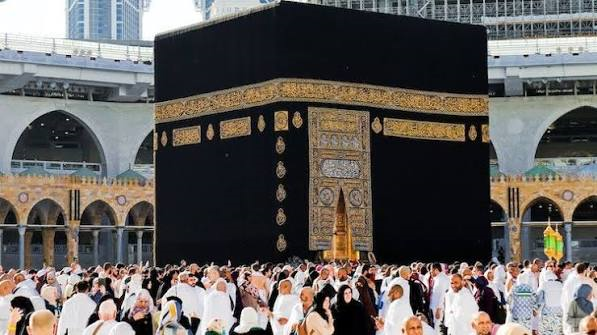
The celebration coincides with the completion of Hajj, one of the Five Pillars of Islam.
Millions of pilgrims travel to Makkah each year to perform sacred rituals. While pilgrims complete their journey, Muslims worldwide celebrate Hari Raya Haji through prayers and acts of worship.
This connection strengthens the sense of unity among Muslims across different countries and cultures.
Religious Significance of Hari Raya Haji
The importance of Hari Raya Haji extends beyond celebration. It serves as a reminder of essential Islamic values.
These values include:
- Faith and devotion
- Sacrifice for a greater purpose
- Generosity toward others
- Community solidarity
- Spiritual reflection
Muslims use this period to strengthen their relationship with Allah and focus on helping those in need.
In addition, the festival encourages believers to reflect on personal sacrifices and responsibilities in daily life.
Qurban: The Sacred Act of Sacrifice
One of the most recognized traditions of Hari Raya Haji is Qurban.
Qurban involves sacrificing an animal such as:
- Sheep
- Goat
- Cow
- Camel
The meat is then distributed according to Islamic guidelines.
Typically, the distribution includes:
- One portion for the family
- One portion for relatives and friends
- One portion for the poor and needy
This practice ensures that vulnerable communities can also enjoy nutritious meals during the celebration.
Why Qurban Matters
Qurban is not merely a ritual.
It represents:
- Obedience to Allah
- Compassion for others
- Social responsibility
- Sharing blessings with the community
Through Qurban, Muslims demonstrate gratitude while supporting those who may struggle financially.
How Muslims Celebrate Hari Raya Haji
Celebrations vary across regions, but several traditions remain common worldwide.
The day usually begins with special congregational prayers at mosques and open prayer grounds.
After prayers, families gather to:
- Exchange greetings
- Seek forgiveness
- Visit relatives
- Share meals
- Participate in Qurban activities
Many people also wear new or traditional clothing to mark the occasion.
The atmosphere is often filled with joy, gratitude, and community spirit.
Traditional Foods During the Festival
Food plays an important role in many celebrations.
Popular dishes may include:
- Rendang
- Satay
- Biryani
- Lamb curries
- Rice-based specialties
Different countries prepare unique recipes using Qurban meat while maintaining cultural traditions.
Hari Raya Haji Traditions Around the World
Although the religious foundation remains the same, cultural practices differ across regions.
Malaysia
In Malaysia, families attend prayers, perform Qurban, and participate in community gatherings. Mosques often organize large-scale sacrifice programs.
Singapore
Singapore celebrates the festival with family visits, charitable activities, and communal prayers. Community organizations frequently coordinate meat distribution programs.
Indonesia
As the world’s largest Muslim-majority country, Indonesia observes the festival with large prayer gatherings and widespread Qurban activities.
Middle East
Many Middle Eastern countries combine the celebration with public events, family feasts, and charitable outreach programs.
Despite cultural differences, the spirit of sacrifice and generosity remains central everywhere.
The Role of Charity During Hari Raya Haji
Charity is a key aspect of Hari Raya Haji.
Islam encourages helping the less fortunate throughout the year, but this festival places special emphasis on generosity.
Common charitable activities include:
- Donating food
- Supporting orphanages
- Assisting low-income families
- Funding Qurban programs
- Providing educational support
These actions help strengthen communities and promote social welfare.
Moreover, charity reflects the values demonstrated by Prophet Ibrahim (AS).
Lessons We Can Learn from Hari Raya Haji
The teachings associated with Hari Raya Haji remain relevant today.
Modern life often presents challenges that require patience, commitment, and sacrifice.
Important lessons include:
Faith and Trust
Believers are encouraged to trust Allah during both easy and difficult times.
Generosity
Sharing resources with others helps create stronger and more compassionate communities.
Gratitude
Recognizing blessings encourages positive attitudes and spiritual growth.
Responsibility
Every individual has a role in supporting family, society, and those in need.
These timeless values make the festival meaningful for Muslims of all ages.
Modern Celebrations and Digital Participation
Technology has changed how many families celebrate religious occasions.
Today, Muslims can:
- Participate in online Qurban programs
- Watch live Hajj broadcasts
- Send digital greetings
- Donate to charities online
- Connect with relatives through video calls
These developments make it easier for people to stay connected and contribute to charitable efforts regardless of location.
However, the core message of Hari Raya Haji remains unchanged: faith, sacrifice, and compassion.
Frequently Asked Questions About Hari Raya Haji
1. What is Hari Raya Haji?
Hari Raya Haji is an Islamic festival commemorating Prophet Ibrahim’s willingness to sacrifice his son in obedience to Allah. It is also known as Eid al-Adha.
2. Why is Hari Raya Haji important?
It highlights values such as faith, sacrifice, generosity, and devotion while strengthening community bonds.
3. What is Qurban during Hari Raya Haji?
Qurban is the ritual sacrifice of livestock, with the meat distributed among family members, friends, and people in need.
4. Is Hari Raya Haji connected to Hajj?
Yes. The festival occurs during the Hajj pilgrimage period and is closely linked to the completion of pilgrimage rituals in Makkah.
5. How do Muslims celebrate Hari Raya Haji?
Muslims celebrate through prayers, Qurban, family gatherings, charitable activities, and community events.
Conclusion
Hari Raya Haji is far more than a religious festival. It is a powerful reminder of faith, sacrifice, compassion, and gratitude. The story of Prophet Ibrahim (AS) continues to inspire millions of Muslims to strengthen their relationship with Allah and support those around them.
Through prayers, Qurban, charity, and family gatherings, Hari Raya Haji promotes unity and generosity across communities worldwide. Whether celebrated in Malaysia, Singapore, Indonesia, the Middle East, or elsewhere, the festival carries the same timeless message of obedience, kindness, and social responsibility.
As the world continues to evolve, the values behind Hari Raya Haji remain relevant and meaningful. Take time to reflect on these lessons and embrace opportunities to help others, strengthen community ties, and deepen your spiritual journey.